menu_book The Full Narrative
01
The Weaver and the Herd
In the myth, Zhinu wove the clouds of heaven; Niulang tended a faithful ox on earth. Their marriage was idyllic until the Queen Mother tore them apart. The stars themselves preserve the story: the bright stars Vega and Altair, on opposite sides of the Milky Way, are still known in China as Zhinu and Niulang.
02
The Bridge of Magpies
Every Qixi, magpies — the birds of joy — fly up to form a bridge across the Silver River. The lovers meet, and the heavens weep tears that fall as autumn rain. The legend is older than recorded history; it appears in the Book of Songs and was already ancient when the Han Dynasty codified the festival.
03
Qixi: The Festival of the Seventh Night
For centuries, Qixi was a festival of women — of needlework, fruit offerings, and prayers for skill and love. Young women would compete in threading needles by moonlight, asking Zhinu for dexterity and a good match. Today the seventh night of the seventh month is celebrated as Chinese Valentine's Day, a modern revival of an ancient romance.
04
A Poem That Fixed the Pair in the Sky
The Han-dynasty verse collection of Nineteen Old Poems gave the lovers their enduring lines, describing the Silver River so wide that not a word can cross it. Astronomers at the imperial court tracked Vega and Altair for calendar work, so the myth rode on real star charts. Poets ever after used Han-dynasty celestial poetry as the template for writing about separated lovers.
05
Needlework Contests Became an Industry
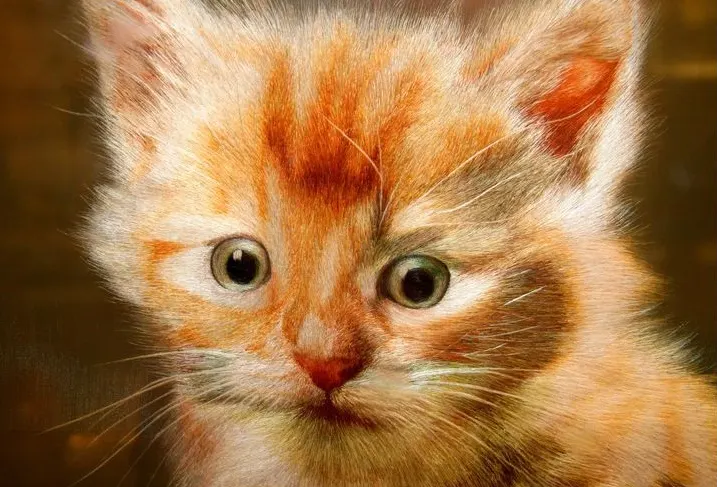
Qixi's needle-threading contests once doubled as a showcase for the embroidery trade, and Suzhou workshops timed their finest commissions to the festival season. Modern cities have rebuilt the custom into evening markets where contestants thread seven needles in one breath while wearing double-sided silk embroidery pieces displayed beside them. The skill Zhinu granted is now a registered heritage craft with its own apprenticeship line.
06
A Folk Date Becomes a Commerce Calendar
Qixi was rebranded as Chinese Valentine's Day in the 1990s, and the commercial rewrite succeeded where earlier revival attempts had stalled. Florists report February-level rose volumes each seventh month, jewelry chains launch magpie-bridge collections, and hotels sell the date out years running. Traditionalists objected that needlework contests for girls had been the point, not couples' dinners, and several county governments compromised by programming both: Xihe in Gansu runs its week-long qiqiao girls' rites beside municipal romance markets. The state formalized the dual identity in 2006 by listing Qixi in the first batch of national intangible heritage, defining it as the festival of love, skills, and women's crafts together. Scholars trace the marketing pivot to a 1993 Hangzhou campaign, making the rebrand barely thirty years old against two millennia of star worship. The Qixi festival calendar now carries both layers without contradiction.