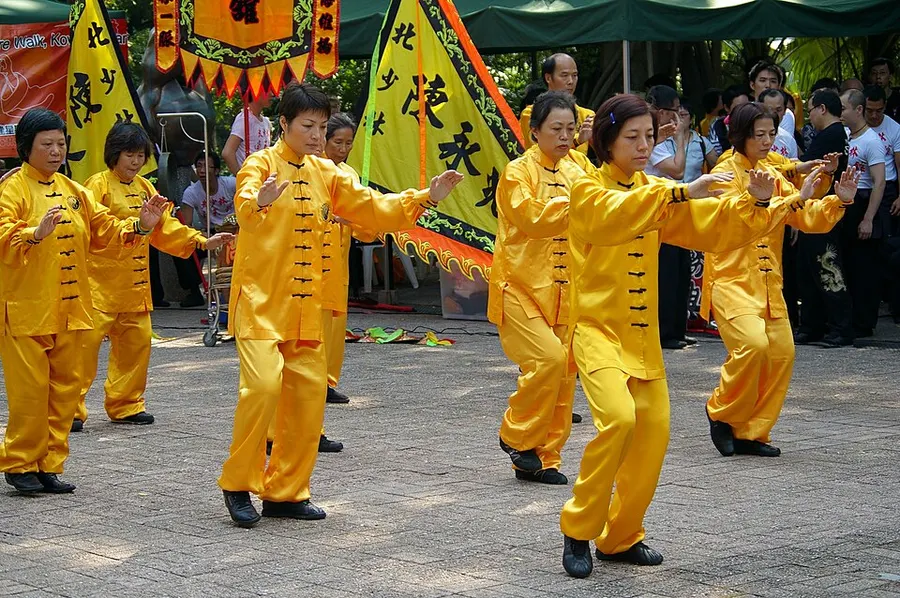
The cradle of Chinese civilization along the middle Yellow River, encompassing Henan and surrounding areas, where Xia, Shang, and Zhou dynasties originated.
3Heritage Traditions
0Living Masters
0Major Festivals
4Imperial Dynasties
expand_more
menu_bookIdentity & Origin
The 中原 Civilization
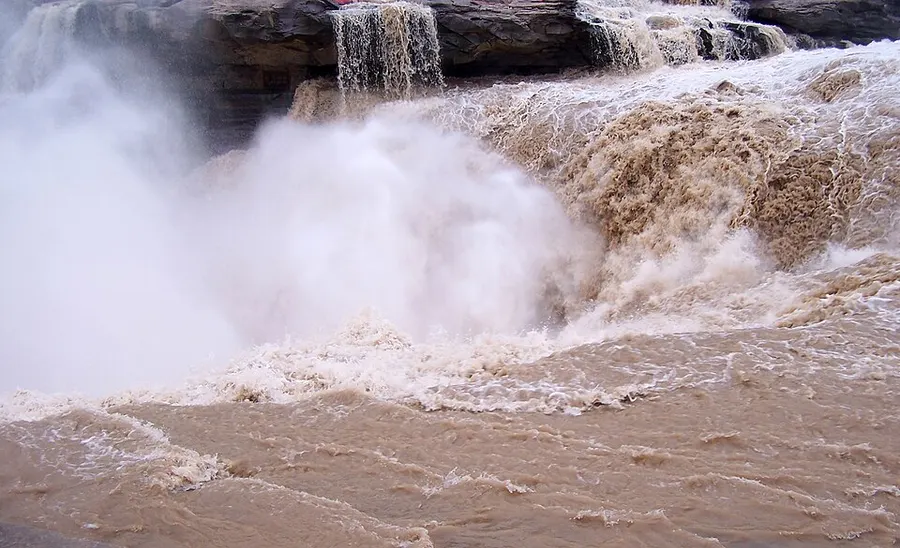
The cradle of Chinese civilization along the middle Yellow River, encompassing Henan and surrounding areas, where Xia, Shang, and Zhou dynasties originated.
For millennia, this region has been a crucible of Chinese civilization — shaping the arts, traditions, and cultural expressions that define the heritage of the nation. Its landscape, from mountain ranges to river valleys, has fostered distinct local practices that continue to thrive in the modern era through the dedication of master artisans, performers, and cultural custodians.
genetics
Region DNA
Key Traditions
Folk MusicOperaEmbroideryCeramicsTea CeremonyCalligraphy
Historical Dynasties
Tang Dynasty
Song Dynasty
Ming Dynasty
Qing Dynasty
Representative Crafts
Silk Weaving
Jade Carving
Bamboo Craft
Lacquerware
starsHeritage Constellation
Central Plains
music_note
Music
theater_comedy
Drama
handyman
Crafts
sports_martial_arts
Martial Arts
celebration
Festivals
timelineCivilization Timeline
The Historical Arc of Central Plains
Ancient Foundations
Pre-1000 BCE
Classical Formation
1000-221 BCE
Imperial Golden Age
221 BCE-960 CE
Late Imperial
960-1912 CE
Modern Preservation
1912-Present
self_improvementLiving Traditions
Heritage practices that continue to shape cultural life in Central Plains
The rhythm of life in Central Plains follows a seasonal wheel. Traditions are rituals performed in harmony with the arrival of spring rains or the first autumn frost. Each season brings a specific sensory palette — the scent of new tea, the sight of lotuses in classical ponds, the sound of bells in mountain temples.
01
Vernal Equinox
Harvesting the most prized Pre-Qingming tea buds.
02
Winter Solstice
Traditional family gatherings centered around rice wine and poetry.
mapCultural Geography
Central Plains Heartland
Cultural Core
34.80°N, 113.70°E
Geographic Center
Chenjiagou
陈家沟
Shaolin Temple
少林寺
Henan Province
河南省
"A landscape where mountains and rivers have shaped the cultural identity of a civilization."
The Central Plains (Zhongyuan) of the middle Yellow River are where Chinese written history begins. The Erlitou site near Yanshi, dated about 1750 BCE, is the leading candidate for the Xia capital described in later chronicles, while Anyang’s Yinxu ruins — capital of the late Shang from roughly 1300 BCE — yielded some 150,000 inscribed oracle bones that constitute the earliest systematic Chinese writing. Farmers here still work loess terraces above sites where bronze casting, chariot burial, and ancestor worship took their canonical forms.
Political gravity stayed anchored in the Plains for three millennia. Luoyang served as capital to thirteen dynasties, Kaifeng’s Northern Song population passed one million around 1100 as depicted in the scroll "Along the River During Qingming," and Dengfeng’s Shaolin Monastery, founded in 495 CE, turned this heartland into the reference point for Chinese martial arts. The 1899 rediscovery of oracle bones by scholar Wang Yirong converted the Plains’ buried archives into modern historiography, and Yinxu entered the UNESCO list in 2006 as documentary evidence of a civilization whose script never broke continuity.
handyman
Pillars of the Central Plains
01
Cradle of Chinese writing
Oracle-bone divination at Anyang fixed the character system; modern Chinese script descends directly from these 3,300-year-old inscriptions.
02
Imperial capital corridor
Luoyang, Kaifeng, and Anyang together logged more continuous years as capitals than any other region, leaving pagodas, city walls, and museum-scale tomb finds.
03
Martial heartland
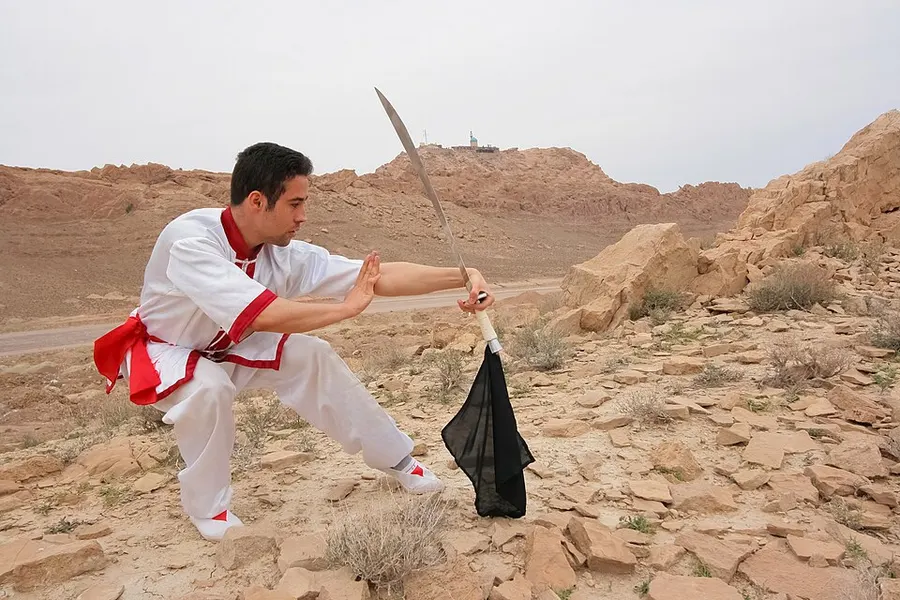
Shaolin monastery codified Chan Buddhism with combat training from the Tang era onward, making Dengfeng a living training ground rather than a monument.
04
Wheat-based foodways
Loess plateau agriculture favoured wheat over rice, producing steamed buns, hand-pulled noodles, and dumpling traditions central to northern festival tables.
contact_support
Common Questions
Why is the Central Plains called the cradle of Chinese civilization?add
Because statehood, urbanism, and writing all appear there first: Erlitou palaces about 1750 BCE, Shang bronze capitals at Zhengzhou and Anyang, and the oracle-bone script that evolved into today’s characters. Later dynasties kept returning their capitals to the same loess corridor.
What was found at Yinxu?add
Excavations from 1928 onward uncovered palace foundations, royal tombs, bronze workshops, and the oracle-bone archive of the late Shang dynasty. The inscriptions record royal divinations on war, harvest, and sacrifice, enabling direct verification of traditional chronology.
Is Shaolin still an active training centre?add
Yes. Several schools around Dengfeng enrol tens of thousands of students yearly, teaching wushu alongside Buddhist practice. Performance troupes tour globally, but the core curriculum remains monastic forms transmitted since the Tang dynasty.
smart_display
Watch & Learn
Oral Tradition
Stories & Legends
Narratives from the atlas graph that share origins, practitioners, or settings with this topic.