Northeast China
东北
The three northeastern provinces of Heilongjiang, Jilin, and Liaoning, known for shamanic traditions, Hezhen storytelling, and distinctive winter folk arts.
The 东北 Civilization
The three northeastern provinces of Heilongjiang, Jilin, and Liaoning, known for shamanic traditions, Hezhen storytelling, and distinctive winter folk arts.
For millennia, this region has been a crucible of Chinese civilization — shaping the arts, traditions, and cultural expressions that define the heritage of the nation. Its landscape, from mountain ranges to river valleys, has fostered distinct local practices that continue to thrive in the modern era through the dedication of master artisans, performers, and cultural custodians.
Region DNA
- Silk Weaving
- Jade Carving
- Bamboo Craft
- Lacquerware
The Historical Arc of Northeast China
Pre-1000 BCE
1000-221 BCE
221 BCE-960 CE
960-1912 CE
1912-Present
Heritage practices that continue to shape cultural life in Northeast China
Masters of Northeast China
View ArchiveNo master inheritors recorded for this region. Browse all masters
Seasonal Life in 东北
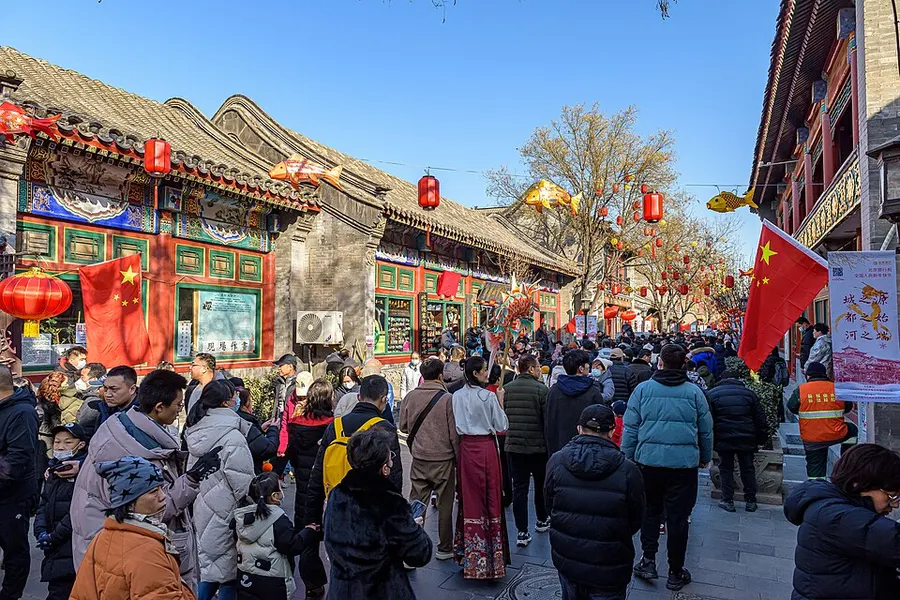
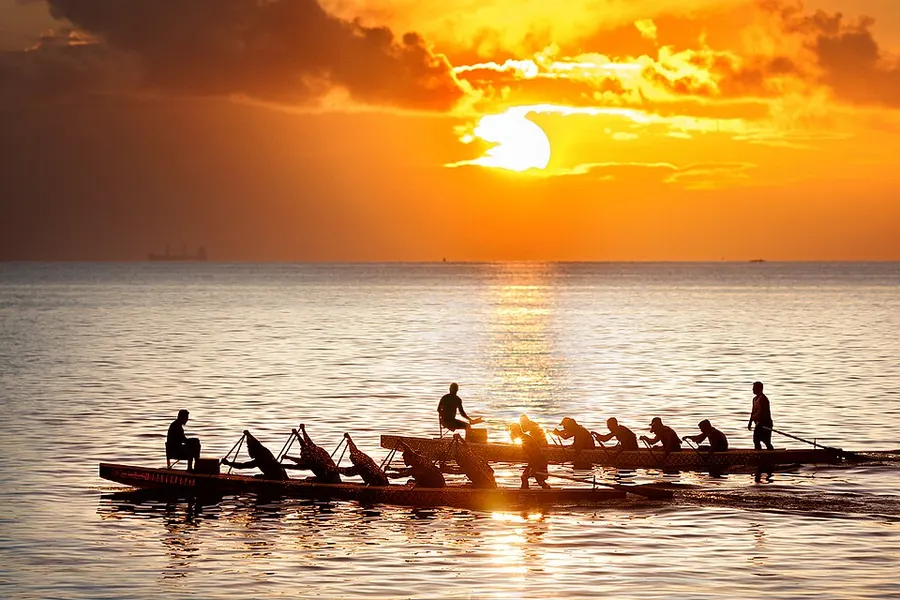
The rhythm of life in Northeast China follows a seasonal wheel. Traditions are rituals performed in harmony with the arrival of spring rains or the first autumn frost. Each season brings a specific sensory palette — the scent of new tea, the sight of lotuses in classical ponds, the sound of bells in mountain temples.
Vernal Equinox
Harvesting the most prized Pre-Qingming tea buds.
Winter Solstice
Traditional family gatherings centered around rice wine and poetry.
Northeast China Heartland
Cultural Core
45.00°N, 127.00°E
Geographic Center
Heilongjiang Province
黑龙江省
"A landscape where mountains and rivers have shaped the cultural identity of a civilization."
Connected Regions
History & Development
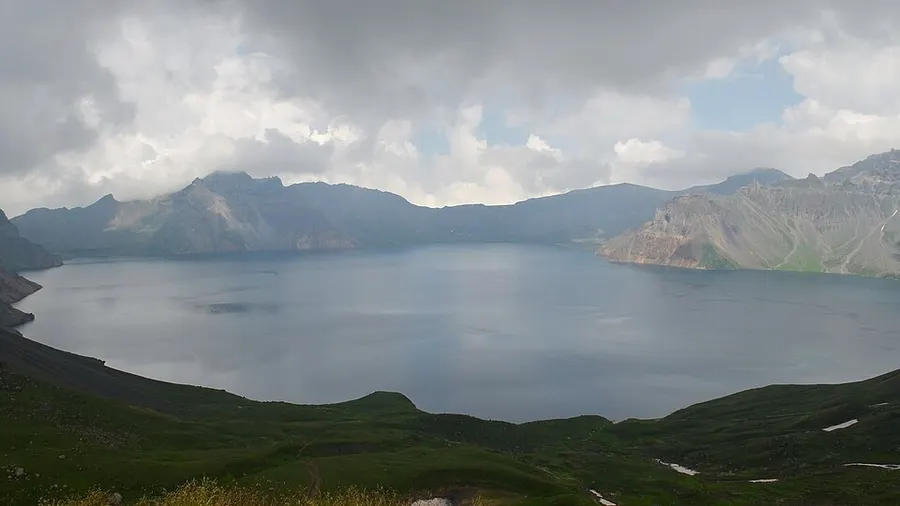
Northeast China — Heilongjiang, Jilin, Liaoning — spreads black-earth plains between the Greater Khingan range and the Changbai Mountains, a frontier that repeatedly exported conquerors and imported settlers. Manchu founders rose here in the seventeenth century to rule China as the Qing; conversely, waves of famine-driven migration from Shandong and Hebei after 1860 brought perhaps thirty million settlers, turning forest and steppe into China’s granary of soybeans and spring wheat within two generations.
Cold forged the folk arts. Hezhen fishermen on the Amur River kept their epic-singing tradition yimakan alive in near-isolation until UNESCO placed it on the urgent-safeguarding list in 2011; Manchu shamanic rites, paper-cutting motifs, and qipao tailoring entered the national heritage canon from these forests. Twentieth-century industry added its own folklore — Harbin’s Russian-influenced ice lantern displays began in 1963 as park decorations and now anchor a winter tourism economy drawing millions, while errenzhou comedy duets tour village stages year-round.
Frontier Folkways
- 01
Black-soil grain belt
Deep mollisol plains yield China’s largest commercial rice and soybean harvests; mechanised state farms date to the 1950s reclamation corps.
- 02
Manchu and shamanic memory
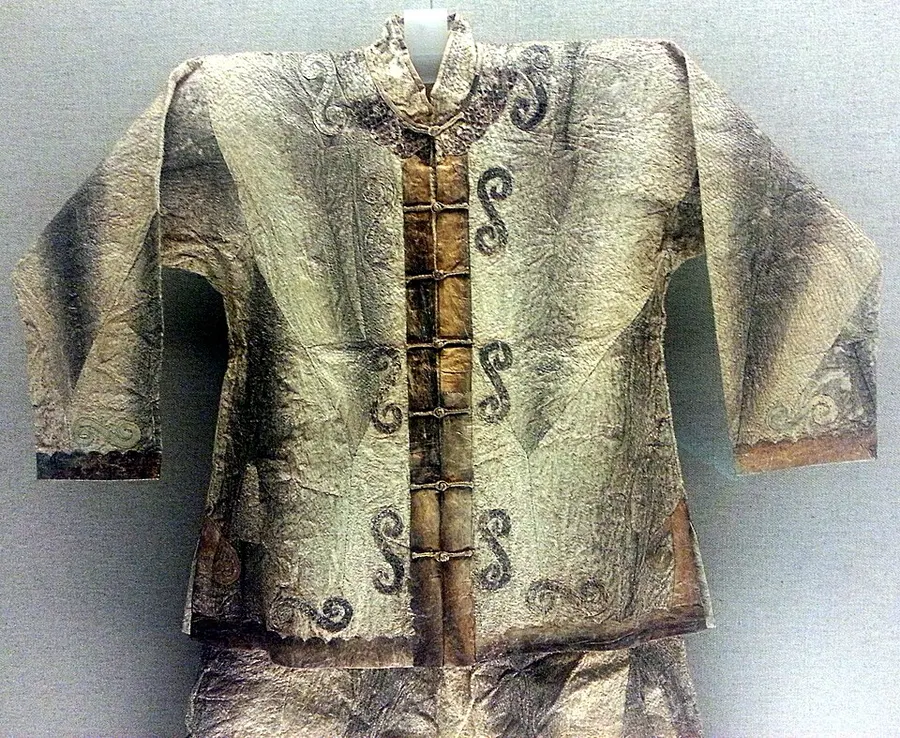
Clan genealogies, ritual drums, and embroidered robes preserved in Aihun and Jilin museums document the Qing homeland’s pre-conquest religion.
- 03
Amur river epics
Hezhen narrators perform yimakan without instruments, switching voices between heroes and animals across multi-night episodes.
- 04
Ice festival culture
Harbin carves river ice into architecture each January; night illumination turns blocks into palaces, a tradition expanded from modest 1963 park lanterns.
Common Questions
Why is Northeast China called the "Great Northern Wilderness"?
Early maps labelled the underpopulated swampland Beidahuang. After 1948 demobilised soldiers and migrant youth drained marshes into the Beidacang grain base, flipping the slogan into "Great Northern Granary" within decades.
Who performs yimakan today?
Only a handful of elderly master singers among the Hezhen minority remain fluent in the episodic formula language; state-funded apprenticeships in Tongjiang county record and teach the repertoire. UNESCO’s 2011 listing classifies it as needing urgent safeguarding — background in our Hezhen profile.
What food defines the Northeast?
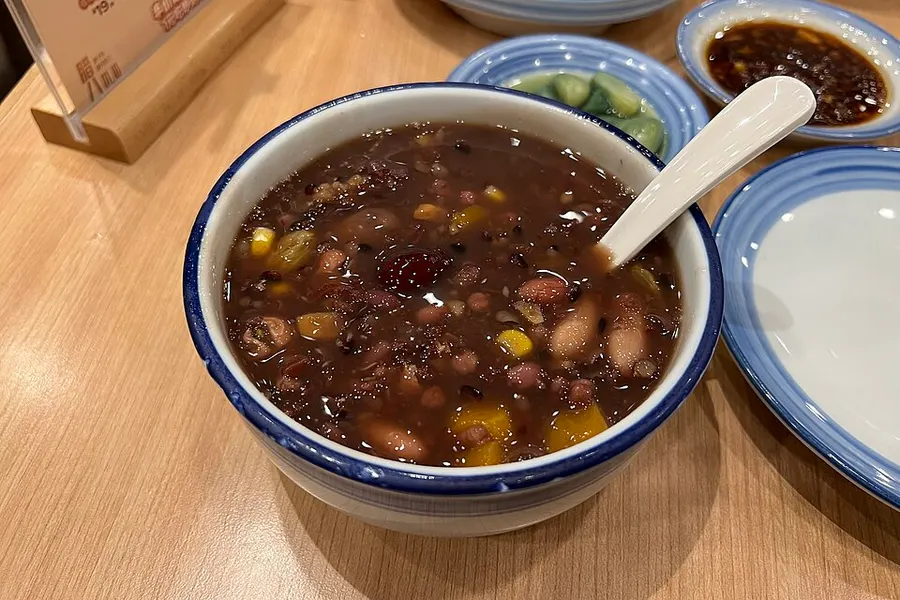
Pickled cabbage dumplings, stewed pork with vermicelli, cornmeal congee, and Sorghum liquor reflect both cold-climate storage needs and Shandong settler cooking. Moscow’s legacy survives in Harbin red sausage and kvass sold beside borscht on Central Street.