Traditional Crafts
Shanghai, East China
Shang Dynasty (1600–1046 BCE)
Representative List
Master-Apprentice (Hands-on)
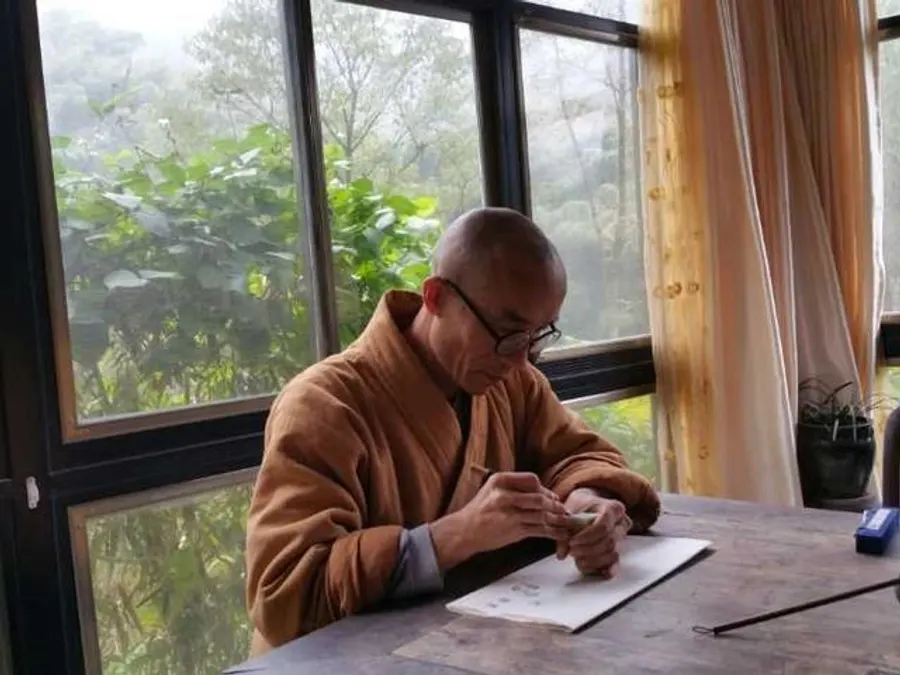
Chinese Seal Engraving
Chinese Seal Engraving
"The art of carving characters into stone seals — a miniature art form combining calligraphy, composition, and sculpture."
CIVILIZATION CONTEXT
This artifact is part of the Intangible Heritage Cluster. It connects to 7 entities across the atlas, spanning 1 region, 1 master, 0 festivals, and 1 skill.
Chinese Seal Engraving: A Living Heritage
Chinese seal engraving (zhuanke) is the art of carving characters into stone seals used for signing documents and artworks. It originated over 3,000 years ago and became an essential art form for scholars, alongside calligraphy and painting. The engraver must master various ancient script styles and compose a balanced design within a small space. Each seal is both a functional signature and a miniature work of art.
3072+
Years of Unbroken Lineage
1
Related Cultural Vectors
History & Development
Seal engraving is writing turned miniature, authority compressed into stone. Seals legitimated documents from the Qin unification onward, their seal-script characters cut in intaglio or relief to stamp vermillion paste, and by the Ming dynasty scholar-artists began carving their own names, turning bureaucratic tool into literati art. The Zunyin ji anthology of 1580s Suzhou collected early master prints, and the Qing schools of Zhejiang and Anhui codified blade techniques still taught today.
The art's canon rests on four treasures plus stone. Soapstone from Shoushan, Qingtian, and Changhua gave carvers soft, even materials responsive to single-stroke decisions, and masters like Wu Changshuo showed how calligraphy, composition, and blade work fuse in a space of square centimetres. UNESCO inscribed the art of seal engraving on the Representative List in 2009, citing exactly this literati continuity that grew from the 1580s Suzhou anthologies; contemporary engravers still study Han stamp impressions as their grammar.
How It Is Made
- 01
Designing the layout
Characters are drafted mirror-reversed on paper, balanced for red-and-white mass before any stone is touched.
- 02
Dressing the stone
The seal face is ground flat on sandpaper; sides get ink guidelines for margins and columns.
- 03
Cutting the strokes
Flat-blade knives push or twist through soapstone in single decisive passes; hesitation shows forever in print.
- 04
Printing and correcting
Vermillion proofs reveal flaws; masters re-cut, reprint, and sometimes leave deliberate breaks that give the impression life.
Common Questions
Why are seals still used?
Contracts, art, and official papers across East Asia remain seal-valid, and painters finish works with name seals as artists have for centuries, following conventions documented since the Qin unification.
What stone should a beginner buy?
Qingtian soapstone grades are soft, even, and affordable, ideal for practising the single-pass cuts described in our calligraphy entry.
Intaglio or relief?
Zhuwen (red characters) seals carve away background, baiwen (white characters) carve the strokes; many masters pair one of each on a single artwork.
Watch & Learn
Stories & Legends
Spring Festival: A Civilization 4000 Years in the Making
historicalEvery year, a quarter of humanity pauses to celebrate the oldest continuous festival in human history.
Skills & Techniques
Chinese Seal Engraving expand_more
The art of carving Chinese characters into stone seals, combining calligraphy, composition, and sculpture.
Steps
- Select and prepare the stone (soapstone, balin stone, or shoushan stone)
- Polish the seal surface smooth
- Design the character layout in mirror image (required for stamps)
- Write the design directly on the stone or transfer from paper
- Carve with engraving knives — cutting away background or characters
- Test-print with red ink paste and refine as needed
- Seal the finished surface with wax
Tools
flat knife, round knife, triangular knife, file, calligraphy brush, ink pad
Materials
seal stone (shoushan, balin, qingtian), red ink paste (zhusha), xuan paper, sandpaper
Related Places
Generations Preserved
Zhu Chenhao
Zhu Chenhao is a master of Chinese seal engraving (zhuanke) from Shanghai. He studied the ancient script styles of oracle bone, bronze, and seal scripts for decades before developing his distinctive c...
Relationship Constellation
Tracing the invisible threads that connect Chinese Seal Engraving to the broader civilization ecosystem.
Continue the Journey
Chinese Seal Engraving
Traditional Crafts
Huishan Clay Sculpture
Traditional Crafts
arrow_forwardSuzhou Pingtan
Quyi
arrow_forwardChinese Lacquer Art
Traditional Crafts
arrow_forward