Traditional Crafts
Wuxi, East China
Ming Dynasty (1368–1644 CE)
National Heritage
Master-Apprentice (Hands-on)
Oral Tradition
Huishan Clay Sculpture
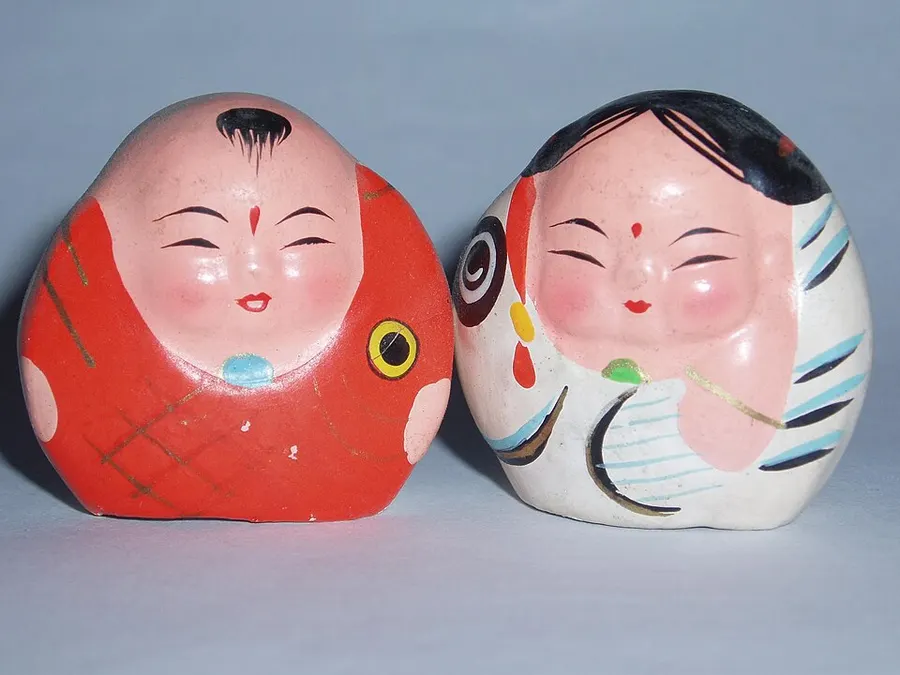
"Playful clay figurines from Wuxi, famous for the smiling "Da Afu" (Big Lucky Boy) — a symbol of joy and good fortune."
CIVILIZATION CONTEXT
This artifact is part of the Intangible Heritage Cluster. It connects to 5 entities across the atlas, spanning 1 region, 0 masters, 0 festivals, and 0 skills.
Huishan Clay Sculpture: A Living Heritage
Huishan clay sculpture from Wuxi, Jiangsu, is a folk art specializing in figurines made from the dark, fine-grained clay of Huishan Hill. The most famous subject is "Da Afu" (Big Lucky Boy), a chubby, smiling child symbolizing good fortune. The process involves kneading, molding, drying, and hand-painting with bright colors. The sculptures range from miniature toys to elaborate theatrical scenes.
382+
Years of Unbroken Lineage
0
Related Cultural Vectors
History & Development
Huishan clay figurines come from a hillside in Wuxi whose black clay sculpts like memory. Makers quarry clay from the northeast slope of Huishan, knead it with cotton and flour paste, and model figures ranging from thumb-sized "coarse" toys sold at temple fairs to "fine" cabinet pieces assembled from parts, painted, and fired. The trade is documented from the Ming dynasty, when Huishan temple fairs drew boatloads of buyers, and the eighteenth-century court bought figurines that still sit in palace storerooms.
The repertoire crystallised around beloved types. The plump A Fu child, opera scenes from Kunqu and Peking drama, and comic pairs like the "Silkworm Cat" fixed the school's identity, with painting counted half the craft, brush lines deciding expression more than modelling. Huishan figurines entered the national inventory's 2006 first batch, and workshops beside the Grand Canal route in Wuxi keep kilns running, their display rooms pairing Qing-era antiques with new pairs of A Fu painted that morning.
How It Is Made
- 01
Processing the clay
Black hillside clay is dried, sieved, pounded with cotton and glue, and rested until it takes detail without cracking.
- 02
Modelling in two registers
Coarse toys are squeezed whole from one lump; fine pieces cast parts separately for assembly, allowing opera poses.
- 03
Firing the blanks
Low kilns set the figure firm while keeping the surface receptive to mineral paints.
- 04
Painting the soul
Artisans paint in stages from white base to pupil-final dot; a single eyebrow stroke sets comedy or pathos.
Common Questions
Who is A Fu?
The chubby guardian child who hugs lion or fish motifs, Huishan's mascot for four centuries and a staple gift at New Year, as our New Year monster story explains.
Why is painting called half the craft?
Local saying holds "three parts modelling, seven parts painting," because pigment lines decide expression on figures otherwise identical.
Where can I watch makers work?
The Huishan ancient town studios in Wuxi open workshops to visitors, and the nearby museum displays trace Ming fair-toys to state-gift editions.
Watch & Learn
Stories & Legends
The Porcelain Road: Jingdezhen and the World
historicalA remote town in Jiangxi produced the finest ceramics the world had ever seen for over a thousand years.
Related Places
Relationship Constellation
Tracing the invisible threads that connect Huishan Clay Sculpture to the broader civilization ecosystem.
Continue the Journey
Huishan Clay Sculpture
Traditional Crafts
Suzhou Pingtan
Quyi
arrow_forwardCross-Talk (Xiangsheng)
Quyi
arrow_forwardChinese Seal Engraving
Traditional Crafts
arrow_forward