明朝
Ming Dynasty
Dynastic Timeline
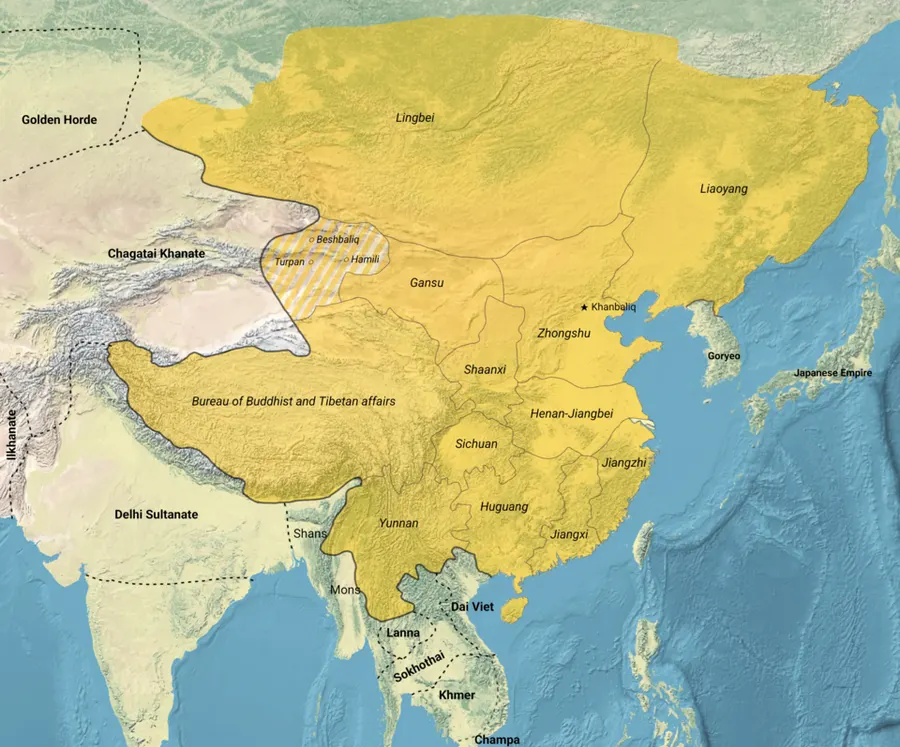
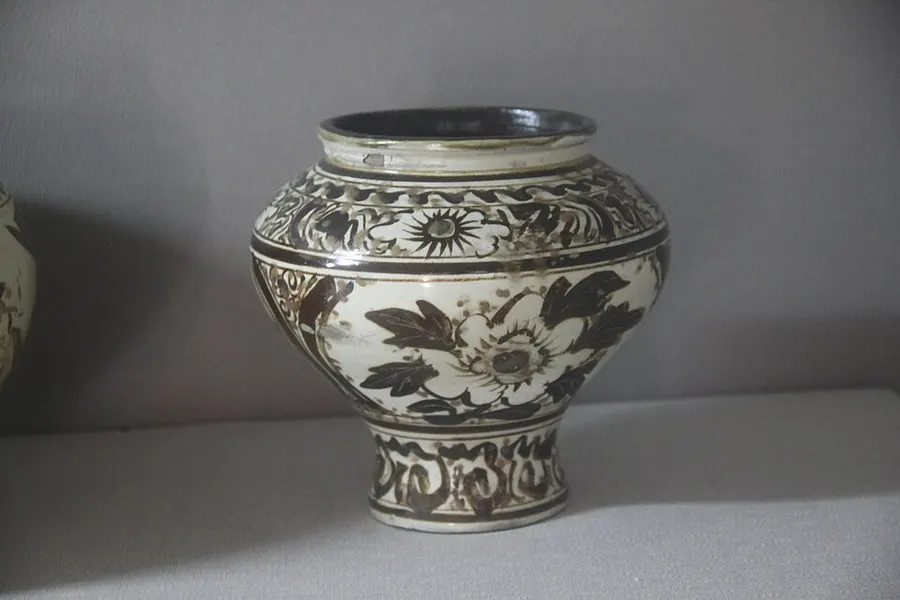
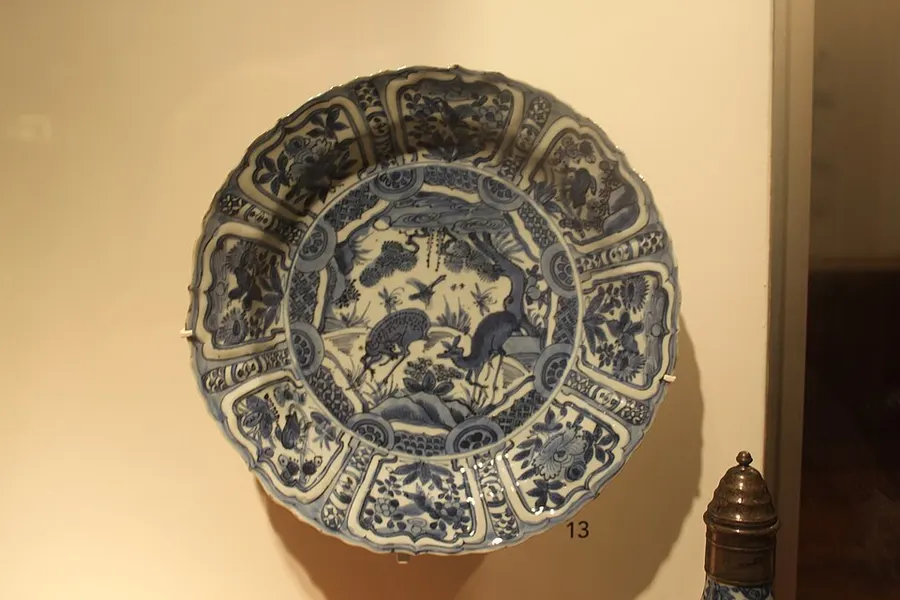
A native Chinese dynasty that reasserted Han rule after the Mongol Yuan, known for maritime exploration under Zheng He, the construction of the Forbidden City, and vibrant blue-and-white porcelain.
The cultural innovations and artistic achievements of this era continue to influence Chinese heritage traditions practiced today — from music and opera to crafts and martial arts. Understanding the Ming Dynasty is essential to understanding the deep roots of China's intangible cultural heritage.
Civilization Profile
An Era of Creation
Arts & Aesthetics
Distinctive artistic styles that defined the era
Literature & Philosophy
Foundational texts and schools of thought
Science & Innovation
Technological and scientific advances
Anchors of Empire
Chang'an
The world's first true metropolis and the pulse of the dynasty.
Dunhuang
The spiritual gateway where East met West in stone and light.
The Knowledge Network
“The arts flourished under imperial patronage, with master craftsmen refining their techniques to unprecedented levels of sophistication.”
Court Historian Imperial Records“The innovations of this era laid the foundation for cultural practices that continue to define Chinese identity today.”
Contemporary Scholar Cultural HeritageFoundation
Consolidation of cultural institutions and imperial patronage
Golden Age
Peak of artistic, intellectual, and commercial achievement
Enduring Legacy
Enduring influence on Chinese heritage traditions today
明朝 Pulse in the Modern Day
The Ming Dynasty left an indelible mark on Chinese civilization. Its contributions to art, philosophy, technology, and governance continue to resonate in the heritage practices preserved by communities across China today — a testament to the enduring power of cultural memory.
Explore the AtlasHistory & Development
Between 1405 and 1433 the admiral Zheng He led seven expeditions of up to 27,000 men and scores of treasure ships to Southeast Asia, India, Arabia, and East Africa — decades before Portuguese rounding of the Cape.
Domestically the dynasty built in proportion. Beijing's Forbidden City rose between 1406 and 1420 on a 96-hectare axis, the Yongle Encyclopedia gathered 11,095 manuscript volumes, and Nanjing's imperial brocade looms clothed the court in cloud-pattern damask.
Cultural Traditions
-
Treasure Fleets
Star-chart navigation, watertight compartments, and diplomatic gift cargo projected soft power across the Indian Ocean.
-
Imperial Urban Axis
The Beijing central axis aligned gates, halls, and altars — added to the World Heritage list in 2024.
-
Court Textile Workshops
Nanjing looms wove gold-thread brocade at metres per day for robes, banners, and trade.
Common Questions
Why end the voyages?
Confucian ministries argued defence against Mongol raids deserved the treasury; yard records were destroyed and ocean policy reversed.
Can visitors see Ming weaving?
Yes. Nanjing Yunjin brocade weaving, UNESCO-listed in 2009, still runs giant drawlooms in working museums.