清朝
Qing Dynasty
Dynastic Timeline
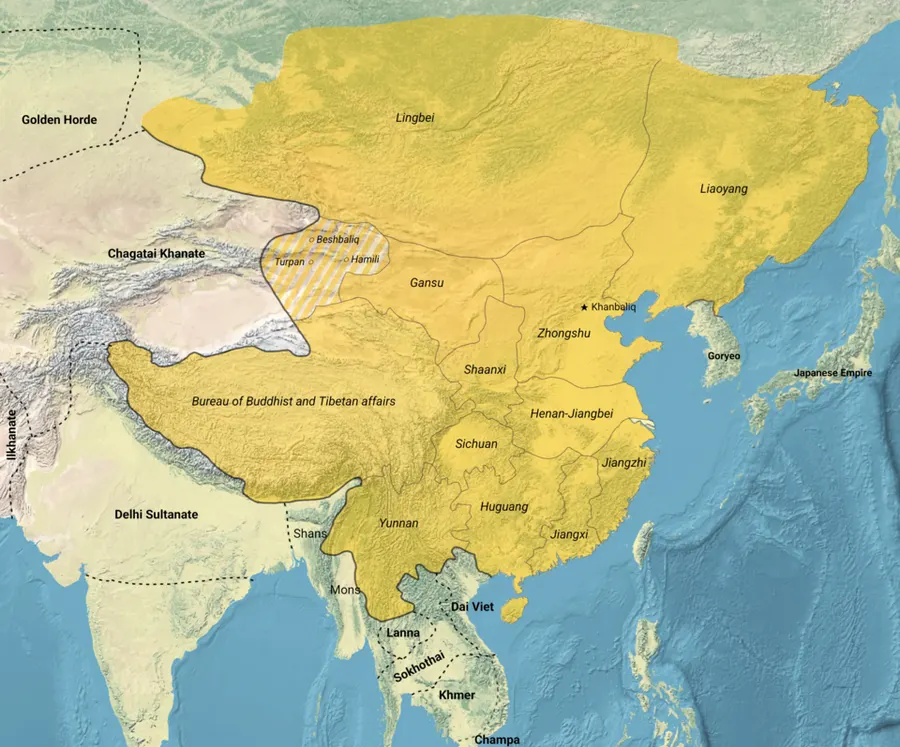
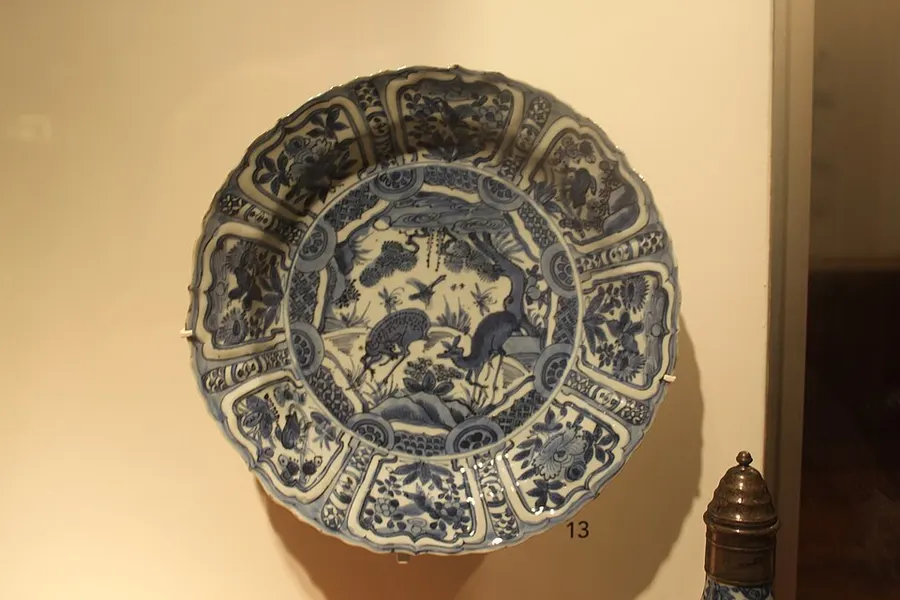
The last imperial dynasty of China, established by the Manchu people, which expanded China to its greatest territorial extent before transitioning to the modern republic.
The cultural innovations and artistic achievements of this era continue to influence Chinese heritage traditions practiced today — from music and opera to crafts and martial arts. Understanding the Qing Dynasty is essential to understanding the deep roots of China's intangible cultural heritage.
Civilization Profile
An Era of Creation
Arts & Aesthetics
Distinctive artistic styles that defined the era
Literature & Philosophy
Foundational texts and schools of thought
Science & Innovation
Technological and scientific advances
Anchors of Empire
Chang'an
The world's first true metropolis and the pulse of the dynasty.
Dunhuang
The spiritual gateway where East met West in stone and light.
The Knowledge Network
“The arts flourished under imperial patronage, with master craftsmen refining their techniques to unprecedented levels of sophistication.”
Court Historian Imperial Records“The innovations of this era laid the foundation for cultural practices that continue to define Chinese identity today.”
Contemporary Scholar Cultural HeritageFoundation
Consolidation of cultural institutions and imperial patronage
Golden Age
Peak of artistic, intellectual, and commercial achievement
Enduring Legacy
Enduring influence on Chinese heritage traditions today
清朝 Pulse in the Modern Day
The Qing Dynasty left an indelible mark on Chinese civilization. Its contributions to art, philosophy, technology, and governance continue to resonate in the heritage practices preserved by communities across China today — a testament to the enduring power of cultural memory.
Explore the AtlasHistory & Development
The High Qing of Kangxi and Qianlong doubled the empire's territory and population, ruling Tibet, Xinjiang, and Mongolia through resident officials and banner garrisons while sponsoring monumental scholarship.
The Siku Quanshu commission of the 1770s copied roughly 36,000 works into seven library sets, the largest editorial project of the age. Popular stage culture peaked alongside it: in 1790 anniversary troupes from Anhui entered Beijing, fusing with local styles into Peking Opera.
Cultural Traditions
-
High Qing Scholarship
Textual criticism, dictionaries, and collation projects turned antiquarianism into rigorous philology.
-
Banner Institution
Hereditary Manchu-Mongol-Han banners balanced garrison control against civilian bureaucracy.
-
Opera Synthesis
Regional melodies merged at court into a national stage idiom with codified role types.
Common Questions
How is Qing theatre remembered today?
Peking Opera, born from the 1790 Anhui visit, remains China's national stage art with state academies training child performers.
What ended the dynasty?
Opium defeats, Taiping civil war, and 1911 revolution closed two millennia of imperial rule; the last emperor abdicated in 1912.