Niche Heritage Site · Shanxi
Yungang Grottoes
A Northern Wei cave complex outside Datong where the numbered caves — not a single monument — carry the story. Here are the caves worth reading in order, the dates behind them, and how to reach the site.
Affiliate link · we may earn a commission
Before You Go
Is Yungang right for this trip?
Yungang rewards readers who want to understand how Buddhist sculpture changed as it moved into China. The caves are numbered and best read in sequence — this is not a single stop you can finish in an hour.
Good fit
- A numbered cave sequence you can read in chronological layers
- Northern Wei history — the dynasty that carved the caves
- The early "Yungang style" that influenced later grottoes
- An easy day trip from Datong, or a long day from Beijing
- Visitors interested in how Indian and Central Asian Buddhist art became Chinese
Consider elsewhere
- A single monument you can see on a short stop
- Painted murals — Dunhuang is the mural site, Yungang is carved stone
- A nightlife or coastal itinerary
- Visitors wanting live ticket prices — we do not hold them here
The Yungang Grottoes sit at the southern foot of Wuzhou Mountain, about 16 km west of Datong in Shanxi. Carving began under the Northern Wei in the fifth century — the Shanxi cultural-heritage authority gives a start date of 453 CE, with most work finished before the court moved to Luoyang in 494. The site was inscribed on the UNESCO World Heritage List in December 2001 and is listed in the national 5A scenic-area register (admitted 2007).
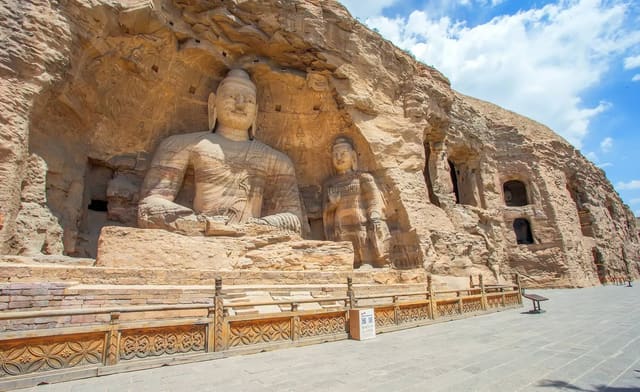
What you see is carved stone, not painted murals. The authority counts 45 main caves, 252 niches and more than 51,000 stone sculptures, ranging from a 17-metre seated Buddha to figures only a few centimetres tall. The caves are conventionally numbered, and that numbering is the clearest way to read the site: the early Tanyao Five Caves (16–20), the ornate middle-period caves, and the smaller, slimmer late-period figures.
Yungang also became a reference point for later Chinese Buddhist art. The "Yungang model" shaped northern Wei sculpture at Longmen and elsewhere — which is why the cave numbers matter more here than a single hero image. This page follows the numbered caves, then covers the dates and the practical question people ask most: how to get there.
What You See
A site you can read in layers
The wall, the bank, the temple sculpture and the lacquer workshop — each adds a period of the story. This is what a day here is made of.
More reading routes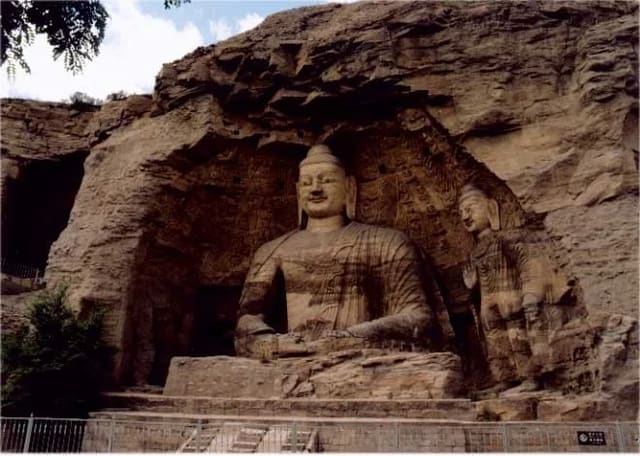
-
Cave 05 · The largest
Cave 5 — the 17-metre Buddha
A five-bay, four-storey wooden facade (rebuilt in 1651) fronts this cave. Inside sits a 17-metre seated Buddha, the largest sculpture at Yungang, surrounded by smaller figures. This is the strongest single search signal for the site, so it is the first cave to read.
-
Cave 06 · The narrative
Cave 6 — the pagoda pillar
A two-storey, 15-metre stone pillar rises from the floor to the ceiling, carved with figures on every face. The walls and pillar carry scenes from the life of the Buddha, making this the most narrative of the major caves.
Yungang’s cave sculpture combines carved pillars, figures and narrative relief. -
Cave 16–20 · The earliest
The Tanyao Five Caves
The five earliest caves, commissioned under the Northern Wei. Cave 20 holds the open-air seated Buddha that has become the emblem of Yungang; its front wall collapsed, leaving the figure exposed. The other four carry the monumental early style in varying states of preservation.
Registry-backed fact
-
Cave 03 & later · The range
Later caves and the "slender" style
Cave 3 is the largest at Yungang and is judged by the heritage authority to be a Sui–Tang work. The late Northern Wei caves are smaller, with slim, proportioned figures — the source of the "slender and bony" style that spread across northern China.
-
Getting there
From Datong, and from Beijing
The grottoes are roughly 16 km west of Datong, so most visits start from the city. Getting to Datong is the real decision — there are frequent rail links, and Beijing is the common overseas gateway. Local buses and taxis cover the last stretch; check current services before you go.
If the wall and the craft interest you
See the guided ways to visit
Walks and temple visits are the two options people most often compare here. Check current availability and cancellation terms on the provider page before you book.
See Yungang tour options from DatongAffiliate link · we may earn a commission
The Source
What the registers actually say
Every number below comes from a national register or the Shanxi cultural-heritage authority, not an editorial estimate. Yungang has very limited five-star hotel and rural-tourism register coverage, so this page does not invent a graded "where to stay" list — use Datong as the base and check current options yourself.
- 5A
- Yungang Grottoes listed in the national 5A scenic-area register (2007)
- 2001
- Year the site was inscribed on the UNESCO World Heritage List (December)
- 252
- Niches recorded at Yungang, with more than 51,000 stone sculptures
- 45
- Main caves recorded by the Shanxi cultural-heritage authority
Source: Shanxi Cultural Heritage Authority / Ministry of Culture and Tourism / UNESCO. Official registry snapshot, 2026-11-24 / 2026-11-25..
Yungang or another northern grotto site?
Both sites carry Northern Wei Buddhist carving, but the dates, scale and questions differ. The table uses nationality and register facts, not a "better" ranking.
| Site | What you actually see | Registry / heritage facts |
|---|---|---|
| Yungang Grottoes | Numbered caves, a 17-metre Buddha in Cave 5, the open-air Cave 20 figure, narrative relief in Cave 6 | 5A-listed (2007); UNESCO-inscribed 2001; 45 main caves and 252 niches per the Shanxi authority |
| Longmen Grottoes | A later northern Wei-to-Tang complex near Luoyang, with a different cave layout and sculpture style | Separate UNESCO property; a comparison page is not built here yet — see the travel hub |
| Mogao Caves | Painted murals and clay sculpture at Dunhuang, rather than carved-stone caves | Separate UNESCO property; listed earlier than Yungang |
Common Questions
Is Yungang worth visiting?
If you want to understand the early history of Buddhist sculpture in China, yes. The numbered caves let you read the site from the monumental Tanyao Five Caves to the finer middle-period work. If painted murals are your interest, Mogao at Dunhuang is the better match.
How many caves are at Yungang, and how long do you need?
The Shanxi cultural-heritage authority records 45 main caves and 252 niches. A focused visit covers the major numbered caves in half a day; allow longer if you want to read the middle-period caves in detail.
How do you get to Yungang from Datong or Beijing?
The site is about 16 km west of Datong, so most visitors base themselves in the city and take a local bus or taxi out. Datong is connected by rail; Beijing is the common long-distance gateway. Check current train and local bus schedules before you travel.
Was Yungang used in Black Myth: Wukong?
Yes — Yungang is one of the Shanxi heritage sites reproduced in the game, alongside nearby Datong landmarks such as the Hanging Temple. Multiple Chinese state media and local-government reports describe the digitised scanning of its sculpture. The game has renewed interest in the caves among younger visitors.
How do Yungang and Longmen differ?
Yungang is the earlier northern Wei complex near Datong; Longmen near Luoyang carries later northern Wei and Tang work. Both are UNESCO-inscribed grotto sites. A dedicated Longmen comparison is not built here yet, so treat this as a starting point rather than a full answer.
Are ticket prices or opening hours listed here?
No. Prices, hours and shuttle arrangements change and are set by the site and providers. This page lists registry-backed facts only; check the official announcement or the provider pages linked below for current details.
Plan Your Visit
Tours and experiences
Compare guided options in one place. Prices and availability are set by each provider and are not maintained on this page.
As an affiliate, we may earn a commission from qualifying purchases. Prices and availability are set by the provider and are not maintained on this page.
Sources and data note
Facts: Shanxi Provincial Cultural Heritage Authority entry on Yungang Grottoes (453 CE start, 45 main caves, 252 niches, 51,000+ sculptures, Cave 5 17 m Buddha, Cave 6 15 m pillar, Tanyao Five Caves 16–20, UNESCO inscription December 2001); Ministry of Culture and Tourism national 5A scenic-area register (admitted 2007); UNESCO World Heritage List. Black Myth: Wukong connection reported by CNR, Shanxi local government and other Chinese state media. Affiliate links are destination/category deep links, not live prices; replace with your own tracking URLs before launch.
Another wall, another tradition
More niche heritage sites
 Pingyao Ancient City Niche Heritage Site · Shanxi
 Longmen Grottoes Niche Heritage Site · Henan
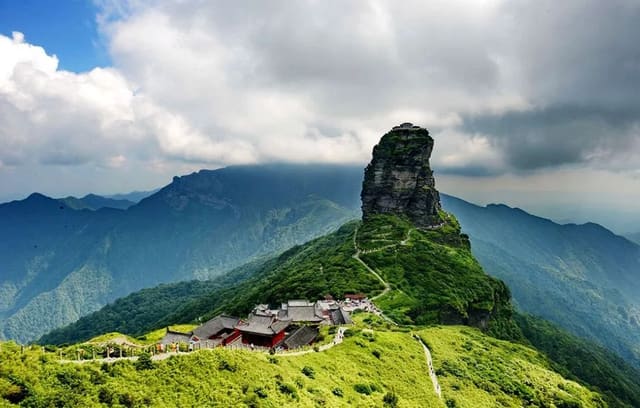 Fanjingshan Temples Niche Heritage Site · Guizhou
 Maijishan Grottoes Niche Heritage Site · Gansu
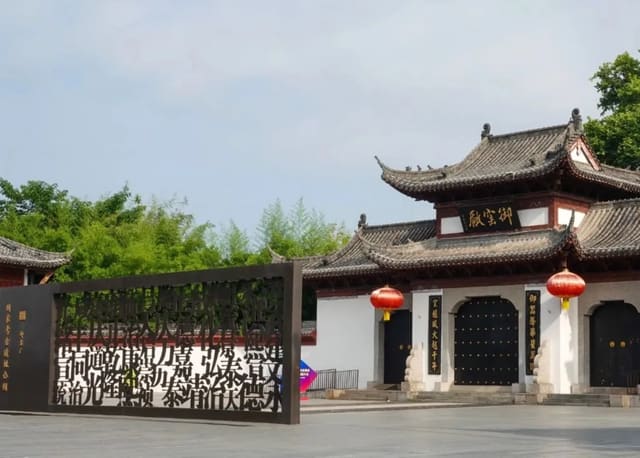 Jingdezhen Porcelain Capital Niche Heritage Site · Jiangxi
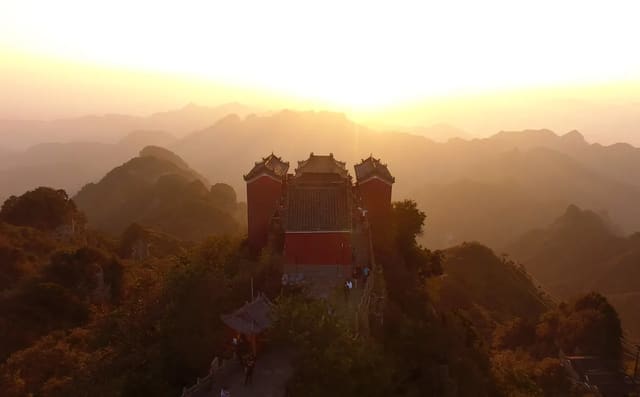 Wudang Mountains Niche Heritage Site · Hubei
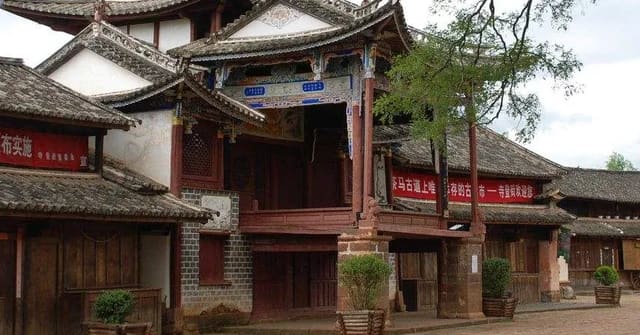 Shaxi Ancient Town Niche Heritage Town · Yunnan
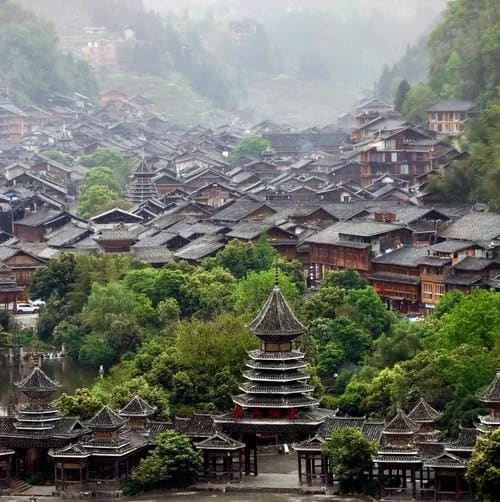 Zhaoxing Dong Village Niche Dong Village · Guizhou
 Harbin Winter City · Heilongjiang