南北朝
Northern and Southern Dynasties
Dynastic Timeline

A period of division between northern and southern regimes that saw the spread of Buddhism, the development of landscape poetry, and the creation of the earliest Chinese encyclopedias.
The cultural innovations and artistic achievements of this era continue to influence Chinese heritage traditions practiced today — from music and opera to crafts and martial arts. Understanding the Northern and Southern Dynasties is essential to understanding the deep roots of China's intangible cultural heritage.
Civilization Profile
An Era of Creation
Arts & Aesthetics
Distinctive artistic styles that defined the era
Literature & Philosophy
Foundational texts and schools of thought
Science & Innovation
Technological and scientific advances
Anchors of Empire
Chang'an
The world's first true metropolis and the pulse of the dynasty.
Dunhuang
The spiritual gateway where East met West in stone and light.
The Knowledge Network
“The arts flourished under imperial patronage, with master craftsmen refining their techniques to unprecedented levels of sophistication.”
Court Historian Imperial Records“The innovations of this era laid the foundation for cultural practices that continue to define Chinese identity today.”
Contemporary Scholar Cultural HeritageFoundation
Consolidation of cultural institutions and imperial patronage
Golden Age
Peak of artistic, intellectual, and commercial achievement
Enduring Legacy
Enduring influence on Chinese heritage traditions today
南北朝 Pulse in the Modern Day
The Northern and Southern Dynasties left an indelible mark on Chinese civilization. Its contributions to art, philosophy, technology, and governance continue to resonate in the heritage practices preserved by communities across China today — a testament to the enduring power of cultural memory.
Explore the AtlasHistory & Development
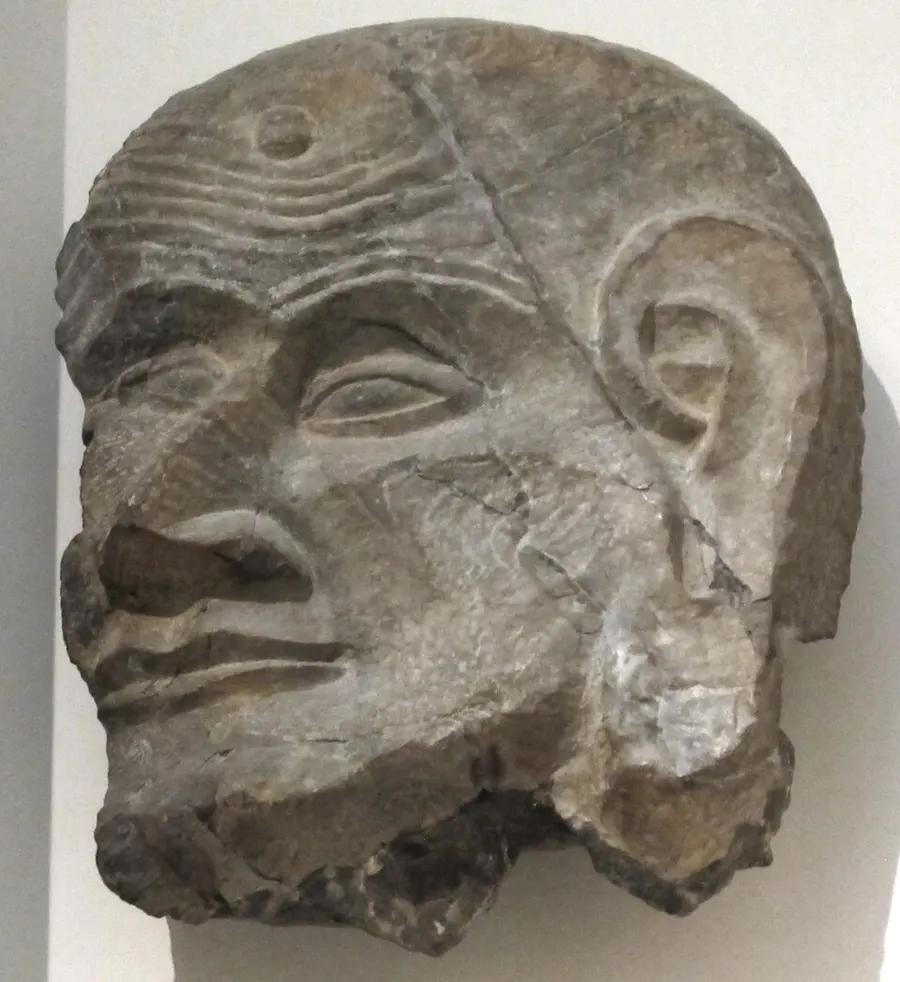
Nearly 170 years of division paradoxically built some of China's greatest monuments. Buddhist patronage carved the cave sanctuaries of Yungang and Longmen, where tens of thousands of statues translated Indian iconography into Chinese stone between the fifth and sixth centuries.
Practical learning advanced too. Jia Sixie's Qimin Yaoshu, completed around 544 CE, gathered 23 chapters of agronomy, fermentation, and husbandry — the oldest complete agricultural encyclopedia in East Asia — while the Ballad of Mulan entered oral literature.
Cultural Traditions
-
Cave-Temple Buddhism
Royal treasuries funded grottoes where colossal Buddhas met Central Asian drapery and Chinese line work.
-
Agricultural Encyclopedism
Seed selection, sericulture schedules, and vinegar brewing were systematised for estate managers.
-
Frontier Fusion
Northern courts of Xianbei origin adopted Chinese bureaucracy while importing saddle, dress, and music styles.
Common Questions
Which caves should a visitor prioritise?
Yungang near Datong for colossal fifth-century Buddhas, Longmen near Luoyang for the refined north China style that followed.
Is Mulan from this era?
The earliest Ballad of Mulan text dates here; every later opera and film retelling builds on that Northern-court poem.