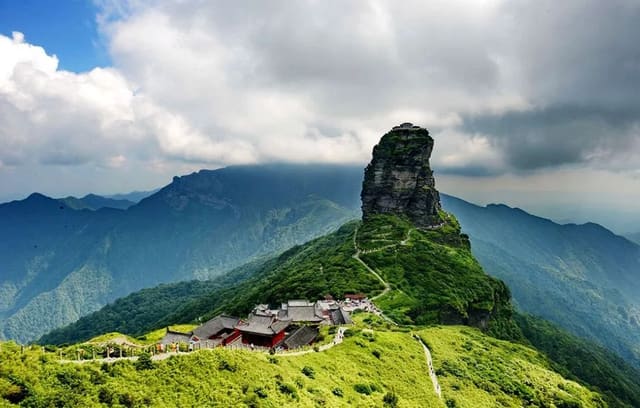
Niche Heritage Site · Guizhou
Fanjingshan Temples
The temples on Red Cloud Golden Summit are the real draw at Fanjingshan — two halls on split peaks joined by a bridge, inside a UNESCO natural heritage area. Here is what is actually up there, how the two approach routes differ, and how to plan the climb.
Affiliate link · we may earn a commission
Before You Go
Is Fanjingshan right for this trip?
Fanjingshan is a steep mountain day with a specific reward: the summit temples and the rock formations around them. Check the fit before you commit — the climb is the point, not something to bypass.
Good fit
- A Buddhist mountain with two summit temples joined by a bridge
- The Red Cloud Golden Summit above the clouds at 2,336 metres
- Mushroom Rock and the high-altitude stone forest
- A UNESCO natural heritage area with rare species such as the Guizhou golden monkey
- A full day out of Tongren, with a choice of east or west approach
Consider elsewhere
- A gentle walk — the final summit involves steep stone steps and chains
- A site you can see in an hour
- Painted cave art or murals — this is a mountain and natural heritage site
- Visitors wanting live ticket or cable-car prices — we do not hold them here
Fanjingshan sits at the junction of Jiangkou, Yinjiang and Songtao counties in Tongren, Guizhou, and is the highest peak of the Wuling range. The national heritage authority and the scenic-area office both give a summit elevation of 2,572 metres for the mountain, while the Red Cloud Golden Summit — the temples people actually come to see — stands at 2,336 metres. The area was inscribed on the UNESCO World Heritage List in July 2018 as a natural heritage site, and the scenic area was confirmed as a national 5A attraction in October 2018.
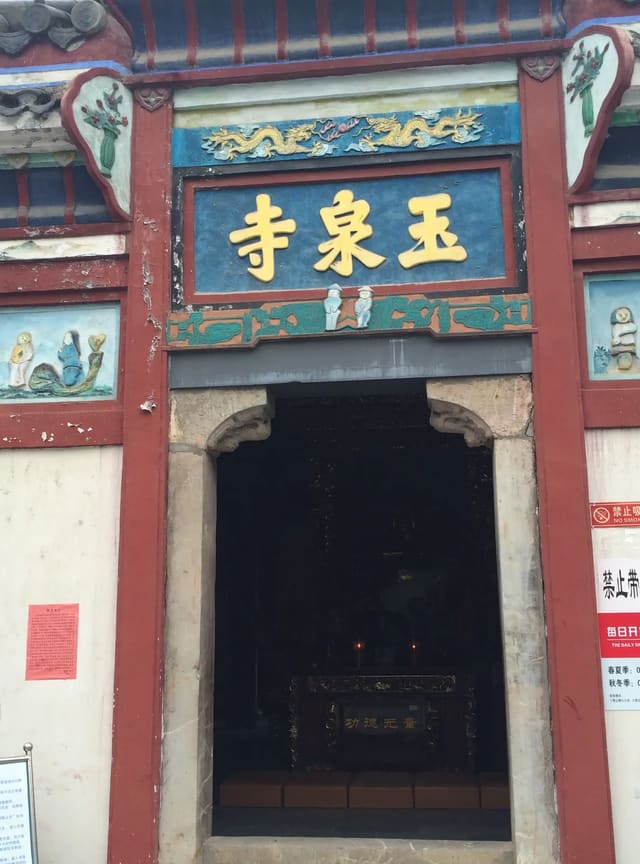
The broad search term "Fanjingshan temple" points to a specific place: the Red Cloud Golden Summit. Its upper section is split by the Golden Sword Gorge into two peaks, joined by a small bridge. The south peak carries the Sakyamuni Hall and the north peak the Maitreya Hall — the mountain is traditionally regarded as a Maitreya Buddhist site. Nearby stand the older Golden Summit and the Mushroom Rock, a roughly ten-metre stone shaped by long weathering.
There are two ways up. The east gate is at Jiangkou and the west gate at Yinjiang; the east route with its cable car is the common choice, while the west route starts from the ridge at Mianxuling. The climb to the summit is steep and exposed in places, so the practical question is not just "is it worth it" but which approach suits your day. This page answers that after the temples and the rock formations.
What You See
A site you can read in layers
The wall, the bank, the temple sculpture and the lacquer workshop — each adds a period of the story. This is what a day here is made of.
More reading routes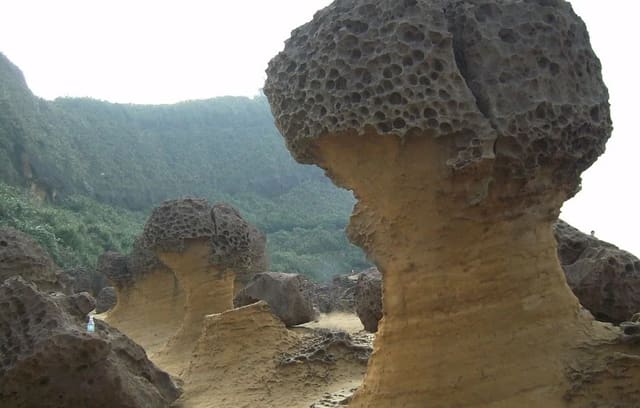
-
01 · The temples
Red Cloud Golden Summit and its two halls
At 2,336 metres, the summit is split into two rocky peaks linked by a short bridge. The south peak holds the Sakyamuni Hall, the north peak the Maitreya Hall. The final ascent uses stone steps cut into the rock with chains — steep, narrow, and exposed.
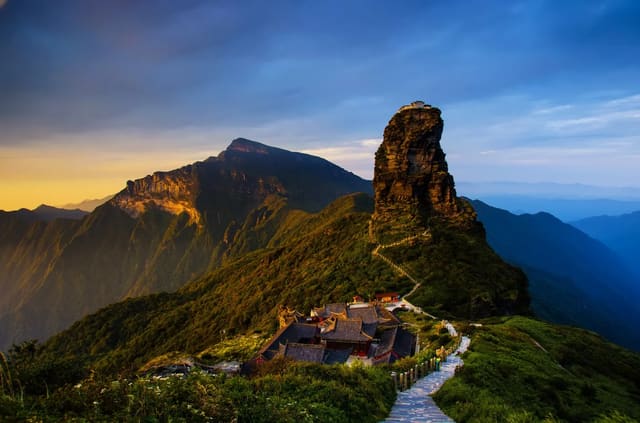
The Golden Summit area — split peaks, a connecting bridge, and high-altitude stone forest. Registry-backed fact
-
02 · The rock
Mushroom Rock
A roughly ten-metre formation with a broad cap over a narrow base, shaped by differential weathering over a very long geological period. It sits below the Old Golden Summit and is the most photographed natural feature on the mountain.
-
03 · The older peak
Old Golden Summit and the Ming stele
The Old Golden Summit is the earlier sacred peak. Near it stands a Ming-era stele, erected in 1618 under the Wanli emperor, which records the rebuilding of the summit. It is the main historical inscription on the mountain.
-
04 · The approach
East route or west route
The east gate at Jiangkou is the common route, with a cable car up to the mid-mountain trail and a boardwalk to the summit area. The west gate at Yinjiang starts from Mianxuling ridge, a longer walk-in. Choose based on the time and walking you want.
-
05 · The nature
Natural heritage and the golden monkey
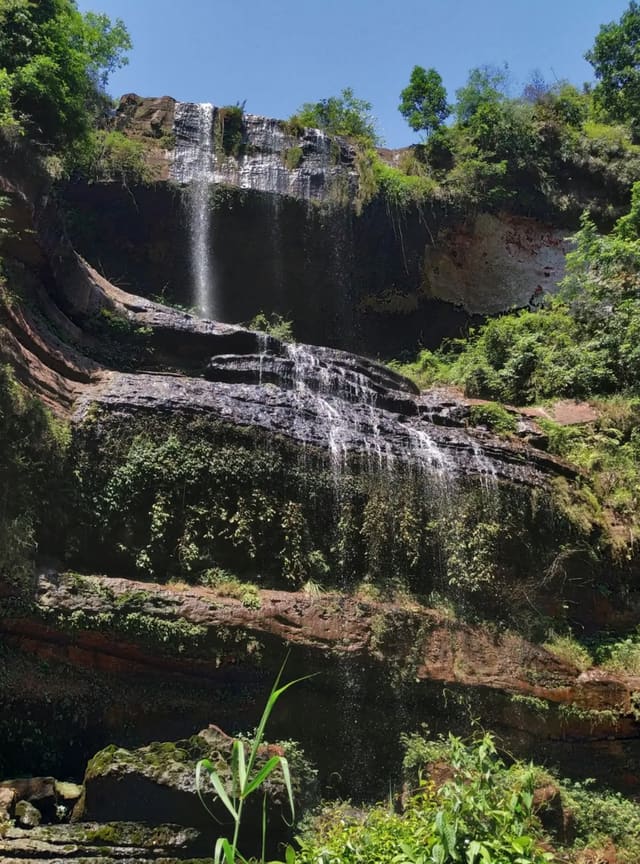
Fanjingshan is a UNESCO natural heritage area with a high diversity of plants and animals. The Guizhou golden monkey is found only in this region. Treat wildlife sightings as a possibility, not a promise — the site manages daily visitor numbers to protect the habitat.
Registry-backed fact
If the wall and the craft interest you
See the guided ways to visit
Walks and temple visits are the two options people most often compare here. Check current availability and cancellation terms on the provider page before you book.
See Guiyang and Tongren toursAffiliate link · we may earn a commission
The Source
What the registers actually say
Every number below comes from a national register, the scenic-area office or UNESCO, not an editorial estimate. This page does not invent a graded hotel list from thin data — Tongren has only a short five-star hotel register, so check current options for yourself.
- 5A
- Fanjingshan tourist area confirmed as a national 5A attraction (October 2018)
- 2018
- Year the site was inscribed on the UNESCO World Heritage List as natural heritage (July)
- 2,336 m
- Elevation of the Red Cloud Golden Summit, where the two temples stand
- 2,572 m
- Highest point of the mountain and the Wuling range
Source: Fanjingshan Scenic Area Office / Ministry of Culture and Tourism / UNESCO. Official registry snapshot, 2026-11-24 / 2026-11-25..
Fanjingshan or another Chinese sacred mountain?
Both sites pair Buddhist buildings with a mountain landscape, but the heritage status and the climb differ. The table uses registry facts, not a "better" ranking.
| Site | What you actually see | Registry / heritage facts |
|---|---|---|
| Fanjingshan temples | Two summit halls joined by a bridge at 2,336 m, Mushroom Rock, Ming stele, a UNESCO natural heritage area | 5A-listed (2018); UNESCO natural heritage (2018); summit 2,336 m and mountain 2,572 m |
| Wudang Mountains | Taoist temple complexes and martial-arts schools in Hubei, a different tradition from Buddhist Fanjingshan | Separate UNESCO cultural property; a dedicated page is not built here yet |
| Yungang Grottoes | Carved Buddhist caves near Datong, rather than mountain-top temples | Separate UNESCO property (2001); 5A-listed (2007) |
Common Questions
How long does it take to climb Fanjingshan?
Allow a full day. From the east gate, the cable car reaches mid-mountain; a boardwalk and then steep stone steps lead to the summit area. The final climb to the Golden Summit is short but exposed, with chains on the steepest sections.
What is the most famous temple on Fanjingshan?
The two halls on the Red Cloud Golden Summit — the Sakyamuni Hall on the south peak and the Maitreya Hall on the north — are the best known. They sit on separate rock spires and are linked by a small bridge over Golden Sword Gorge.
Is Fanjingshan worth visiting?
If you want a Buddhist mountain with a challenging summit and unusual rock formations, yes. The temples and Mushroom Rock are the specific rewards. If you want an easy walk or cave art, this is the wrong kind of site.
What is the most famous mountain temple in China?
That depends on tradition: Wudang is the Taoist martial-arts mountain, while Fanjingshan is regarded as a Maitreya Buddhist site. This page describes Fanjingshan only; it does not rank temples against other mountains.
Which gate should I use — east or west?
The east gate at Jiangkou is the common route and has the cable car. The west gate at Yinjiang starts from Mianxuling ridge and involves a longer approach. Pick based on how much walking you want and how your day is arranged.
Are ticket, cable car or shuttle prices listed here?
No. Prices, opening hours and daily visitor limits change and are set by the site and providers. This page lists registry-backed facts only; check the official announcement or the provider pages linked below for current details.
Plan Your Visit
Tours and experiences
Compare guided options in one place. Prices and availability are set by each provider and are not maintained on this page.
As an affiliate, we may earn a commission from qualifying purchases. Prices and availability are set by the provider and are not maintained on this page.
Sources and data note
Facts: Fanjingshan Scenic Area Office (fanjingshan.cn) — 5A confirmation 17 October 2018, summit temples and two approach gates; Tongren municipal government and state media — UNESCO natural heritage inscription July 2018, mountain elevation 2,572 m, Red Cloud Golden Summit 2,336 m, Ming stele 1618, Mushroom Rock, Guizhou golden monkey; Ministry of Culture and Tourism national 5A register (Jiangkou Fanjingshan tourist area, 2018); UNESCO World Heritage List. "Fanjingshan temple" is the highest-volume variant and is the page primary term. Affiliate links are destination/category deep links, not live prices; replace with your own tracking URLs before launch.
Another wall, another tradition
More niche heritage sites
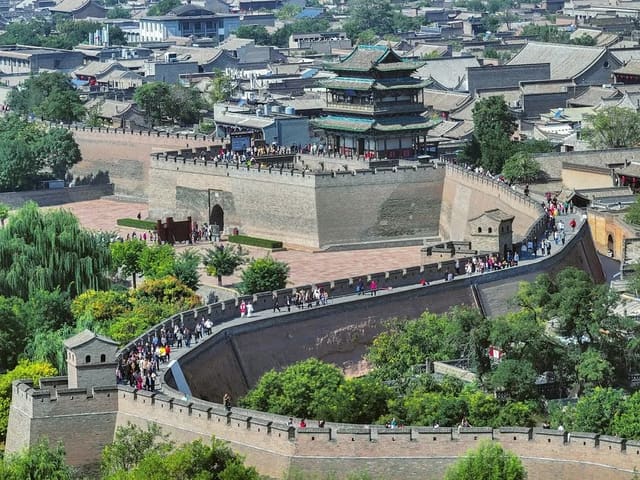 Pingyao Ancient City Niche Heritage Site · Shanxi
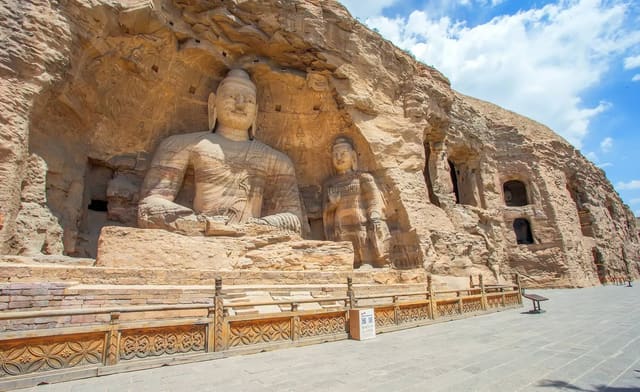 Yungang Grottoes Niche Heritage Site · Shanxi
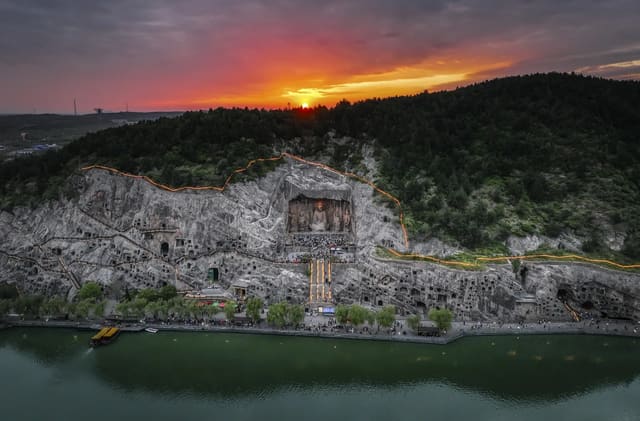 Longmen Grottoes Niche Heritage Site · Henan
 Maijishan Grottoes Niche Heritage Site · Gansu
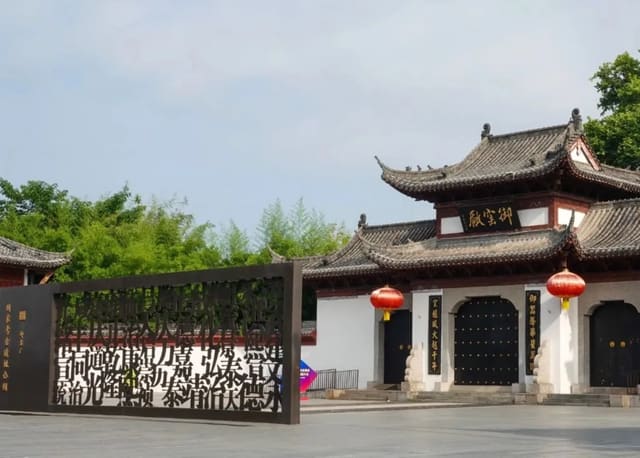 Jingdezhen Porcelain Capital Niche Heritage Site · Jiangxi
 Wudang Mountains Niche Heritage Site · Hubei
 Shaxi Ancient Town Niche Heritage Town · Yunnan
 Zhaoxing Dong Village Niche Dong Village · Guizhou
 Harbin Winter City · Heilongjiang