Winter City · Heilongjiang
Harbin
Harbin is the capital of Heilongjiang in China's far north, a city whose winter has become culture. Its ice sculptures, the Ice and Snow Festival, a design tradition as a City of Music and Russian-era architecture make it a winter destination with more to read than snow alone. This guide looks at what the ice and snow actually become here — the festivals, the music and the city fabric — and how a Harbin trip differs from a ski holiday.
Affiliate link · we may earn a commission · tracking URL to be replaced
Before You Go
Why go to Harbin rather than a ski resort?
Search results and AI Overviews already answer what Harbin is and what the Ice and Snow Festival looks like. The decision that remains is what kind of winter trip you want. Harbin is a city: the attraction is sculpture, festival, music and Russian-era streets, with ice harvested from the Songhua River. A ski resort sells slopes and snow-making. If you want culture you can walk through and a festival calendar, choose Harbin; if you want days on pistes, choose a ski destination.
Good fit
- Ice and snow sculpture at a scale you can walk around, not just look at
- The Ice and Snow Festival and a winter arts calendar rebuilt every year
- A City of Music with concerts, an art season and a documented New Year concert
- Russian-era architecture and the legacy of the Chinese Eastern Railway
- A winter city break that does not require skiing
Consider elsewhere
- Days on ski pistes — that is a ski resort such as Yabuli, a different trip
- A winter beach or warm-weather festival — Harbin is genuinely cold
- Live ticket prices or guaranteed event dates — we do not hold either here
- A heritage claim that the ice festival is national intangible heritage — it is not in the ICH register
Harbin sits on the Songhua River in Heilongjiang, China's northernmost province. Its winter is long and severe, and the city has turned that fact into a cultural calendar rather than simply enduring it. Ice is taken from the river, carved into buildings and sculptures, and assembled into an ice-and-snow park that is rebuilt each season. The festival grew out of a traditional ice-lantern gathering that public sources date to 1963; its official opening is conventionally marked on 5 January. Those dates and scale descriptions follow public and travel sources — we do not repeat "world's largest" claims as our own.
What makes Harbin more than an ice display is its music. The city is officially presented as a City of Music, and the 2025–2026 Ice and Snow Art Season ran from November 2025 to March 2026 with 138 productions and 281 performances according to the city's cultural bureau. On 31 December 2025, the Ice and Snow World staged a New Year concert against an ice-sculpture stage, reported widely and carried on international coverage. Together with Russian-era buildings left by the Chinese Eastern Railway era, this is a city where the winter is a cultural medium, not just weather.
The search results for Harbin are dominated by "what is it famous for", "is it worth visiting" and "how cold does it get". So this guide deals with those questions and then goes further: what the ice festival actually is, where the music fits, how the Russian layer reads on the street, and why a trip here is not the same as a ski holiday. For the living traditions of the region, our Hezhen yimakan page and Heilongjiang entry are the cultural reading that pairs with the journey.
What You See
A site you can read in layers
The wall, the bank, the temple sculpture and the lacquer workshop — each adds a period of the story. This is what a day here is made of.
More reading routes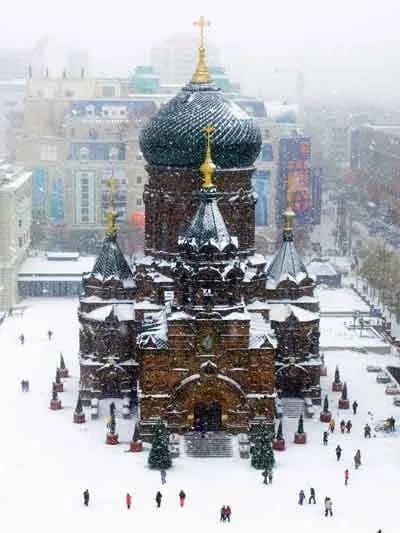
-
01 · The decision
Why go to Harbin in winter?
Start with the question searchers actually ask: what is Harbin famous for? The answer is not one attraction but a combination — ice sculpture at city scale, an annual ice and snow festival, a music calendar, and Russian-era architecture. If you want a winter trip you can read as culture rather than simply consume as snow, this is the reason to come.
-
02 · The ice
Ice and Snow World and the festival
Ice and Snow World is the headline site: ice blocks taken from the Songhua River are carved into architecture and lit sculptures, rebuilt each season. The Harbin International Ice and Snow Festival grew out of an ice-lantern tradition that public sources date to 1963, with an official opening conventionally marked on 5 January. We do not claim a "world's largest" superlative or put the festival in the national ICH register — neither is supported by the register snapshot.

Ice and Snow World — sculptures carved from river ice and rebuilt each winter. -
03 · The music
A City of Music: concert and art season
Harbin is officially presented as a City of Music, and the winter makes that visible. The 2025–2026 Ice and Snow Art Season ran from November 2025 to March 2026 with 138 productions and 281 performances, according to the city's cultural bureau. On 31 December 2025, a New Year concert at the Ice and Snow World used an ice-sculpture stage and was reported widely. Check the current year's programme before you go — the calendar changes.
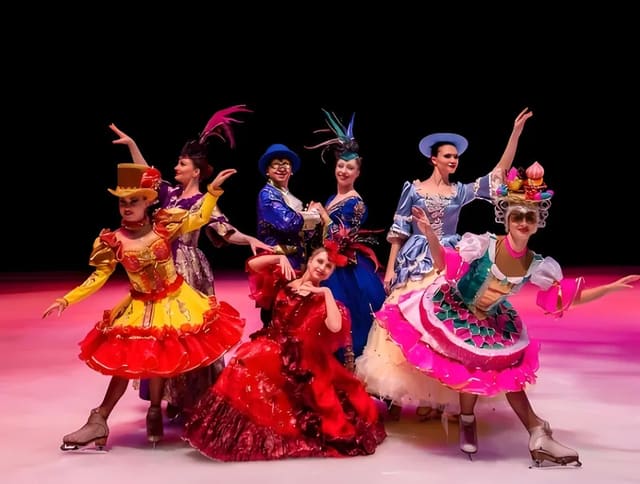
The ice-and-snow show stage — where Harbin's music and ice cultures meet. -
04 · The city
Russian heritage and the Chinese Eastern Railway
Harbin's Russian layer is a legacy of the Chinese Eastern Railway era. Saint Sophia Cathedral, with its onion dome, is the best-known landmark; the historic streets around it carry the same architectural vocabulary. Rather than attach a single disputed founding date, we describe the connection in historical terms and point you to what you can see on the street today. PAA questions about whether Russian is spoken or Russians still live here are real — the architecture is a historical trace, not a claim about the present-day population.
-
05 · The life
Sun Island, cold life and "southern small potatoes"
Sun Island, a 5A scenic area listed in the Ministry of Culture snapshot in 2007, sits on the Songhua River and is part of the wider winter circuit. The other half of Harbin's winter is everyday life in extreme cold — and the "southern small potatoes" phenomenon, a 2023–24 internet nickname that southern visitors adopted for themselves and the city embraced as a tourism IP. It is a recent cultural moment, not an official designation; we note it as a documented welcome phenomenon, not a stereotype.
-
06 · The route
Season and how to plan
The winter season broadly runs from late November into March, with the festival conventionally opening around 5 January; exact dates, opening hours and events change each year, so verify with official sources before booking. Allow at least two to three days for the Ice and Snow World, the festival sites, the music venues and the historic streets. Yabuli ski area is reachable from Harbin if you want to add pistes — but that is a separate ski trip, not part of the city itinerary.
If the wall and the craft interest you
See the guided ways to visit
Walks and temple visits are the two options people most often compare here. Check current availability and cancellation terms on the provider page before you book.
See Ice Festival experiencesAffiliate link · we may earn a commission · tracking URL to be replaced
The Source
What the sources actually say
Registry and event figures below come from the Ministry of Culture tourism snapshot and Chinese official / state-media reports. The ice festival is not a national ICH item in the register; "world's largest" is a travel-source description we do not assert. Annual events carry their year and are not presented as permanent.
- 2007
- Year Sun Island was listed as a 5A scenic area, per the Ministry of Culture snapshot
- 138 / 281
- Productions and performances in the 2025–2026 Ice and Snow Art Season
- 31 Dec 2025
- Date of the Ice and Snow World New Year concert
- 1963
- Year public sources trace the ice-lantern gathering behind the festival
Source: Ministry of Culture tourism snapshot / China National Radio (via Harbin Cultural Bureau) / official event coverage. Tourism snapshot, 24 November 2026; art-season figures reported by China National Radio from the Harbin Culture and Tourism Bureau; fact-check compiled 26 November 2026..
What kind of winter trip are you planning?
Harbin is a city of ice, music and Russian-era architecture; a ski trip is built around slopes. The table separates them, and the second table separates the festival from the music programme so the cultural layers stay distinct.
| Harbin city winter | A ski resort trip | |
|---|---|---|
| Main draw | Ice sculpture, festival, music, historic streets | Skiing and snowboarding pistes |
| Setting | A city on the Songhua River | A mountain resort area |
| Culture | City of Music, art season, Russian-era architecture | Resort amenities and apres-ski |
| Best for | A culture-led winter break without skiing | Days on snow with a ski pass |
| Regional example | Harbin, Heilongjiang | Yabuli, Shangzhi, Heilongjiang |
Common Questions
What is Harbin famous for?
Harbin is known for its ice and snow sculptures, the annual Ice and Snow Festival, its identity as a City of Music, and Russian-era architecture such as Saint Sophia Cathedral. The ice is taken from the Songhua River and carved into buildings and sculptures that are rebuilt each winter. It is a city break built around winter culture, not a ski resort.
Is Harbin worth visiting?
If you want to see ice sculpture at city scale, walk a festival rebuilt every year, hear music in a winter arts programme and read Russian-era architecture on the street, yes. Give it two to three days in winter. If you only want warm weather or skiing, another destination fits better.
Is three days enough in Harbin?
Three days is a workable first visit: a day for Ice and Snow World and the festival sites, a day for the historic streets and music venues, and a day for Sun Island or a slower look at the city. Add time if you also want to reach Yabuli for skiing, which is a separate trip.
Can foreigners visit the Harbin Ice and Snow Festival?
Yes — it is a public festival and a major winter destination for international visitors. Event dates, ticketing and opening arrangements change each year, so confirm the current season with official channels before you travel. We do not hold live ticket prices or availability here.
How cold does Harbin get in winter?
Harbin has a severe continental winter; public travel sources commonly describe temperatures around minus 20 to minus 30 Celsius at the coldest. Dress for extreme cold, including layers and protection for exposed skin. Check a current forecast close to your travel dates rather than relying on a seasonal average.
Do people still speak Russian in Harbin, or Russians live there?
Harbin's Russian layer is historical — a legacy of the Chinese Eastern Railway era, visible in buildings such as Saint Sophia Cathedral. Russian is not the city's everyday language, and the architecture is a historical trace rather than a statement about today's population. Treat the question as one about the city's past, not a present-day demographic claim.
Plan Your Visit
Tours and experiences
Compare guided options in one place. Prices and availability are set by each provider and are not maintained on this page.
As an affiliate, we may earn a commission from qualifying purchases. Prices and availability are set by the provider and are not maintained on this page.
Sources and data note
Facts: Ministry of Culture tourism snapshot (Sun Island, 5A, 2007; five-star hotels and rural tourism villages noted as background only); China ICH project register (no national ICH entry for ice-lantern making or the ice festival — deliberately not claimed); China National Radio report sourced to the Harbin Culture and Tourism Bureau (2025–2026 Ice and Snow Art Season, Nov 2025–Mar 2026, 138 productions / 281 performances); official event coverage (New Year concert at Ice and Snow World, 31 Dec 2025, "Ru Ge de Lu Cheng" IP); Baike and state-media descriptions of the "southern small potatoes" phenomenon (a 2023–24 internet nickname and tourism IP, not an official designation); independent Google SERP and PAA for the decision, weather and Russian-language questions. Event years are stated explicitly; "world's largest" and similar superlatives from travel sources are not repeated as our claims. Affiliate links are category-level deep links, not live prices; replace with your own tracking URLs before launch.
Another wall, another tradition
More niche heritage sites
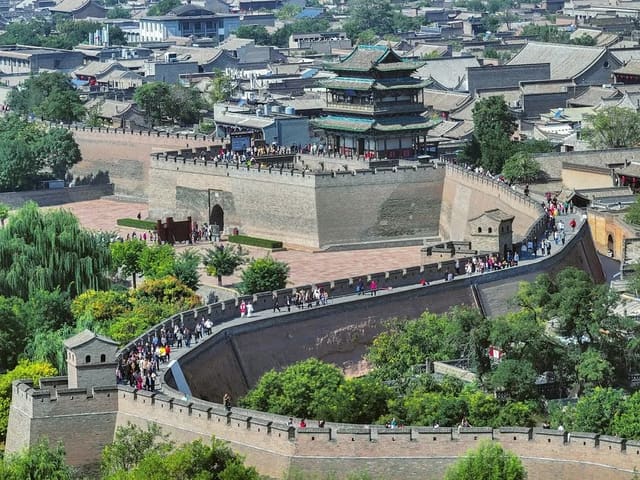 Pingyao Ancient City Niche Heritage Site · Shanxi
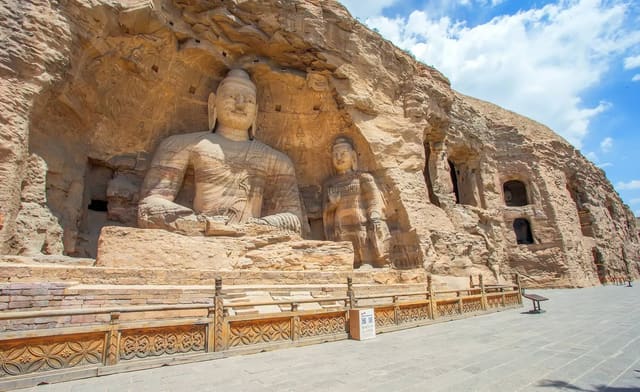 Yungang Grottoes Niche Heritage Site · Shanxi
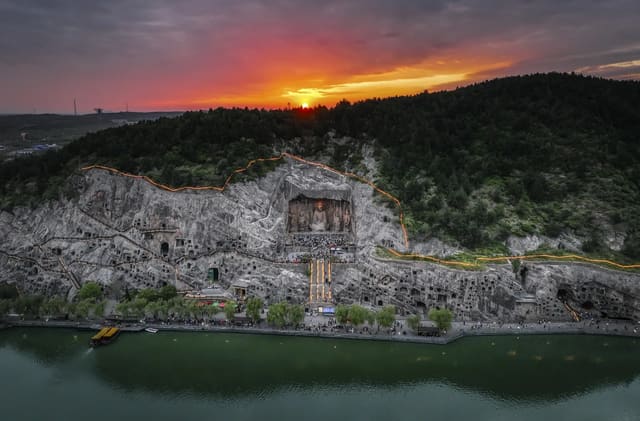 Longmen Grottoes Niche Heritage Site · Henan
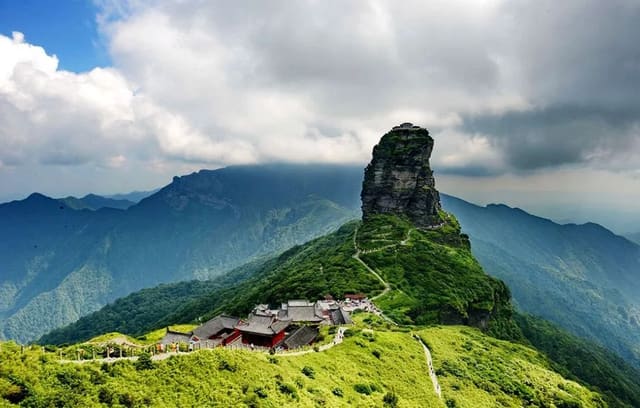 Fanjingshan Temples Niche Heritage Site · Guizhou
 Maijishan Grottoes Niche Heritage Site · Gansu
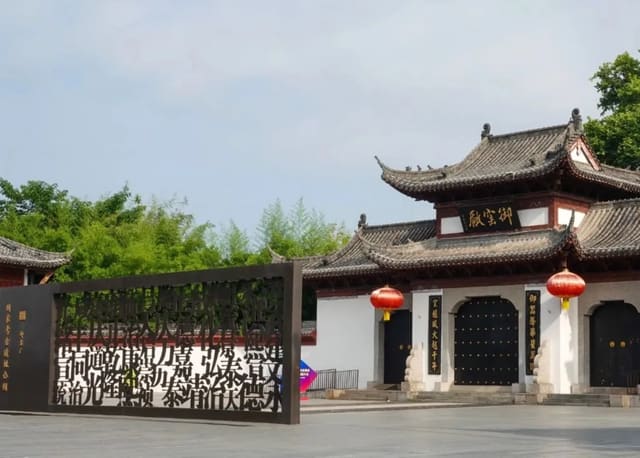 Jingdezhen Porcelain Capital Niche Heritage Site · Jiangxi
 Wudang Mountains Niche Heritage Site · Hubei
 Shaxi Ancient Town Niche Heritage Town · Yunnan
 Zhaoxing Dong Village Niche Dong Village · Guizhou