Niche Heritage Site · Henan
Longmen Grottoes
Carved over four centuries on both banks of the Yi River, Longmen is a site you read in periods — Northern Wei caves, then Tang imperial sculpture. Here are the caves and temples worth reading in order, the dates behind them, and how to reach them from Luoyang.
Affiliate link · we may earn a commission
Before You Go
Is Longmen right for this trip?
Longmen rewards readers who want to see how Buddhist sculpture changed from the Northern Wei to the Tang within one site. The caves and temple complexes are spread along the river, so read them as periods, not as a single stop.
Good fit
- A river corridor of caves you can read in chronological layers
- Northern Wei inscriptions and Tang imperial sculpture in one place
- The Lushena Buddha at Fengxian Temple, a peak of Tang carving
- An easy trip from Luoyang, with rail access from Xi’an and Zhengzhou
- Visitors interested in how Indian Buddhist art became Chinese
Consider elsewhere
- Painted murals — Mogao at Dunhuang is the mural site, Longmen is carved stone
- A single monument you can finish in an hour
- A nightlife or coastal itinerary
- Visitors wanting live ticket prices — we do not hold them here
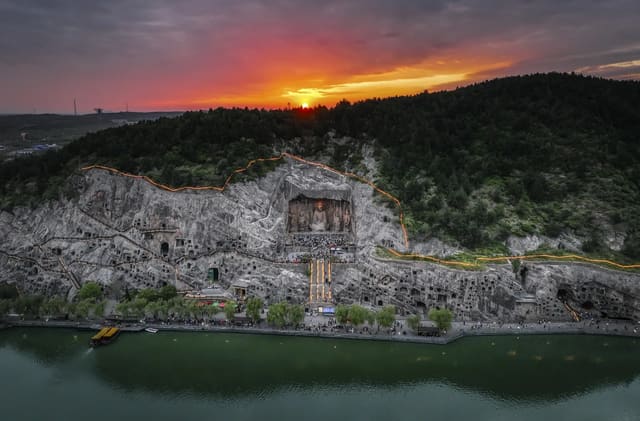
The Longmen Grottoes run along both banks of the Yi River south of Luoyang, Henan. Carving began around the move of the Northern Wei capital to Luoyang in 493 and continued for roughly four centuries into the Tang. The national heritage authority records more than 2,300 caves and niches, nearly 110,000 Buddhist figures, about 2,800 stele inscriptions and more than 60 pagodas.
Longmen is the southern counterpart to Yungang near Datong. Where Yungang is the earlier northern Wei imperial project, Longmen carries both the late northern Wei "Central Plains style" and the Tang "grand style". The Guyang Cave preserves some of the earliest and most dense inscriptions; Binyang shows the northern Wei court style; and the Tang Fengxian Temple holds the enormous Lushena Buddha, completed in the 670s under Emperor Gaozong.
The caves are not one monument but a long sequence along the river. That sequence — early caves, middle-period work, Tang imperial sculpture — is the clearest way to read the site. This page follows that order, then answers the practical question behind the search: how to get there from Luoyang.
What You See
A site you can read in layers
The wall, the bank, the temple sculpture and the lacquer workshop — each adds a period of the story. This is what a day here is made of.
More reading routes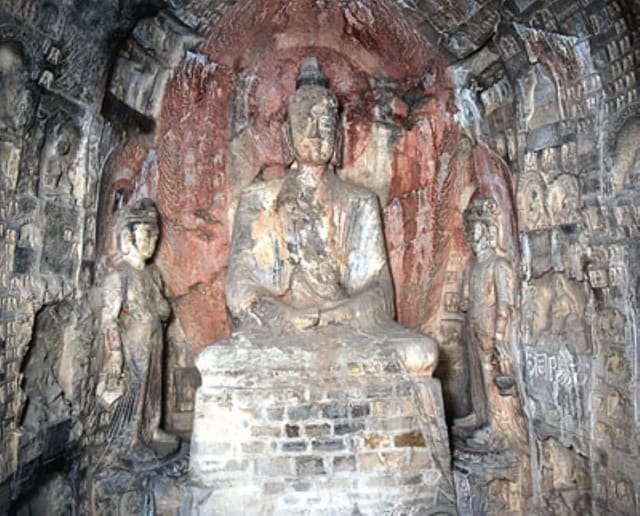
-
01 · The earliest
Guyang Cave
The earliest and most richly inscribed of the major caves, begun around the Northern Wei move to Luoyang in 493. Its dense donor inscriptions make it the place to read how Buddhist devotion was recorded in stone.
Guyang Cave — dense with early Northern Wei inscriptions. -
02 · The court style
Binyang Cave
A Northern Wei cave known for its courtly, refined carving. One of its northern Buddha figures is popularly called the "V-sign Buddha" because a weathered hand reads like a two-finger gesture — a detail that draws modern visitors.
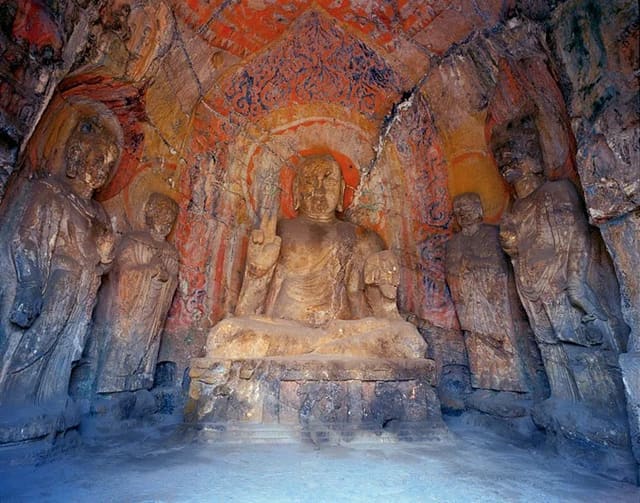
Binyang North Cave — the weathered hand that reads as a "V-sign". -
03 · The Tang peak
Fengxian Temple & the Lushena Buddha
The largest cave-temple at Longmen. Its central Lushena Buddha stands 17.14 metres tall and was carved between 672 and 675 under Emperor Gaozong. The figure is the defining image of Tang Buddhist sculpture at the site.
Registry-backed fact
-
04 · The later caves
Middle and late-period caves
Beyond the major caves, smaller grottoes and shrines continue along both banks. Many are simpler and less crowded, and they show the shift from the monumental early style to the slimmer figures of later periods.
-
05 · Getting there
From Luoyang and beyond
The grottoes sit just south of Luoyang, so most visits start in the city. Luoyang has rail links to Xi’an, Zhengzhou and Beijing; local buses and taxis cover the last stretch to the east and west cave zones. Check current services before you go.
If the wall and the craft interest you
See the guided ways to visit
Walks and temple visits are the two options people most often compare here. Check current availability and cancellation terms on the provider page before you book.
See Longmen tours from LuoyangAffiliate link · we may earn a commission
The Source
What the registers actually say
Every number below comes from a national register or the national heritage authority, not an editorial estimate. This page does not invent a graded hotel list from thin data — Luoyang has a short five-star hotel register, so check current options for yourself.
- 5A
- Longmen Grottoes listed in the national 5A scenic-area register (2007)
- 2000
- Year the site was inscribed on the UNESCO World Heritage List
- 2,300+
- Caves and niches recorded by the national heritage authority
- 110,000
- Approximate number of Buddhist carvings, with 2,800 stele inscriptions
Source: National Cultural Heritage Administration / Ministry of Culture and Tourism / UNESCO. Official registry snapshot, 2026-11-24 / 2026-11-25..
Longmen or Yungang?
Both are UNESCO-inscribed northern grotto complexes, but they belong to different moments and styles. The table uses registry facts, not a "better" ranking.
| Site | What you actually see | Registry / heritage facts |
|---|---|---|
| Longmen Grottoes | Northern Wei inscriptions in Guyang, refined Binyang carving, Tang imperial sculpture at Fengxian Temple | 5A-listed (2007); UNESCO-inscribed 2000; more than 2,300 caves and nearly 110,000 figures |
| Yungang Grottoes | Earlier northern Wei caves near Datong, including Cave 5’s 17 m Buddha and the open-air Cave 20 figure | Separate UNESCO property (2001); 45 main caves and 252 niches per the Shanxi authority |
| Mogao Caves | Painted murals and clay sculpture at Dunhuang, rather than carved-stone caves | Separate UNESCO property, inscribed earlier than both Longmen and Yungang |
Common Questions
Is Longmen Grottoes worth visiting?
If you are interested in ancient history, Buddhist art or major historical landmarks, yes. The site covers Northern Wei through Tang sculpture along a single river corridor. If painted murals are your interest, Mogao at Dunhuang is the better match.
How long does it take to visit Longmen Grottoes?
A focused walk through the main east and west cave zones takes a half day. Allow longer if you want to read the inscriptions at Guyang or spend time at Fengxian Temple rather than passing through.
Who built the Longmen Grottoes?
Carving began around the Northern Wei move to Luoyang in 493 and continued for roughly four centuries into the Tang. It was a succession of imperial and private patrons, not one builder — which is why the site shows several distinct styles.
How do I get to Longmen Grottoes?
The grottoes are just south of Luoyang. Luoyang is served by rail from Xi’an, Zhengzhou and Beijing, and local buses or taxis reach the cave entrance. Check current train and bus schedules before you travel.
How do Longmen and Yungang differ?
Yungang near Datong is the earlier northern Wei imperial complex; Longmen near Luoyang spans late northern Wei through Tang work. Both are UNESCO-inscribed grotto sites with their own dedicated pages here.
Are ticket prices or opening hours listed here?
No. Prices, hours and shuttle arrangements change and are set by the site and providers. This page lists registry-backed facts only; check the official announcement or the provider pages linked below for current details.
Plan Your Visit
Tours and experiences
Compare guided options in one place. Prices and availability are set by each provider and are not maintained on this page.
As an affiliate, we may earn a commission from qualifying purchases. Prices and availability are set by the provider and are not maintained on this page.
Sources and data note
Facts: National Cultural Heritage Administration entry on Longmen Grottoes (493 CE start, 2,300+ caves, nearly 110,000 figures, 2,800 steles, 60+ pagodas, UNESCO inscription 2000); Ministry of Culture and Tourism national 5A scenic-area register (admitted 2007); Lushena Buddha dates and measurements from standard Chinese reference sources. Affiliate links are destination/category deep links, not live prices; replace with your own tracking URLs before launch.
Another wall, another tradition
More niche heritage sites
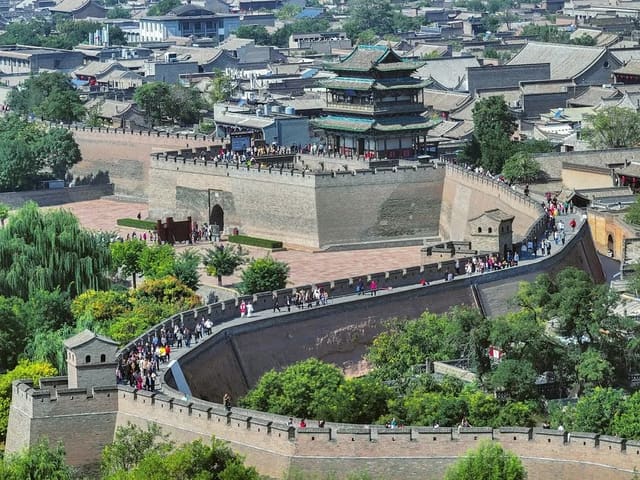 Pingyao Ancient City Niche Heritage Site · Shanxi
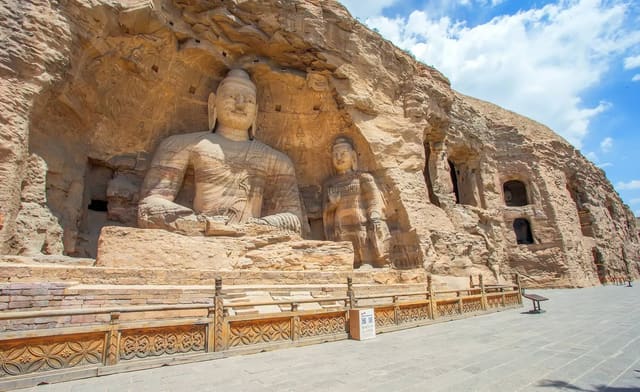 Yungang Grottoes Niche Heritage Site · Shanxi
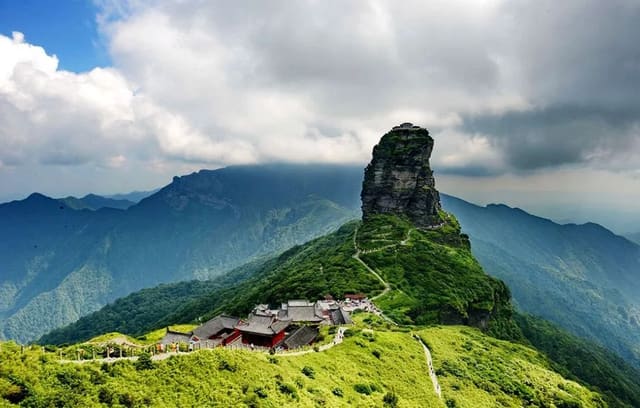 Fanjingshan Temples Niche Heritage Site · Guizhou
 Maijishan Grottoes Niche Heritage Site · Gansu
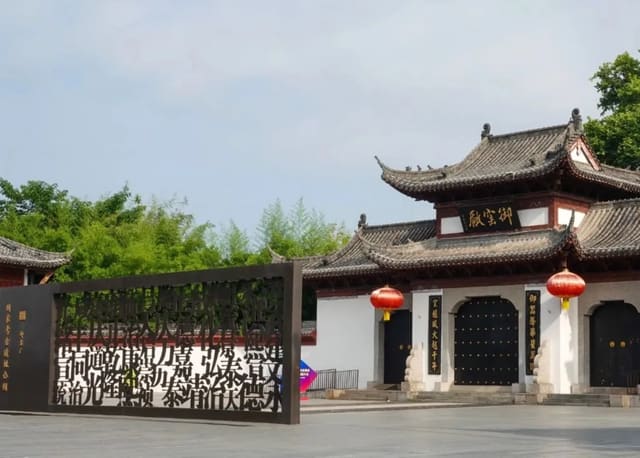 Jingdezhen Porcelain Capital Niche Heritage Site · Jiangxi
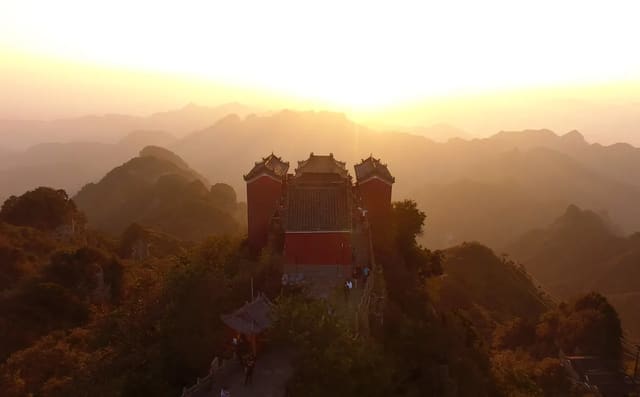 Wudang Mountains Niche Heritage Site · Hubei
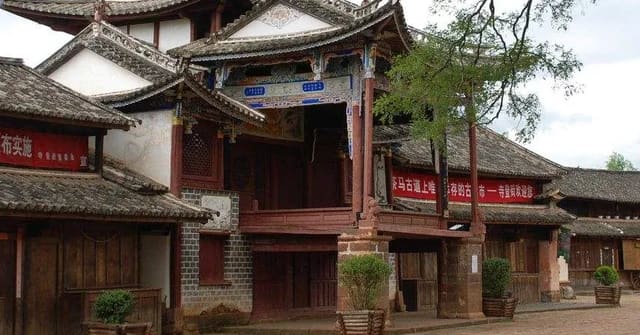 Shaxi Ancient Town Niche Heritage Town · Yunnan
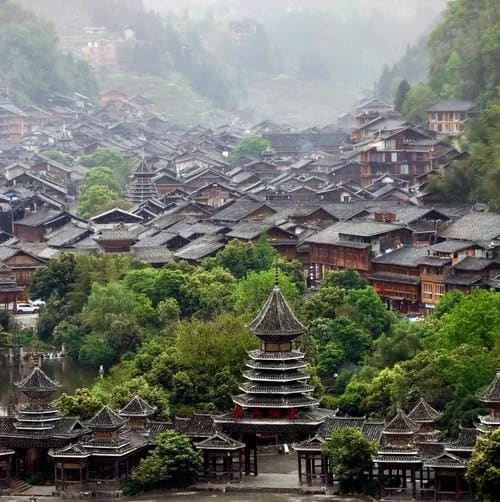 Zhaoxing Dong Village Niche Dong Village · Guizhou
 Harbin Winter City · Heilongjiang