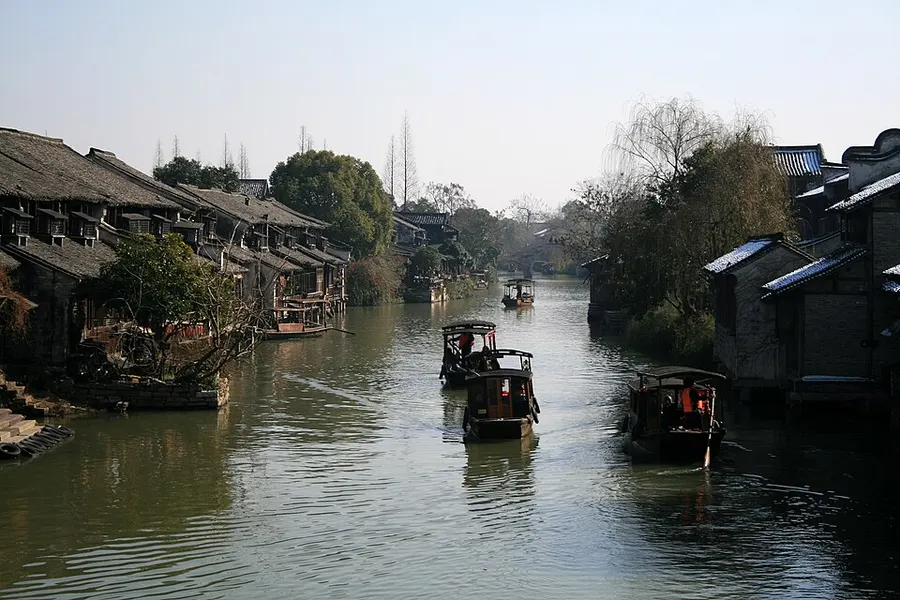
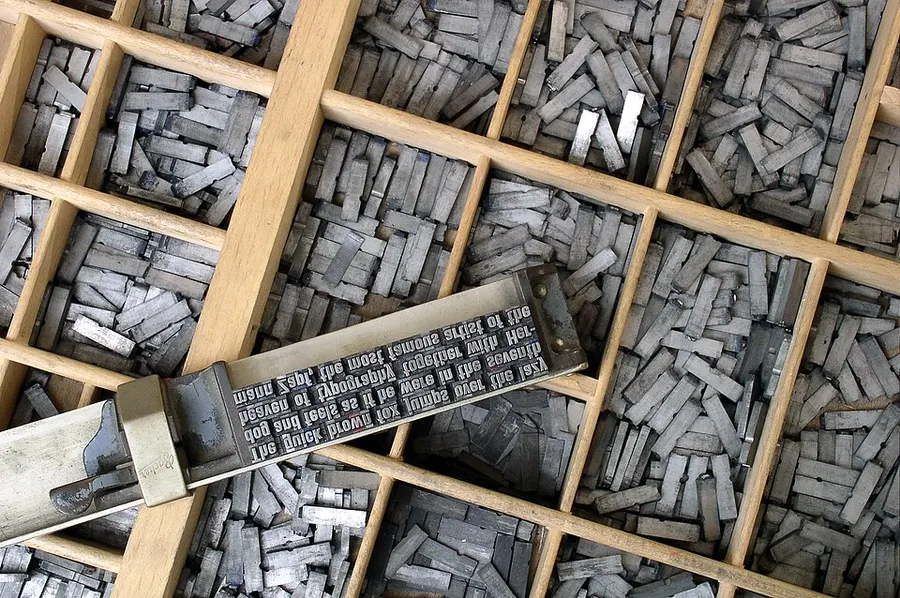
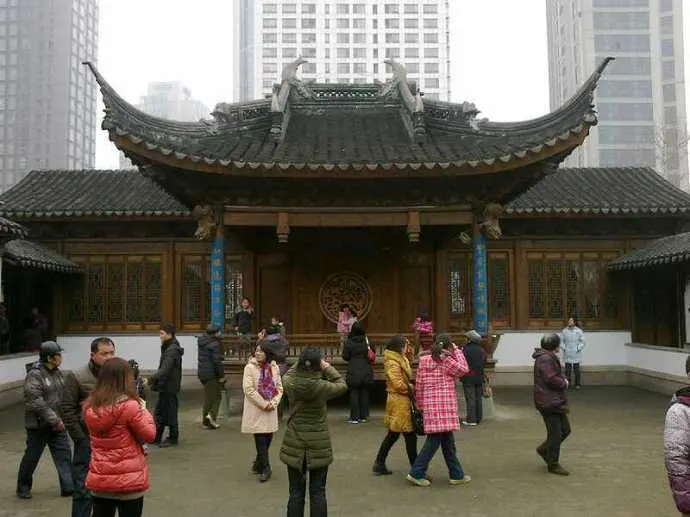
A prosperous eastern province known for Longquan celadon, Dongyang wood carving, Hangzhou tea culture, and movable-type printing heritage.
As a vital node in China's cultural geography, this location has nurtured artistic traditions
that have endured through dynastic changes, social transformations, and the challenges of modernity.
The continuity of these practices speaks to the deep relationship between place and cultural identity.
Today, Zhejiang Province continues to be a living center of heritage — where master artisans
train the next generation, festivals mark the seasons, and ancient crafts adapt to contemporary life.
auto_awesome
travel_explore
Civilization Snapshot
travel_explore
Coordinates30.274°N, 120.155°E
map
Cultural Zonejiangnan
density_small
Heritage Density
6 traditions registered
Through the Eras
Pre-ImperialBefore 221 BCE
Imperial Era221 BCE – 1912 CE
Modern Era1912–Present
mapLandscape of Practice
Where heritage lives — the geography of cultural practice
Interact with the nodes of cultural heritage across the region's ancient grid.
The heritage of Zhejiang Province does not exist in isolation. It is the core of a sophisticated network
of exchange, where techniques, motifs, and melodies traveled to shape the identity of an entire civilization.
Zhejiang hosts Liangzhu, whose walled city and vast dam system date from about 3300 to 2300 BCE and proved five-thousand-year-old state-level civilisation in East Asia when UNESCO listed it in 2019. Hangzhou then served as Southern Song capital from 1138, when Marco Polo would later call it the finest city in the world.
Craft and stage traditions stayed supreme. Longquan celadon glazes reached jade perfection and became the first ceramics genre inscribed by UNESCO in 2009; West Lake entered the World Heritage List in 2011; the Grand Canal's southern terminus feeds Hangzhou's markets; and Shengzhou village stages gave birth to Yue opera in 1906, now one of China's most beloved forms.
handyman
Cultural Traditions
01
Celadon Kilns
Longquan kilns fire plum-green glaze through multiple coats to mimic antique jade.
02
Tea Hills
West Lake Longjing leaves are pan-fired flat by hand before the Qingming dew dries.
03
Water-Town Stages
Yue opera troupes, famed for all-female casts, tour canal towns year-round.
contact_support
Common Questions
How old is Liangzhu culture?add
About 5300 to 4300 years old; its dams rank among the world's earliest large-scale water engineering.
What did Marco Polo say about Hangzhou?add
He praised it as the most splendid city on earth, then the Southern Song capital of perhaps a million people.
Which opera began in Zhejiang?add
Yue opera arose in Shengzhou around 1906 and now fills theatres nationwide.
smart_display
Watch & Learn
Oral Tradition
Stories & Legends
Narratives from the atlas graph that share origins, practitioners, or settings with this topic.