When two people become one beast, evil spirits flee and prosperity arrives.
South China 23.132°N, 113.266°E
广东省
Guangdong Province
1 Active Traditions
0 Master Artisans
0 Annual Festivals
— Heritage Hub
Why This Place Matters
A southern coastal province, homeland of Cantonese Opera (Yueju), lion dance, and a vibrant center of Cantonese culinary and martial arts traditions.
As a vital node in China's cultural geography, this location has nurtured artistic traditions that have endured through dynastic changes, social transformations, and the challenges of modernity. The continuity of these practices speaks to the deep relationship between place and cultural identity.
Today, Guangdong Province continues to be a living center of heritage — where master artisans train the next generation, festivals mark the seasons, and ancient crafts adapt to contemporary life.
Civilization Snapshot
Coordinates 23.132°N, 113.266°E
Cultural Zone lingnan
Heritage Density 1 traditions registered
Through the Eras
Pre-Imperial Before 221 BCE
Imperial Era 221 BCE – 1912 CE
Modern Era 1912–Present
Landscape of Practice
Where heritage lives — the geography of cultural practice
Interact with the nodes of cultural heritage across the region's ancient grid.
EPICENTER
Heritage District
The cultural heart of Guangdong Province
ARTISANRY
Craft Village
Traditional workshops and living heritage
Registered Intangible Assets
The heritage collection of Guangdong Province
Through the Dynasties
A Lineage of Eras
Living Human Treasures
Keepers of the Flame
Traditional Craft
Master Artisan
“The craft is not just technique — it is the memory of our ancestors speaking through our hands.”
EXPLORE MASTERS Traditional Craft
Master Artisan
“The craft is not just technique — it is the memory of our ancestors speaking through our hands.”
EXPLORE MASTERS Cultural Constellation
The Cultural Constellation of Guangdong Province
The heritage of Guangdong Province does not exist in isolation. It is the core of a sophisticated network of exchange, where techniques, motifs, and melodies traveled to shape the identity of an entire civilization.
- Beijing Connected Heritage
- Nanjing Connected Heritage
- Suzhou Connected Heritage
1 traditions 0 festivals 0 masters
Ritual Calendar
The Rhythms of Time
Spring
Spring Festival
2 seasonal observances
Summer
Summer Festival
2 seasonal observances
Autumn
Autumn Festival
2 seasonal observances
Winter
Winter Festival
2 seasonal observances
Expand Your Journey
Nearby heritage destinations
North China
Beijing
北京 · The capital of China, Beijing has been the political and cul...
East China
Nanjing
南京 · An ancient capital of six dynasties, Nanjing is the birthpla...
East China
Suzhou
苏州 · Famous for its classical gardens and silk industry, Suzhou i...
Central China
Chenjiagou
陈家沟 · A small village in Henan Province, Chenjiagou is the birthpl...
History & Development
Guangdong has been China's window to the sea since Qin commanderies took the coast, but its modern face dates to 1757, when Canton became the empire's sole legal treaty port. Thirteen Factory merchants priced the world's tea and porcelain here, and emigrants carried Cantonese speech, cuisine, and opera across Southeast Asia and the Americas.
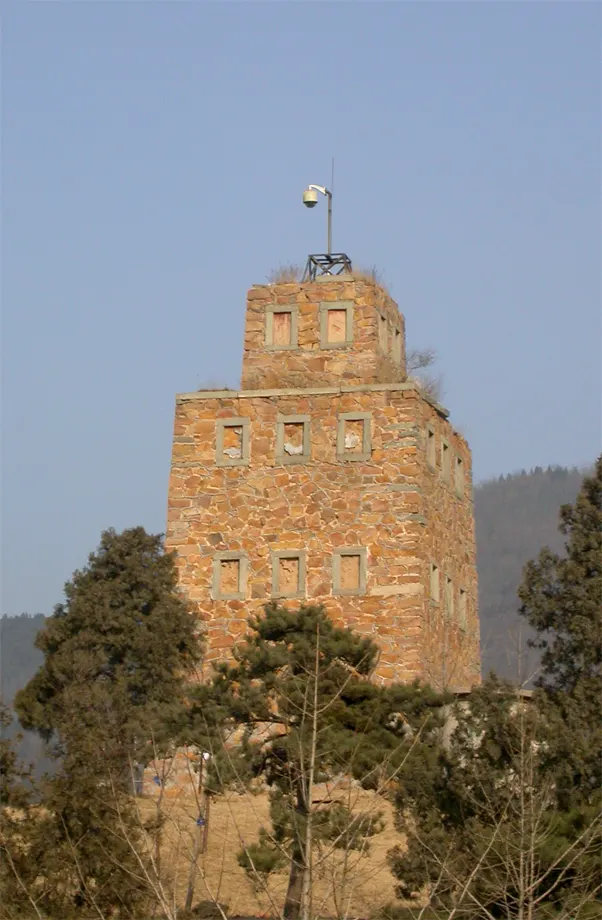
Today the province leads national GDP and holds nearly one hundred and thirty million residents, yet heritage thrives: UNESCO listed Cantonese opera jointly with Hong Kong and Macau in 2009, and Kaiping's eighteen hundred watchtower villas, built by returned overseas Chinese against bandits and floods, entered the World Heritage List in 2007.
Cultural Traditions
- 01
Morning Tea Ritual
"One pot, two dishes" dim sum service turns breakfast into hours-long social business.
- 02
Opera in the Round
Cantonese opera stages mix martial acrobatics with falsetto arias backed by gongs and gaohu fiddle.
- 03
Qilou Streets
Arcaded shop-house colonnades shade pedestrians through subtropical downpours.
Common Questions
Why is Cantonese opera special?
It blends narrative singing, combat choreography, and regional slang; UNESCO honoured it in 2009.
What are Kaiping diaolou?
Fortified villa towers mixing Romanesque arches with Chinese roofs, UNESCO-listed in 2007.
How long was Canton the only open port?
From 1757 to 1842, eighty-five years during which Western trade funnelled through its Thirteen Factories.
Watch & Learn
Oral Tradition
Stories & Legends
Narratives from the atlas graph that share origins, practitioners, or settings with this topic.