menu_book The Full Narrative
01
The Poet of Chu
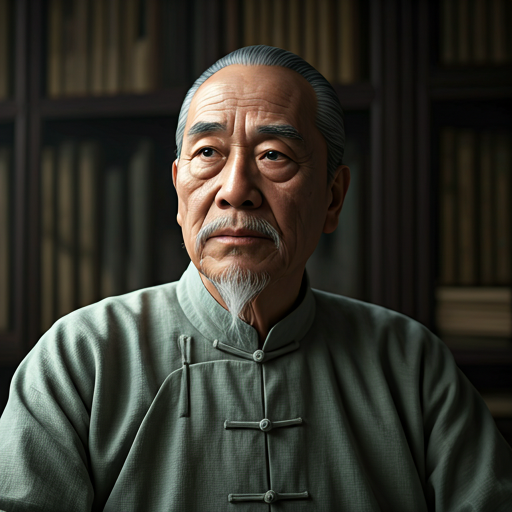
Qu Yuan was the first great poet of Chinese literature, author of the Li Sao and the Nine Songs. His verse is a torrent of political grief, mythological imagery, and exquisite beauty — the founding works of the Chuci, the Songs of the South. He is remembered as both poet and statesman, a man who gave his life to the state he loved.
02
The Race to Save Him
When Qu Yuan drowned, the fishermen of the Miluo raced out in their dragon boats, beating drums and splashing water to drive away fish and water dragons. The rescue attempt failed, but the ritual was born: every year since, on the fifth day of the fifth month, boats race and drums thunder in a reenactment of that desperate morning.
03
Zongzi and the Spirit World
The rice dumplings thrown into the river to nourish Qu Yuan's spirit became the festival food zongzi — glutinous rice wrapped in bamboo leaves, now in countless regional varieties. Sweet or savory, filled with red bean paste, pork, or egg yolk, every zongzi carries the memory of a poet and a people's grief.
04
Exile Verse Gave Poetry Its First Personal Voice
Qu Yuan's nine-year exile produced the Li Sao, a first-person lament of roughly 370 lines that remains the longest of the early poems. Its imagery of orchids, chariots drawn by dragons, and failed courts created the sao style, and Han scholars gathered his line and its successors into an anthology through the Han-dynasty Songs of Chu compilation. Every later Chinese poet who wrote grief in his own name worked inside a form Qu Yuan opened.
05
A Poet's Festival Enters World Law
In 2009 UNESCO inscribed the Dragon Boat Festival on the Representative List, the first Chinese festival so recognized, citing its calendar customs of racing and zongzi. A year earlier the state had returned the fifth day of the fifth month to the official public holiday calendar. The federation now steering the sport counts member associations across more than seventy countries, so the rescue flotilla launched on the Miluo has become a worldwide fleet.
06
The Poet Enters the World Canon
Qu Yuan's international standing is a twentieth-century construction layered onto the ancient story. In 1953 the World Peace Council named him among the year's four world cultural celebrities, putting the minister-poet on the same poster list as Dante and Copernicus just as the PRC sought cultural recognition abroad. Translations multiplied: David Hawkes's complete Songs of the South, published in 1959 from Oxford, remains the standard English rendering of the Chuci corpus attributed to Qu Yuan's circle. The Duanwu festival rode this canonization into global calendars, and modern observances now include poetry recitation contests held beside the races, a pairing local schools treat as curriculum rather than entertainment. Literary historians debate how much biography the poems support, but the civic use is settled. The racing tradition itself carries his name into villages that have never read a line of the dragon boat memory it commemorates.