
Liu Lanfang
刘兰芳
Liu Lanfang is China's most famous Pingshu storyteller, known for her epic narration of martial arts sagas and historical romances on national radio. Her rendition of "The Generals of the Yang Family"…
Liu Lanfang is China's most famous Pingshu storyteller, known for her epic narration of martial arts sagas and historical romances on national radio. Her rendition of "The Generals of the Yang Family" reached hundreds of millions of listeners, and she has served as president of the Chinese Quyi Artists Association.
Heritage DNA
Classification
National Inheritor
Status
active
Year of Birth
1944
Age
82 years
Location
Beijing
Region
North China
Next Master
Li Xiangting
李祥霆
See the Craft
in Motion
The Cultural Network
Heritage is not a static artifact; it is a living web. Our mapping engine traces the cross-pollination of techniques across three millennia, revealing how Liu's thread vibrates through the broader tapestry.
Territories of
Heritage
Geography shapes identity. Journey through the historical corridors that defined a civilization, from the arid Silk Road to the lush Tea Horse Road.
Beijing
North China
The Living Masters
The true archive of heritage is found in the hands and minds of those who refuse to let the fire die out.
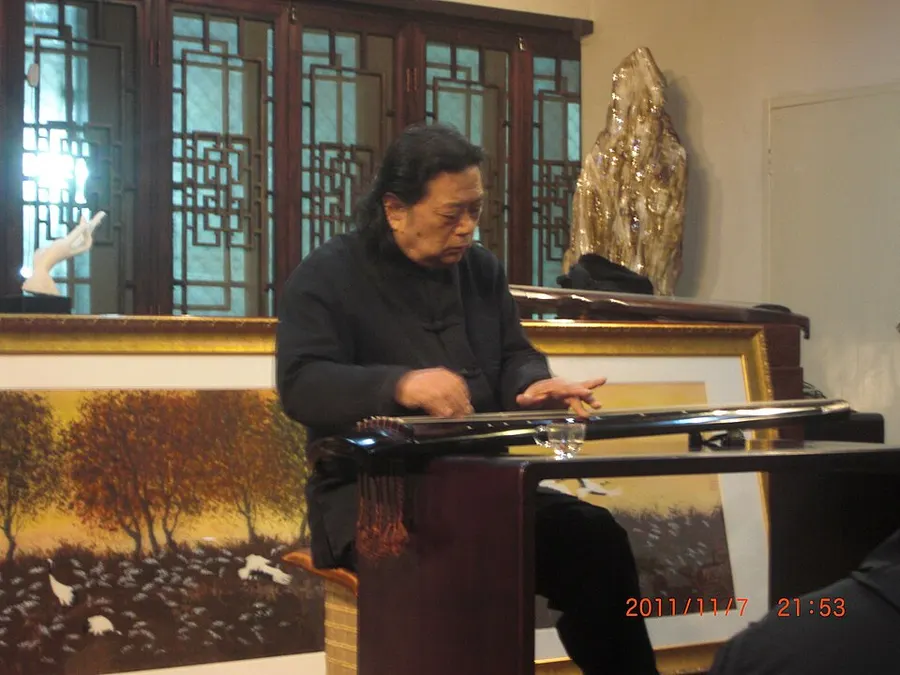
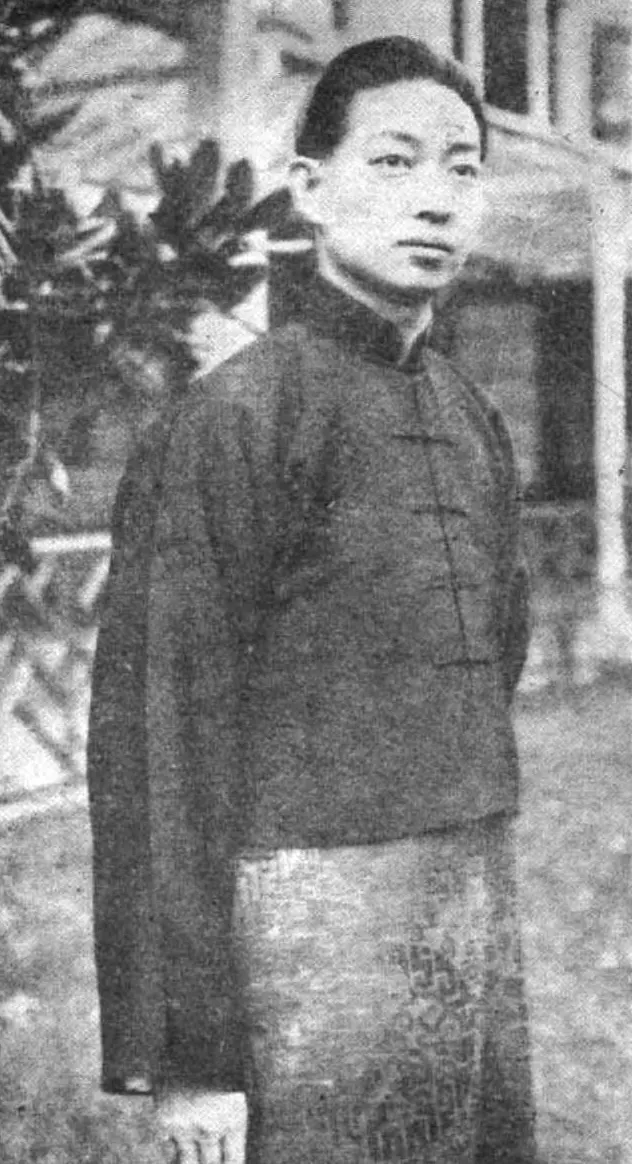
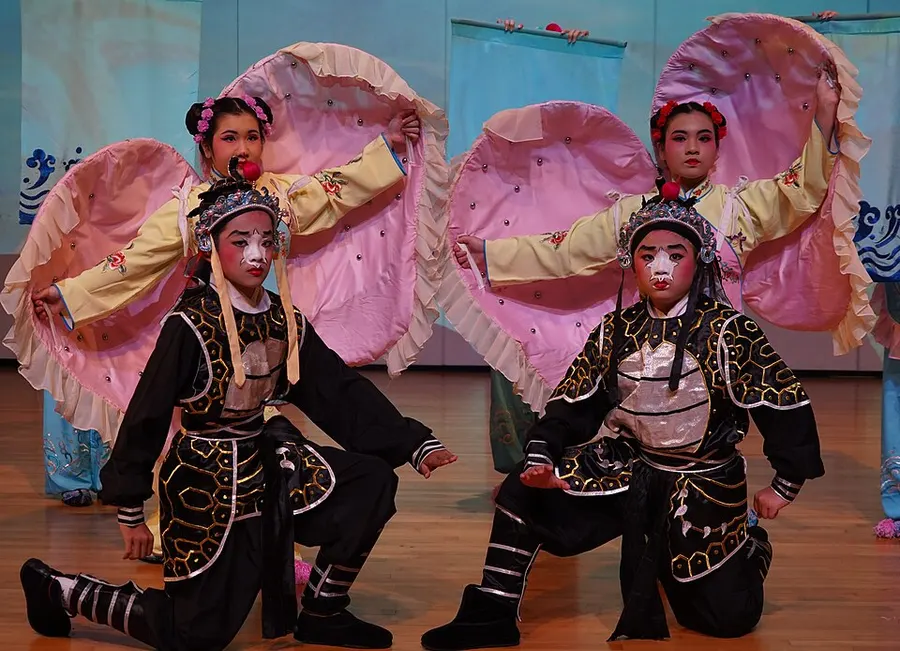
How Liu Lanfang connects to the broader network of heritage.
The Atlas is Living
Every master is a living archive. Join a collective of explorers, artisans, and scholars dedicated to tracing the vibrant pulse of our shared world.
History & Development
Pingshu storytelling reached a mass-media milestone when Liu Lanfang's serial narration of The Legend of Yue Fei aired over Anshan radio in 1979, and within two years more than a hundred stations rebroadcast the cycle to an estimated audience in the hundreds of millions, reviving a marketplace art through broadcast waves.
Her delivery codified the pingshu toolkit — character voice separation, cliffhanger kouzi pauses, prop-free battle visualization — and as a national-level bearer she helped institutionalize storytelling chairs in radio, television, and festival circuits nationwide.
Cultural Traditions
-
Cliffhanger Kouzi Design
Episodes end mid-crisis at engineered suspension points, a retention device perfected in teahouse economics and carried intact into broadcasting schedules.
-
One-Man Battle Staging
Solo narrators voice armies — horse hooves, weapon clashes, general shouts — using fan, gavel, and posture shifts as the only staging tools.
-
Fixed-Formula Description Passages
Canonical set-piece descriptions for armor, steeds, and battlefield geography are memorized verbatim, then customized per story to speed live composition.
Common Questions
Why did radio revive a teahouse art?
Serial scheduling matched pingshu's native episode structure, and pingshu storytelling filled broadcast hours with zero production cost beyond one voice.
Do storytellers write their own scripts?
Performers adapt published novels and oral canons, annotating personal scripts with delivery cues rather than composing text wholesale.