
Chen Guoliang
陈国良
Chen Guoliang is a master of traditional bone setting (zhenggu) from Beijing. A fourth-generation practitioner, he has treated over 100,000 patients using manual manipulation and herbal plasters. He…
Chen Guoliang is a master of traditional bone setting (zhenggu) from Beijing. A fourth-generation practitioner, he has treated over 100,000 patients using manual manipulation and herbal plasters. He serves as chief physician of orthopedics at the China Academy of Chinese Medical Sciences and has published definitive textbooks on traditional bone setting techniques.
Heritage DNA
Classification
National Inheritor
Status
active
Year of Birth
1954
Age
72 years
Location
Beijing
Region
North China
Next Master
Li Xiangting
李祥霆
See the Craft
in Motion
The Cultural Network
Heritage is not a static artifact; it is a living web. Our mapping engine traces the cross-pollination of techniques across three millennia, revealing how Chen's thread vibrates through the broader tapestry.
Territories of
Heritage
Geography shapes identity. Journey through the historical corridors that defined a civilization, from the arid Silk Road to the lush Tea Horse Road.
Beijing
North China
The Living Masters
The true archive of heritage is found in the hands and minds of those who refuse to let the fire die out.
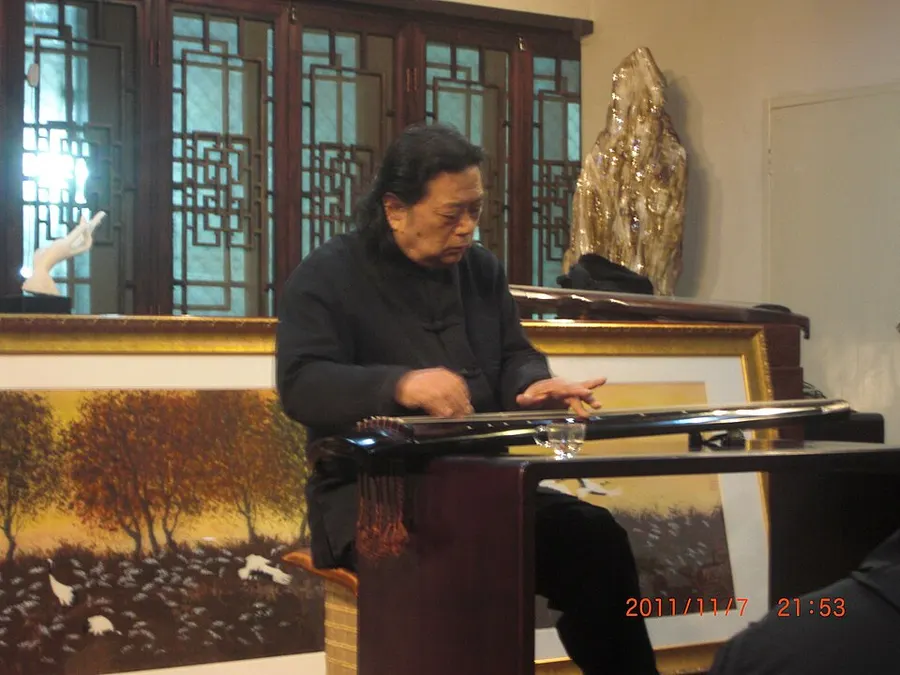
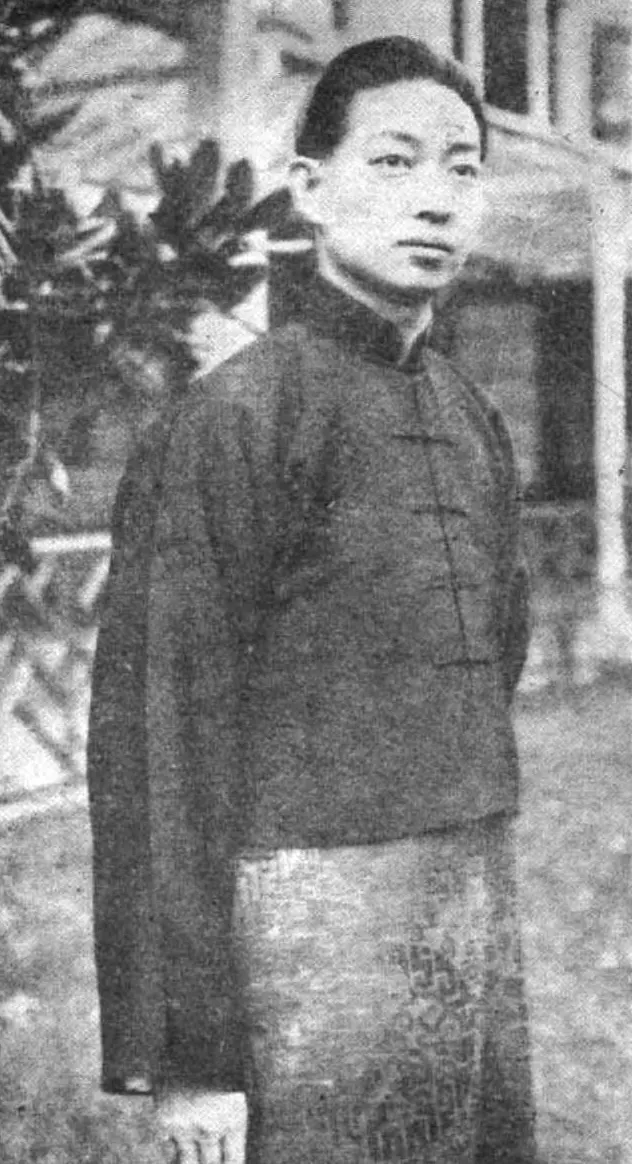
How Chen Guoliang connects to the broader network of heritage.
The Atlas is Living
Every master is a living archive. Join a collective of explorers, artisans, and scholars dedicated to tracing the vibrant pulse of our shared world.
History & Development
Chinese bone-setting (zhenggu) is the manual medicine branch that resets fractures and dislocations through palpation diagnosis, snap manipulation, and small-splint immobilization, practices codified in imperial manuals such as the Yuan-era Yinxiao Fang and transmitted through family clinics ever since.
National-level recognition lists bone-setting among the medical heritage elements, and bearers including Chen Guoliang maintain clinic lineages where students learn fracture reading by fingertip before touching imaging reports, preserving a diagnostic order that complements rather than competes with hospital radiology referrals.
Cultural Traditions
-
Palpation Diagnosis Order
Practitioners trace bone edges with staged finger pressure to locate displacement direction before any thrust, mapping injury type to a named manipulation.
-
Snap Reduction Technique
Specific audible-endpoint maneuvers realign joints using leverage angles calibrated to limb segment length rather than raw force.
-
Small-Splint Modular Fixing
Local splints bound with cloth tape allow micro-movement that prevents joint stiffness, reviewed and retightened on a three-day adjustment cycle.
Common Questions
How does zhenggu relate to hospital orthopedics?
Chinese bone-setting clinics handle closed reductions and sprains while routing open fractures to surgical care, a triage division formalized in modern practice standards.
Does splint treatment suit children?
Pediatric greenstick fractures respond well to modular splinting precisely because growth-stage bones remodel under gentle continuous alignment.