Traditional Medicine
Beijing, North China
Tang Dynasty (618–907 CE)
National Heritage
Lineage Transmission
Chinese Bone Setting (Zhenggu)
Chinese Bone Setting
"A hands-on orthopedic tradition using manipulation, herbal plasters, and splinting — healing bones through touch and nature."
CIVILIZATION CONTEXT
This artifact is part of the Intangible Heritage Cluster. It connects to 8 entities across the atlas, spanning 1 region, 1 master, 0 festivals, and 1 skill.
Chinese Bone Setting: A Living Heritage
Chinese bone setting (zhenggu) is a traditional orthopedic practice that uses manual manipulation, herbal plasters, and splinting to treat fractures and dislocations. Practitioners develop extraordinary tactile sensitivity through years of apprenticeship, able to detect misalignments through touch alone. The technique emphasizes minimal immobilization to prevent muscle atrophy, with herbal formulas accelerating healing. It remains widely practiced in Chinese hospitals alongside modern orthopedics.
1119+
Years of Unbroken Lineage
1
Related Cultural Vectors
History & Development
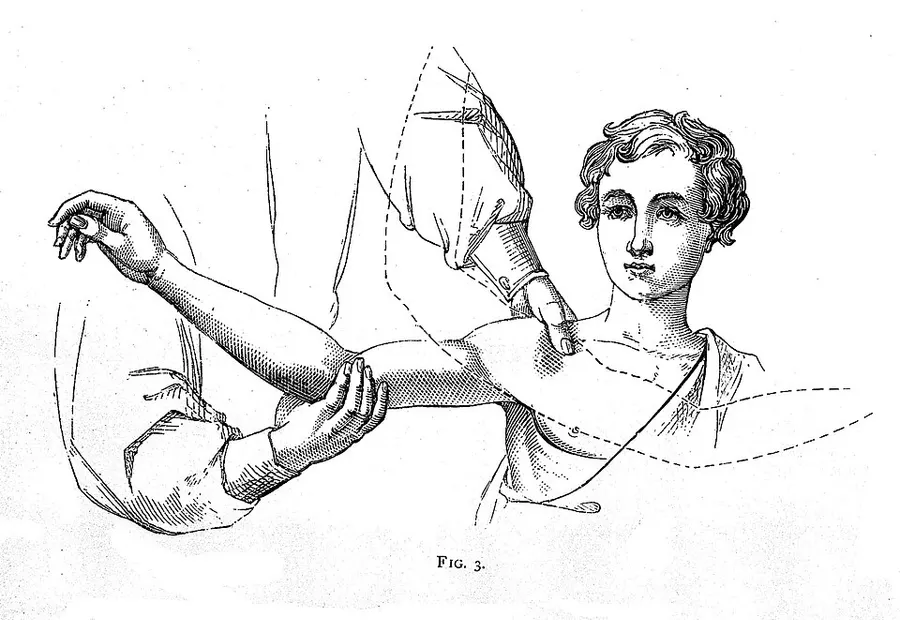
Chinese bone setting reduces fractures and dislocations by hand, splinting limbs with small wooden boards bound by cloth instead of encasing casts. The Yuan-dynasty manual Effective Medical Formulas of 1345 illustrated suspending patients upside down to reset spines, documenting manipulation standards centuries ahead of European practice.
Hospital orthopaedics now pairs these manipulations with X-ray verification, and teaching hospitals preserve lineage methods through named schools. Practitioners prize feeling the fracture ends click into place, reading progress through fingertip feedback that imaging alone cannot supply.
How It Is Made
- 01
Reading the injury
Palpation maps swelling, crepitus, and deformity before any move, distinguishing stable cracks from displaced breaks needing reduction.
- 02
Reducing by manipulation
Trained pulls and rotations coax fragments into line in seconds, often with one assistant counter-traction rather than machinery.
- 03
Splinting with boards
Slim wooden slats tie over padding at intervals, holding alignment while joints above and below stay mobile, preventing stiffness.
- 04
Guiding recovery
Weekly adjustments tighten bindings and stage exercises, restoring motion as callus forms under the splints.
Common Questions
Why boards instead of casts?
Segmented splints allow circulation checks and early joint movement, which practitioners credit for faster functional recovery once the bone knits.
Does it replace surgery?
Not always; open fractures and unstable patterns go to operating theatres, while many closed simple fractures resolve well under skilled manual care.
How do hands learn this?
Apprenticeships stress hundreds of supervised reductions before solo work, with palpation skills deepened alongside tuina bodywork training and case study drawn from the TCM wisdom story.
Watch & Learn
Stories & Legends
Acupuncture: The Map of Energy
historicalThin needles, deep wisdom: the 2,000-year-old map of meridians.
Skills & Techniques
Chinese Bone Setting (Zhenggu) expand_more
A traditional orthopedic practice using manual manipulation, herbal plasters, and bamboo splints to treat fractures and dislocations.
Steps
- Assess the injury through visual inspection and palpation
- Gently manipulate the bone or joint back into alignment
- Apply a freshly prepared herbal plaster to reduce swelling
- Wrap with cotton padding and apply bamboo or wooden splints
- Adjust splints after 3–5 days as swelling subsides
- Prescribe herbal decoctions to accelerate bone healing
- Guide the patient through graded rehabilitation exercises
Tools
palpation cloth, bamboo splints, cotton bandage, herbal mortar, medicine pot
Materials
herbal plaster ingredients (Dipsacus, Carthamus, myrrh), bamboo strips, cotton cloth, medicinal herbs
Related Places
Generations Preserved
Chen Guoliang
Chen Guoliang is a master of traditional bone setting (zhenggu) from Beijing. A fourth-generation practitioner, he has treated over 100,000 patients using manual manipulation and herbal plasters. He s...
Relationship Constellation
Tracing the invisible threads that connect Chinese Bone Setting to the broader civilization ecosystem.
Continue the Journey
Chinese Bone Setting
Traditional Medicine
Traditional Qigong
Traditional Medicine
arrow_forwardChinese Dietary Therapy
Traditional Medicine
arrow_forwardDongyang Wood Carving
Traditional Crafts
arrow_forward