Traditional Medicine
Beijing, North China
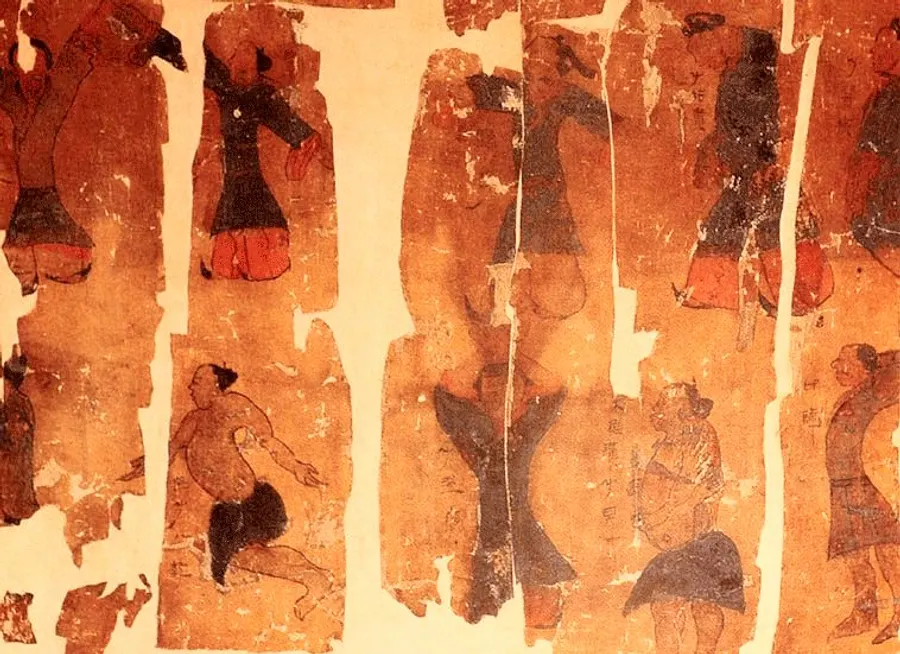
Warring States period (5th–3rd century BCE), documented in Ma Wang Dui texts
National Heritage
Lineage Transmission
Oral Tradition
Traditional Qigong
"A mind-body practice combining movement, breath, and meditation — China's comprehensive system for cultivating life energy (qi)."
CIVILIZATION CONTEXT
This artifact is part of the Intangible Heritage Cluster. It connects to 7 entities across the atlas, spanning 1 region, 0 masters, 0 festivals, and 0 skills.
Traditional Qigong: A Living Heritage
Qigong is a system of coordinated body posture, movement, breathing, and meditation used for health, spirituality, and martial arts training. With roots in ancient Chinese medicine, Taoist practice, and Buddhist meditation, qigong encompasses thousands of exercises. Major forms include Medical Qigong (for healing), Dao Yin (guiding energy), and Neigong (internal cultivation). Regular practice is believed to cultivate and balance qi (life energy) flowing through the body's meridians.
Centuries
Years of Unbroken Lineage
0
Related Cultural Vectors
History & Development
Qigong coordinates posture, breath, and focused intention to cultivate qi, drawing on Daoist longevity arts, Buddhist breathing methods, and martial conditioning. The Eight Pieces of Brocade appear in Song-dynasty records, the Yijing Muscle Change Classic carries Shaolin attribution, and household morning exercise kept the sequences alive for a millennium.
The modern term qigong spread in the 1950s when physician Liu Guizhen opened breathing-therapy clinics, and state committees later standardised health forms broadcast nationwide. Millions practise daily, and while taijiquan earned its own UNESCO listing in 2020, qigong remains the broader umbrella art those slow-motion systems share.
How It Is Made
- 01
Regulating the body
Practice opens by aligning spine, softening shoulders, and rooting the stance, since crooked structure blocks the flow later stages seek.
- 02
Regulating the breath
Breath slows into long abdominal waves, synchronised with movement so each lift expands and each settle releases.
- 03
Regulating the mind
Attention settles on the lower abdomen, quieting scattered thought, a focus teachers compare to tuning an instrument before playing.
- 04
Running the sequences
Forms such as the Eight Pieces of Brocade stretch meridians in order, each repetition refined by internal sensing rather than speed.
Common Questions
Is qigong religious?
It borrows vocabulary from Daoist and Buddhist cultivation but functions as secular health exercise for most practitioners worldwide.
How does it relate to tai chi?
Taijiquan is a martial art built on qigong principles, adding fighting applications and partner work to the health foundation.
Where did the forms originate?
Monasteries and martial villages developed the classics, including routines linked to the Shaolin temple tradition, before twentieth-century committees standardised teaching versions.
Watch & Learn
Stories & Legends
Medicine Without Borders: TCM's Ancient Wisdom
historicalA system of medicine that views the human body as a microcosm of the universe.
Tai Chi: From Martial Art to Global Meditation
historicalA fighting technique from a remote village became a global phenomenon.
Related Places
Relationship Constellation
Tracing the invisible threads that connect Traditional Qigong to the broader civilization ecosystem.
Continue the Journey
Traditional Qigong
Traditional Medicine
Chinese Dietary Therapy
Traditional Medicine
arrow_forwardThangka Painting
Traditional Crafts
arrow_forwardChinese Bone Setting
Traditional Medicine
arrow_forward