
Wang Ju
王菊
Wang Ju is a TCM diagnostics specialist from Beijing, renowned for her expertise in pulse diagnosis and tongue examination. A chief physician at the China Academy of Chinese Medical Sciences, she has…
Wang Ju is a TCM diagnostics specialist from Beijing, renowned for her expertise in pulse diagnosis and tongue examination. A chief physician at the China Academy of Chinese Medical Sciences, she has trained hundreds of TCM practitioners and published widely on the classical four diagnostic methods.
Heritage DNA
Classification
National Inheritor
Status
active
Year of Birth
1955
Age
71 years
Location
Beijing
Region
North China
Next Master
Li Xiangting
李祥霆
See the Craft
in Motion
The Cultural Network
Heritage is not a static artifact; it is a living web. Our mapping engine traces the cross-pollination of techniques across three millennia, revealing how Wang's thread vibrates through the broader tapestry.
Territories of
Heritage
Geography shapes identity. Journey through the historical corridors that defined a civilization, from the arid Silk Road to the lush Tea Horse Road.
Beijing
North China
The Living Masters
The true archive of heritage is found in the hands and minds of those who refuse to let the fire die out.
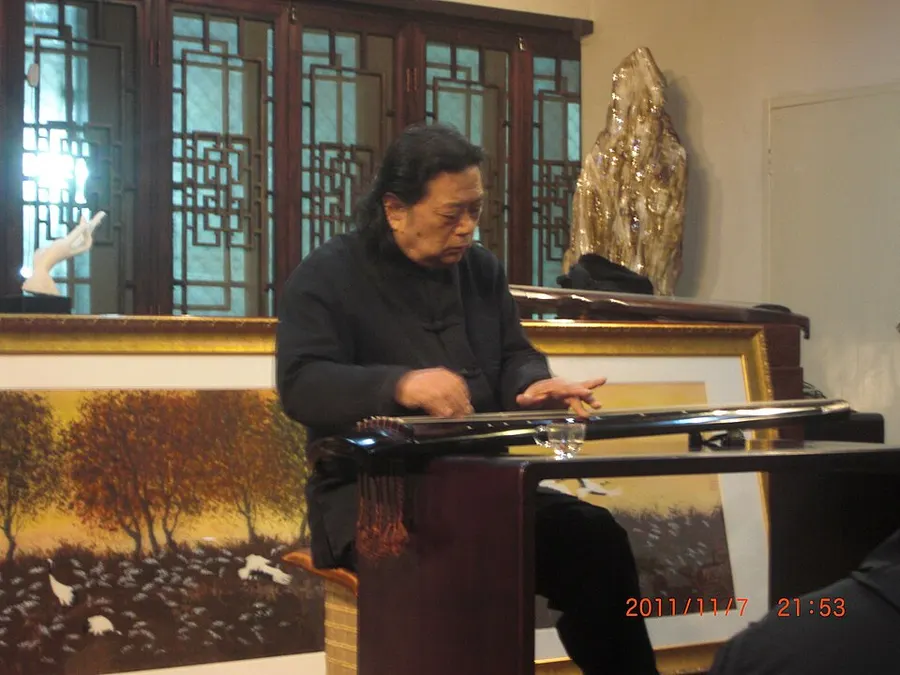
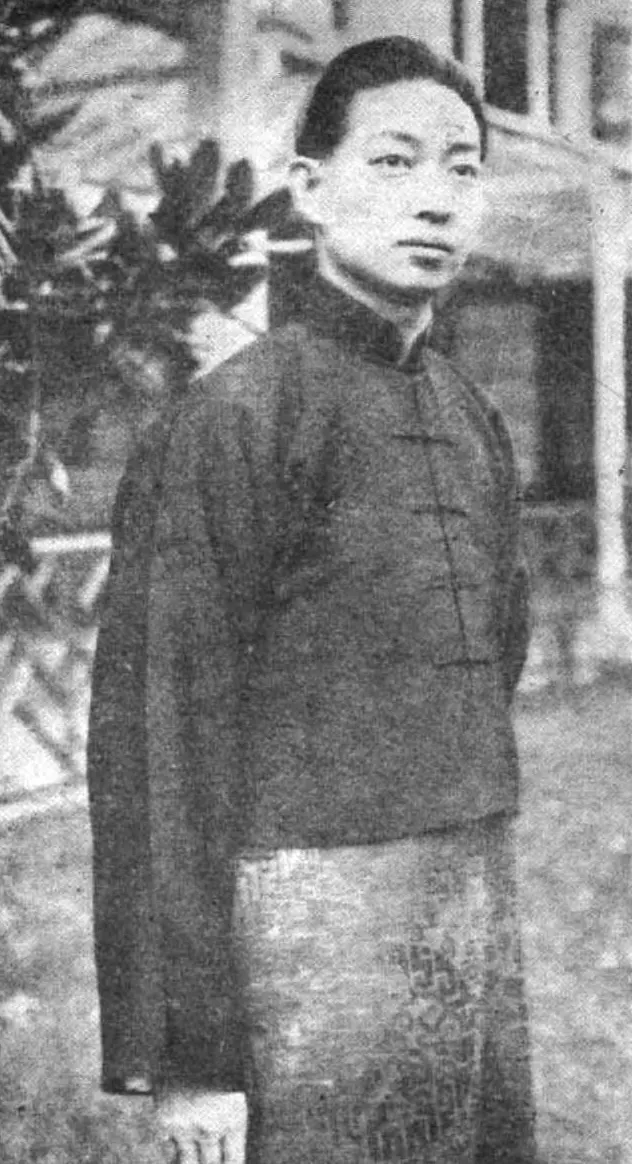
How Wang Ju connects to the broader network of heritage.
The Atlas is Living
Every master is a living archive. Join a collective of explorers, artisans, and scholars dedicated to tracing the vibrant pulse of our shared world.
History & Development
TCM diagnostics organizes clinical reasoning around four examinations — looking, listening-smelling, asking, and touching — whose findings synthesize into pattern differentials such as wind-heat or spleen deficiency, a logic canonized in the Han-dynasty Classic of Difficult Issues and refined through dynasty-spanning case literature.
Pulse-taking scholarship alone fills libraries, distinguishing dozens of felt qualities at three wrist positions mapped to organ systems, and national-level bearers including Wang Ju teach the tactile canon through supervised clinic repetition now embedded in university TCM curricula worldwide.
Cultural Traditions
-
Three-Position Pulse Mapping
Finger depths at cun, guan, and chi wrist positions sample paired organ systems, with floating, sinking, rapid, and slow qualities forming the diagnostic alphabet.
-
Tongue Body and Coat Reading
Color, moisture, shape, and coating texture photograph the interior state, cross-checked against pulse findings before any pattern is named.
-
Pattern Differential Synthesis
Symptom clusters resolve into named patterns that dictate herbal formulas and acupuncture points, making diagnosis the hinge between examination and treatment.
Common Questions
Can pulse diagnosis be learned from books?
Texts describe qualities, but TCM diagnostics teachers insist on thousands of supervised wrist repetitions before students trust their own fingertip categories.
How does pattern diagnosis coexist with lab tests?
Integrated hospitals run both in parallel — labs monitor biomedical markers while pattern differentiation guides individualized formula selection and adjustment.