Traditional Medicine
Beijing, North China
Warring States period (5th–2nd century BCE)
National Heritage
Lineage Transmission
TCM Four Diagnostic Methods
TCM Four Diagnostic Methods
"The four foundational TCM diagnostic pillars — inspection, listening, inquiry, and pulse palpation — codified over 2,000 years ago."
CIVILIZATION CONTEXT
This artifact is part of the Intangible Heritage Cluster. It connects to 9 entities across the atlas, spanning 1 region, 1 master, 0 festivals, and 1 skill.
TCM Four Diagnostic Methods: A Living Heritage
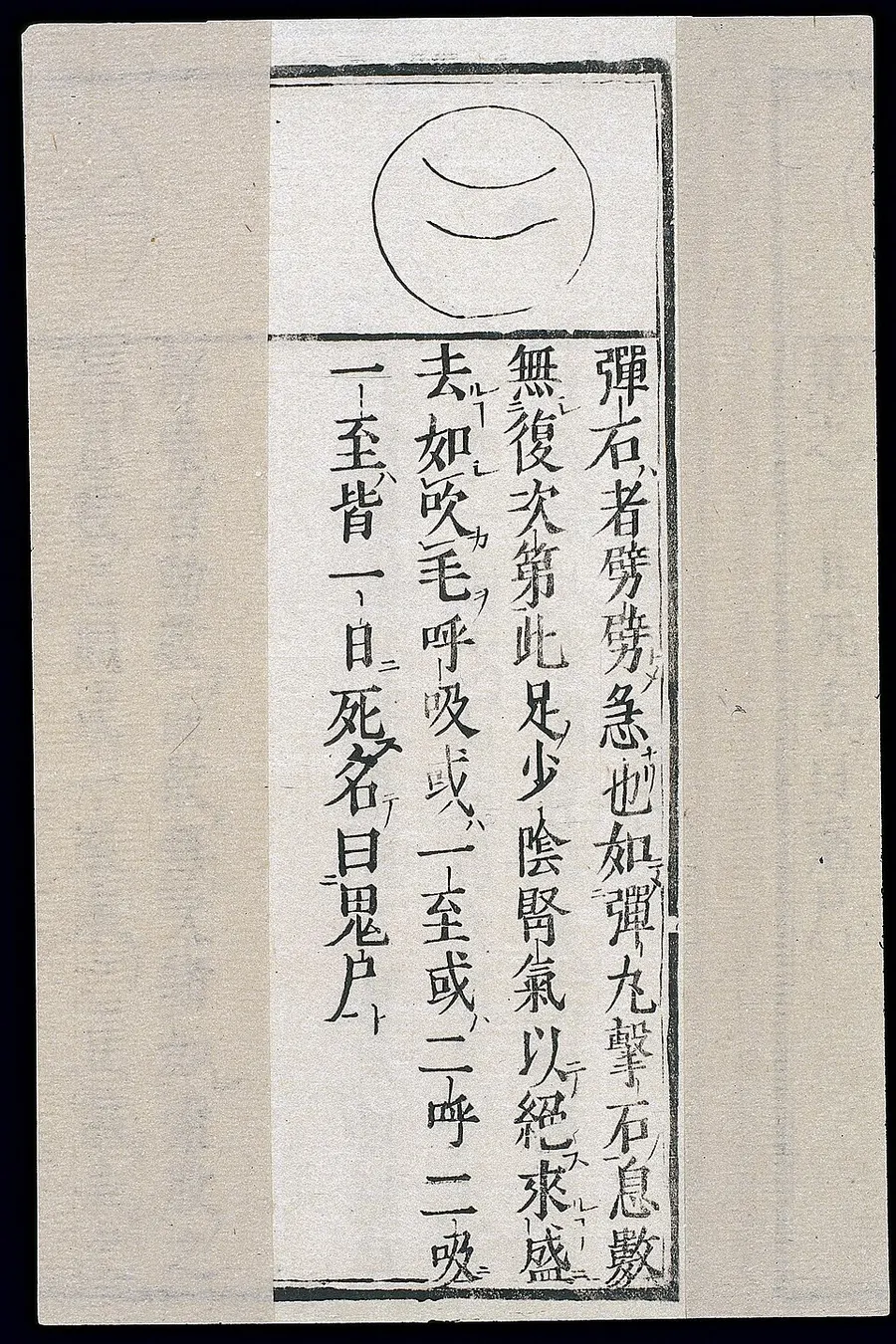
The four diagnostic methods of Traditional Chinese Medicine — inspection, listening/smelling, inquiry, and pulse palpation — form the foundation of TCM clinical practice. Inspection (wang) observes the tongue, complexion, and body posture. Listening and smelling (wen) assess voice quality, breathing, and body odors. Inquiry (wen) gathers symptoms, history, and lifestyle details. Palpation (qie) includes pulse diagnosis and abdominal examination. This comprehensive system was codified during the Warring States period.
Centuries
Years of Unbroken Lineage
1
Related Cultural Vectors
History & Development
Chinese medicine diagnoses through four examinations: inspection of tongue and complexion, listening and smelling, structured inquiry, and pulse palpation at six wrist positions. Legend credits the physician Bian Que with pulse reading around the fifth century BCE, and the Classic of Difficulties codified the positions students still learn finger by finger.
Tongue diagnosis gained its own illustrated manual with Ao's Golden Mirror of 1341, mapping organ zones across the tongue surface. Findings combine into patterns rather than disease names, and universities worldwide now teach the framework alongside biomedical examination in dual-degree programmes.
How It Is Made
- 01
Inspecting the tongue
Body colour, shape, and coating map moisture, heat, and digestion, photographed today against daylight standards for consistency between clinicians.
- 02
Listening and smelling
Voice strength, breathing quality, and odours signal deficiency or excess before a single question is asked.
- 03
Taking the pulse
Three fingers read deep, middle, and superficial qualities at each wrist position, comparing rates, widths, and tension across twenty-eight classical qualities.
- 04
Differentiating the pattern
Findings merge into syndromes such as liver qi stagnation or spleen qi deficiency, the conclusion that directs any prescription, needle plan, or dietary advice drawn from herbal pharmacology.
Common Questions
Why no blood tests?
The system reads functional patterns from external signs; many clinics order lab work too, but prescriptions still key off the pattern, not the panel.
How reliable is pulse reading?
Inter-rater studies show moderate agreement, which is why schools drill hundreds of wrists under supervision and pair findings with tongue and inquiry.
What follows diagnosis?
A pattern leads to formula, acupuncture points selected through channel theory, or food guidance, all aimed at restoring balance rather than attacking a single symptom.
Watch & Learn
Stories & Legends
Medicine Without Borders: TCM's Ancient Wisdom
historicalA system of medicine that views the human body as a microcosm of the universe.
Acupuncture: The Map of Energy
historicalThin needles, deep wisdom: the 2,000-year-old map of meridians.
Skills & Techniques
TCM Four Diagnostic Methods expand_more
The four-pillar diagnostic system of Traditional Chinese Medicine: inspection, listening/smelling, inquiry, and palpation for clinical assessment.
Steps
- Begin with inspection (wang) — examine the tongue body, coating, complexion, and posture
- Perform listening and smelling (wen) — assess voice quality, breathing sounds, and body odors
- Conduct inquiry (wen) — ask about main complaint, medical history, appetite, sleep, and bowel habits
- Execute pulse palpation (qie) — feel the radial pulse at three positions and three depths
- Synthesize the four diagnostic findings into a TCM pattern differentiation
- Formulate the treatment principle based on the identified pattern
Tools
pulse pillow, tongue depressor, diagnostic chart, medical records brush
Materials
xuan paper, ink, herbal reference texts (Bencao)
Related Places
Generations Preserved
Wang Ju
Wang Ju is a TCM diagnostics specialist from Beijing, renowned for her expertise in pulse diagnosis and tongue examination. A chief physician at the China Academy of Chinese Medical Sciences, she has ...
Relationship Constellation
Tracing the invisible threads that connect TCM Four Diagnostic Methods to the broader civilization ecosystem.
Continue the Journey
TCM Four Diagnostic Methods
Traditional Medicine
Guasha Scraping Therapy
Traditional Medicine
arrow_forward