
Zhang Fang
张芳
Zhang Fang is a master of Chinese New Year woodblock print making (nianhua) from Yangliuqing, Tianjin. A fifth-generation print artist, she carves pear wood blocks and prints using traditional mineral…
Zhang Fang is a master of Chinese New Year woodblock print making (nianhua) from Yangliuqing, Tianjin. A fifth-generation print artist, she carves pear wood blocks and prints using traditional mineral pigments. She has revived lost patterns by studying Ming and Qing dynasty prints in museum collections and trains apprentices at the Yangliuqing Nianhua Museum.
Heritage DNA
Classification
National Inheritor
Status
active
Year of Birth
1967
Age
59 years
Location
Beijing
Region
North China
Next Master
Li Xiangting
李祥霆
See the Craft
in Motion
The Cultural Network
Heritage is not a static artifact; it is a living web. Our mapping engine traces the cross-pollination of techniques across three millennia, revealing how Zhang's thread vibrates through the broader tapestry.
Territories of
Heritage
Geography shapes identity. Journey through the historical corridors that defined a civilization, from the arid Silk Road to the lush Tea Horse Road.
Beijing
North China
The Living Masters
The true archive of heritage is found in the hands and minds of those who refuse to let the fire die out.
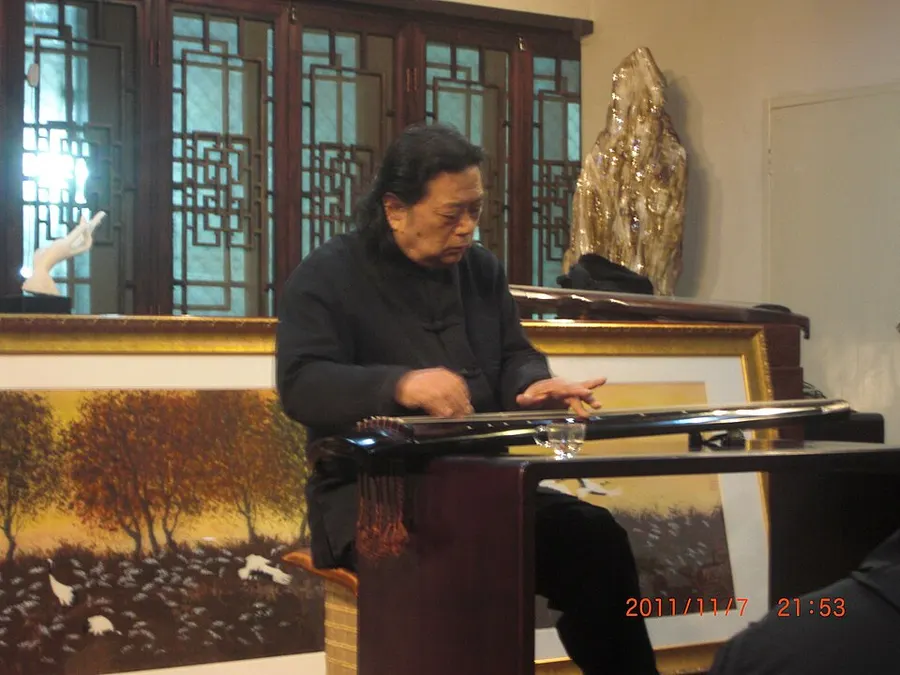
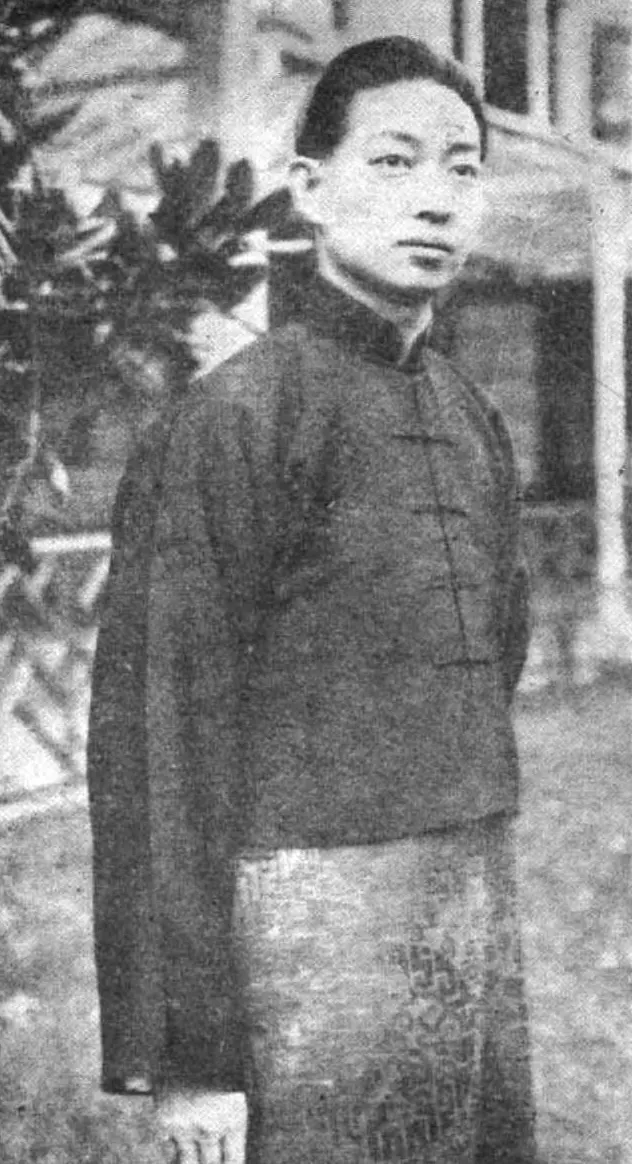
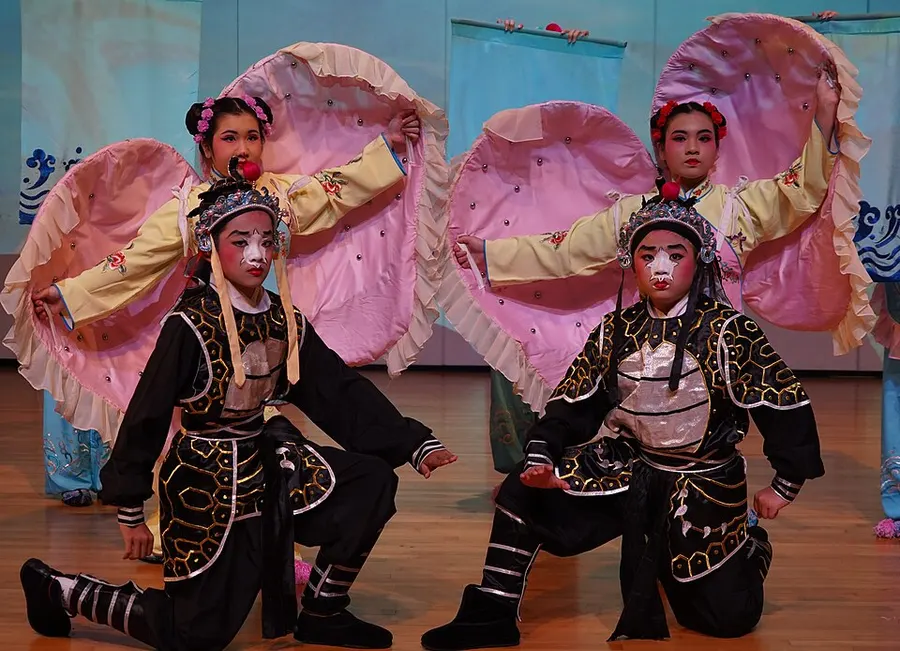
How Zhang Fang connects to the broader network of heritage.
The Atlas is Living
Every master is a living archive. Join a collective of explorers, artisans, and scholars dedicated to tracing the vibrant pulse of our shared world.
History & Development
New Year print production at Yangliuqing, west of Tianjin, matured during the Ming dynasty into China's most commercially successful woodblock print center, combining ink-pressed outlines with hand-applied color washes in the ban-yin shou-hui half-print half-paint method. At its Qing dynasty peak, the town supported hundreds of workshops supplying North China households each lunar new year.
National-level bearers like Zhang Fang sustain the full sequence — pear-wood block carving, water-based printing, and face-and-hands finishing brushwork — under a national list listing that recognizes Yangliuqing prints among China's earliest intangible heritage designations in 2006.
Cultural Traditions
-
Pear-Wood Block Carving
Grain-tight pear wood holds hairline contour cuts for decades of reprinting, with each color requiring its own precisely registered block.
-
Half-Print Half-Paint Finishing
Printed outlines receive brushed skin tones and garment gradients applied freehand, making every finished sheet subtly singular despite shared blocks.
-
Auspicious Code Vocabulary
Motifs encode homophone blessings — fish for surplus, bats for fortune — read instantly by festival buyers trained in the visual pun system.
Common Questions
How do Yangliuqing prints differ from other regional schools?
New Year print centers vary in palette and subject, but Yangliuqing's signature remains delicate courtly figures finished by hand rather than flat poster-style color.
Are antique blocks still printing?
Museum workshops reprint from Qing-era blocks for study collections, while contemporary carvers cut replacement blocks when originals wear past registration tolerance.