
Zhang Yu
张宇
Zhang Yu is a master calligrapher and seal engraver from Beijing, recognized for his mastery of all five script styles. A professor at the China Academy of Art, he has exhibited works in over 20…
Zhang Yu is a master calligrapher and seal engraver from Beijing, recognized for his mastery of all five script styles. A professor at the China Academy of Art, he has exhibited works in over 20 countries. Zhang is known for reviving the Tang Dynasty "crazy cursive" (kuangcao) style and has authored several books on calligraphy theory.
Heritage DNA
Classification
National Inheritor
Status
active
Year of Birth
1956
Age
70 years
Location
Beijing
Region
North China
Next Master
Li Xiangting
李祥霆
See the Craft
in Motion
The Cultural Network
Heritage is not a static artifact; it is a living web. Our mapping engine traces the cross-pollination of techniques across three millennia, revealing how Zhang's thread vibrates through the broader tapestry.
Territories of
Heritage
Geography shapes identity. Journey through the historical corridors that defined a civilization, from the arid Silk Road to the lush Tea Horse Road.
Beijing
North China
The Living Masters
The true archive of heritage is found in the hands and minds of those who refuse to let the fire die out.
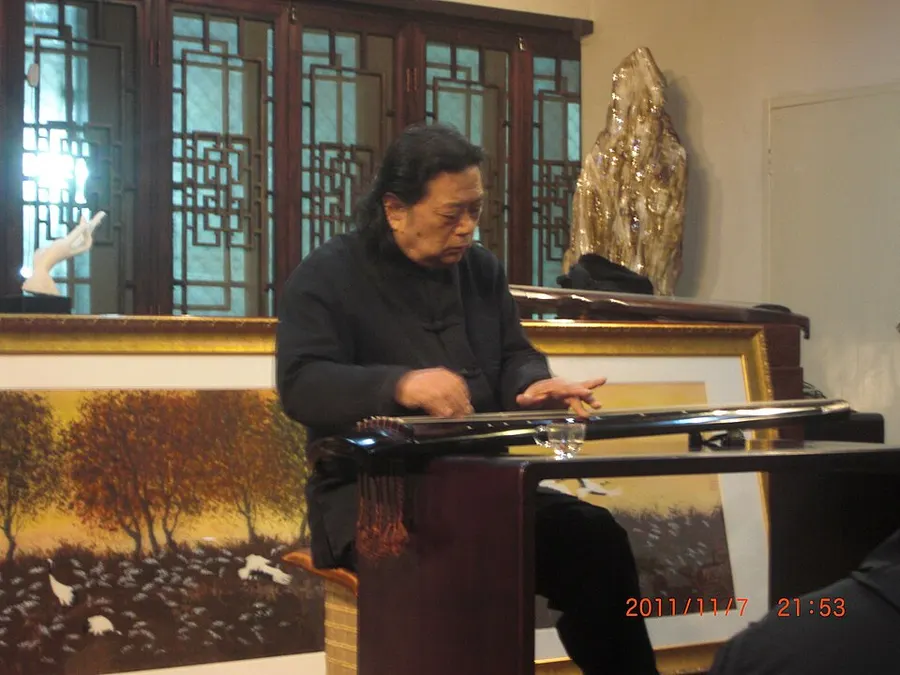
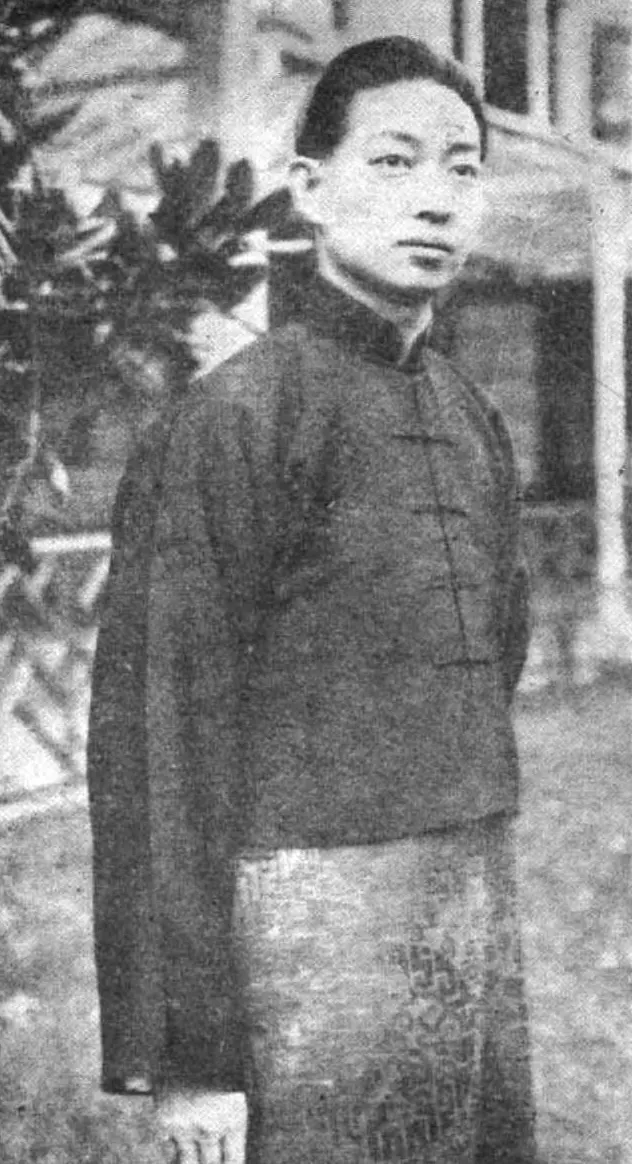
How Zhang Yu connects to the broader network of heritage.
The Atlas is Living
Every master is a living archive. Join a collective of explorers, artisans, and scholars dedicated to tracing the vibrant pulse of our shared world.
History & Development
Zhang Yu bears Chinese calligraphy as practiced in Beijing's orthodox academy lineage. Calligraphy ranks as China's supreme visual art, evaluated by stroke vitality, compositional balance, and the visible record of the writer's cultivated character, criteria codified during the Jin-Tang periods and debated ever since.
Training progresses through the five script styles, beginning with regular-script model-copying of Tang masters and advancing toward running and cursive freedom. Zhang Yu's teaching emphasizes the copy-to-create transition, the decisive passage where technical mastery becomes personal expression, a threshold most learners never cross.
Cultural Traditions
-
Model Copying Discipline
Students reproduce masterworks stroke by stroke for years, learning ink load, brush angle, and entry-exit movements before attempting independent composition.
-
Five Script Progression
Seal, clerical, regular, running, and cursive scripts each impose distinct rhythm constraints, and serious artists maintain competence across several.
-
Stele versus Tie Learning
Rubbing-based stele study and manuscript-based tie study offer competing aesthetics, and Beijing academies historically favored tie lineages emphasizing fluid brushwork.
Common Questions
Why is calligraphy considered harder than painting?
No revision exists; each stroke commits ink irreversibly, and calligraphy criticism judges the writer's character through minute pressure variations.
How long until meaningful originality emerges?
Traditional pedagogy estimates decades, with masters warning that premature stylistic invention calcifies flaws instead of developing voice.