
Li Zhi
李志
Li Zhi is a master of Kuaiban (clapper talk) from Beijing, renowned for his extraordinary tongue speed and satirical wit. A protégé of the Kuaiban tradition, he has performed at major national galas…
Li Zhi is a master of Kuaiban (clapper talk) from Beijing, renowned for his extraordinary tongue speed and satirical wit. A protégé of the Kuaiban tradition, he has performed at major national galas and trains young performers at the Beijing Quyi Troupe, keeping the rapid-fire folk art alive.
Heritage DNA
Classification
National Inheritor
Status
active
Year of Birth
1968
Age
58 years
Location
Beijing
Region
North China
Next Master
Li Xiangting
李祥霆
See the Craft
in Motion
The Cultural Network
Heritage is not a static artifact; it is a living web. Our mapping engine traces the cross-pollination of techniques across three millennia, revealing how Li's thread vibrates through the broader tapestry.
Territories of
Heritage
Geography shapes identity. Journey through the historical corridors that defined a civilization, from the arid Silk Road to the lush Tea Horse Road.
Beijing
North China
The Living Masters
The true archive of heritage is found in the hands and minds of those who refuse to let the fire die out.
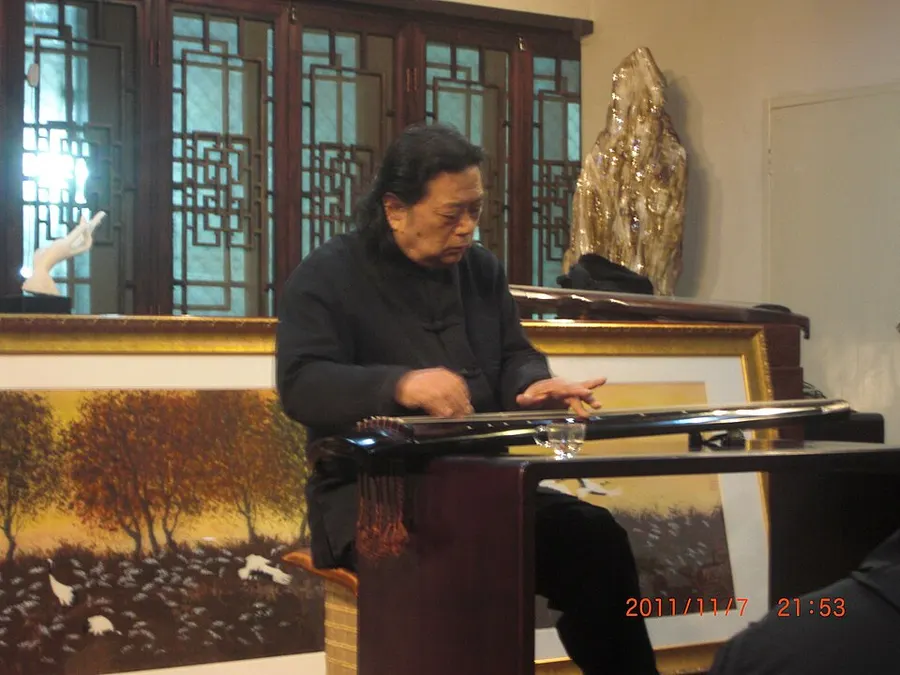
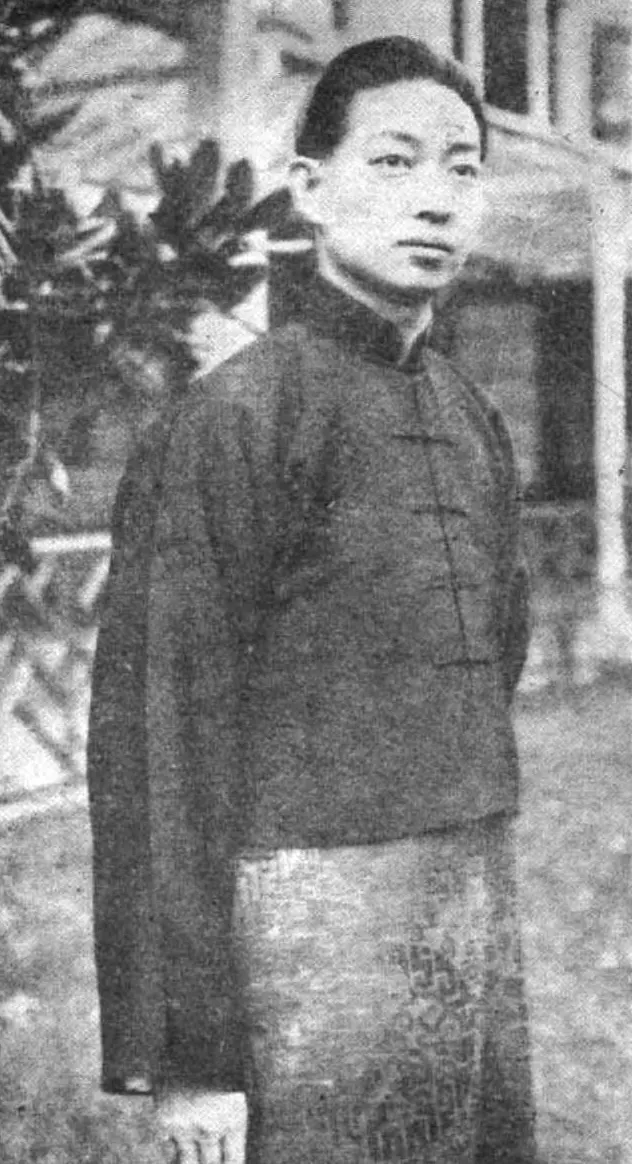
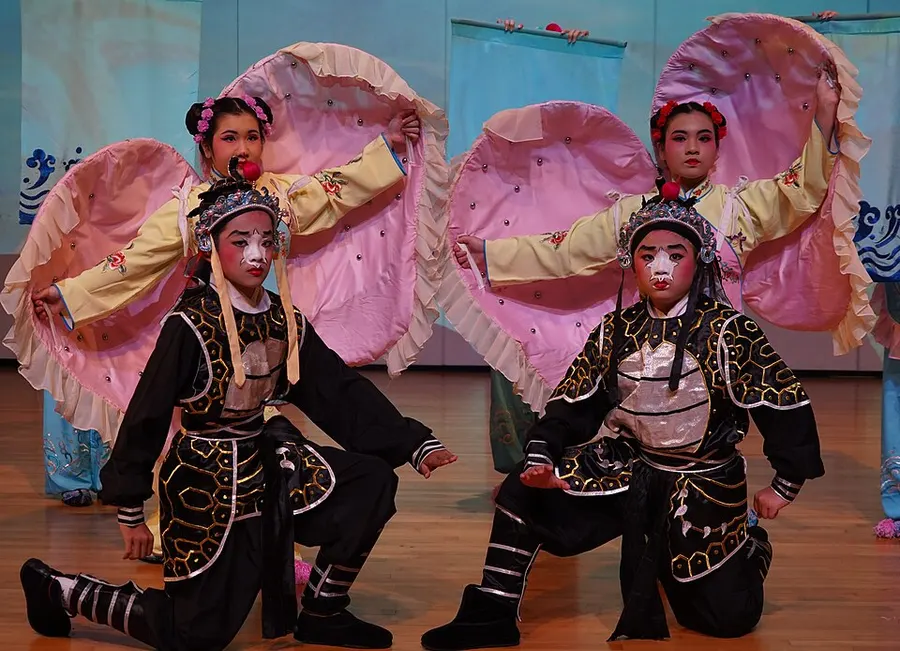
How Li Zhi connects to the broader network of heritage.
The Atlas is Living
Every master is a living archive. Join a collective of explorers, artisans, and scholars dedicated to tracing the vibrant pulse of our shared world.
History & Development
Kuaiban storytelling drives rapid-fire narrative verse with bamboo clappers — seven slats in the main hand, two in the supporting hand — a form crystallized in north Chinese marketplaces where storytellers needed portable rhythm instruments and instant-audience hooks.
The kuaiban shu subgenre extended clapper rhyme into long-form heroic narratives, entered the national heritage framework among quyi storytelling arts, and bearers including Li Zhi teach conservatory modules where tongue-twister drills and metronome clapper work build the stamina the form demands.
Cultural Traditions
-
Seven-Slab Clapper Control
The main-hand stack rattles sustained rolls or crisp accents, and wrist relaxation drills determine whether runs sound fluid or wooden.
-
Rhyme Ladder Composition
Verses chain same-rhyme endings across dozens of lines, forcing composers to plan narrative beats around available rhyme families.
-
Spoken-to-Sung Shifts
Delivery slides between speech, heightened chant, and melodic passage without instrumental cue, marked solely by clapper pattern changes.
Common Questions
How fast do kuaiban performers recite?
Skilled kuaiban artists exceed ten syllables per second in showcase runs while keeping every rhyme landing audibly clean.
Is accompaniment limited to clappers?
Solo clapper defines the classical format, though modern stage versions sometimes add yangqin or percussion without altering the rhythmic backbone.