Tibetan (藏族)
High-altitude people of the Tibetan Plateau, known for thangka painting, Gesar epic, Tibetan opera, and Buddhist ritual arts.
The Soul of the Tibetan
High-altitude people of the Tibetan Plateau, known for thangka painting, Gesar epic, Tibetan opera, and Buddhist ritual arts.
The Tibetan have cultivated a distinct cultural identity expressed through language, music, dance, craft, and ritual — a living heritage that has been passed down through countless generations. Their traditions reflect a profound relationship with their environment and a resilient spirit of cultural continuity.
Central to their identity is the Preserved orally — a vessel for cultural memory and spiritual knowledge. The Tibetan worldview is fundamentally interconnected, viewing their surroundings not merely as terrain, but as a living environment where spirit and nature are inseparable.
Cultural DNA
- Identity
- Tibetan
- 藏族
- Population
- ~550万
- 0.39% of China
- Language Family
- Preserved orally
- Primary Regions
- Ancestral lands across China
- Representative Heritage
- MusicDanceCraftsRitualsOral
- Status
- Active · Living Tradition
The Heritage Constellation
Cartography of the Homeland
An exploration of sacred geography, settlements, and historical migration pathways of the Tibetan.
Living Traditions
Intangible knowledge passed through generations.
Tibetan Opera (Ache Lhamo)
PRACTICED_BY_ETHNIC_GROUP
Gesar Epic Tradition
PRACTICED_BY_ETHNIC_GROUP
Regong Arts
PRACTICED_BY_ETHNIC_GROUP
Lum Medicinal Bathing (Sowa Rigpa)
PRACTICED_BY_ETHNIC_GROUP
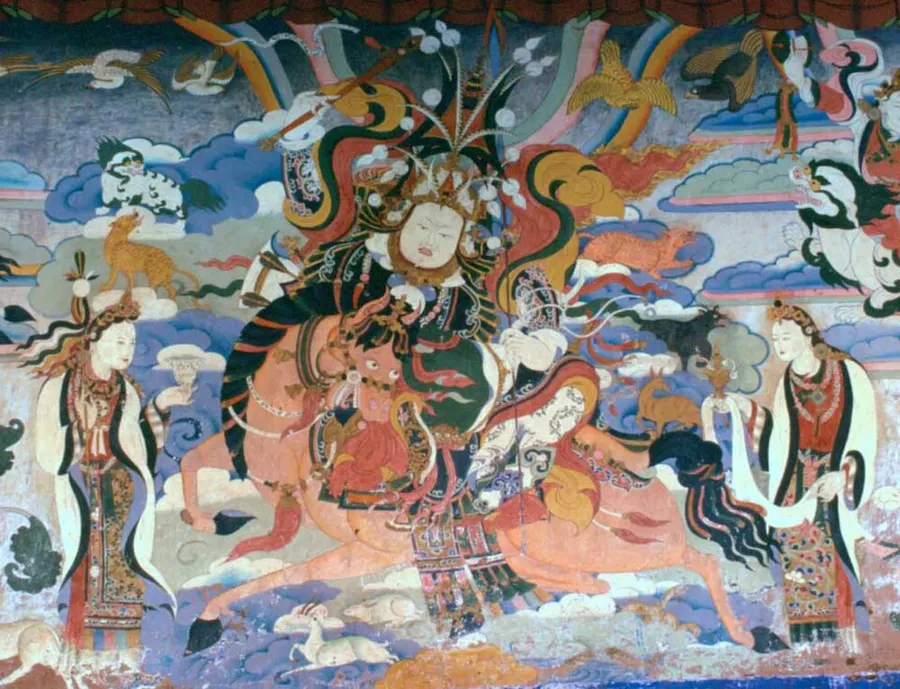
Thangka Painting
PRACTICED_BY_ETHNIC_GROUP
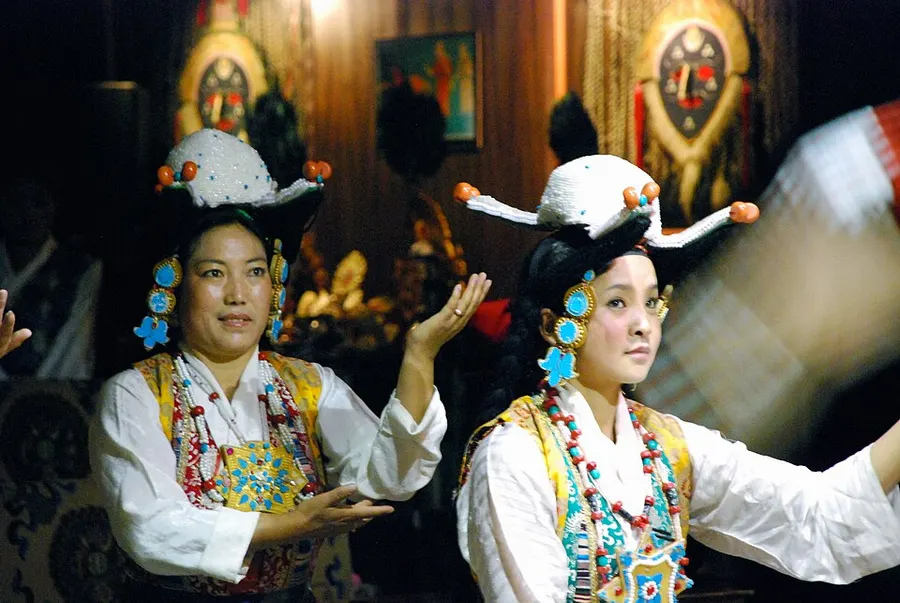
Tibetan Guozhuang Dance
PRACTICED_BY_ETHNIC_GROUP
Neighboring Peoples
The Tibetan share cultural landscapes and historical exchange with neighboring ethnic communities across the region.
The Ritual Cycle
Festivals mark the rhythms of life for the Tibetan — celebrating harvests, honoring ancestors, and strengthening community bonds through music, dance, and feasting.
No festival relations recorded. Explore festival calendar
A Journey Through Time
Cross-Cultural Threads
History & Development
Tibetans number about seven million across the Qinghai-Tibet Plateau and neighboring provinces, descendants of the Tubo Empire that unified the plateau in the 7th century under Songtsen Gampo and introduced a script modeled on Indic letterforms. Buddhism's second transmission from Kashmir and India shaped a monastic civilization whose libraries, thangka painting schools, and opera traditions doubled as instruments of education and governance for a thousand years.
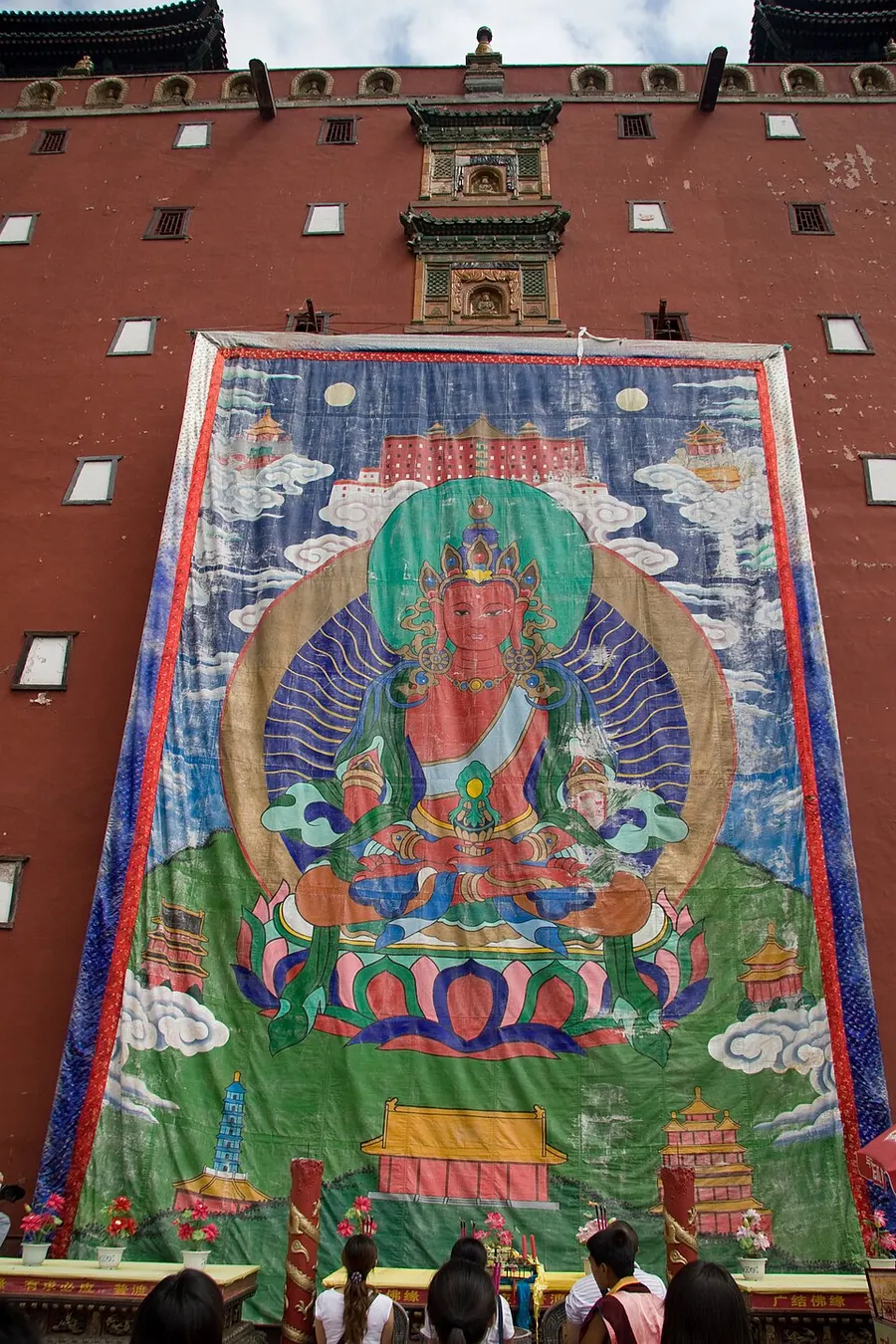
Modern heritage recognition centers on performing and narrative arts: Tibetan opera (lhamo) and the Gesar epic — the world's longest living oral poem, over a million verses in recorded sections — joined UNESCO's representative list in 2009. Regional identity remains strongly local — U-Tsang, Amdo, Kham each carry distinct dress, dialects, and dance idioms — while the Shoton festival's yoghurt feast and monastery unveilings draw tens of thousands to Lhasa every late summer.
Cultural Pillars
- 01
Lhamo Opera
Masked open-air drama lasting full days, blending chanted narrative, dance cycles, and comic relief; troupes perform annually during the Shoton season after monastic restrictions lifted.
- 02
Gesar Epic Recitation
Illiterate and literate bards alike perform episodes of the warrior king Gesar, some claiming dream-initiated repertoires; recordings now archive hundreds of hours across four provinces.
- 03
Thangka Painting
Mineral-pigment scroll painting governed by strict iconometric grids; apprentices grind lapis and malachite themselves, and a single large canvas may take years to complete.
- 04
Guozhuang Circle Dance
Village evenings close with linked-arm circles — slow opening verse, accelerating footwork — performed at weddings and harvests from Chamdo to Gyirong.
Common Questions
What is the Shoton Festival?
Lhasa's late-summer "yoghurt festival," originating in monastic summer retreats when laypeople offered yoghurt to monks. It now combines Buddha-unveiling ceremonies, Tibetan opera tournaments, and picnic outings.
How long is the Gesar epic?
Recorded repertoires exceed a million verses across 100-plus episodes, making it longer than the Iliad and Odyssey combined many times over. Bards improvise within fixed story arcs; start with Gesar epic.
Why do opera performers wear masks?
Masks code character instantly — white for kings, red for power, half-black-half-white for the trickster — letting open-air audiences follow plots at distance; the craft survives in Tibetan opera mask workshops in Lhasa and Shigatse.
Watch & Learn
From the Archive
Photographs documenting the materials, makers, and settings behind these traditions.