Naxi (纳西族)
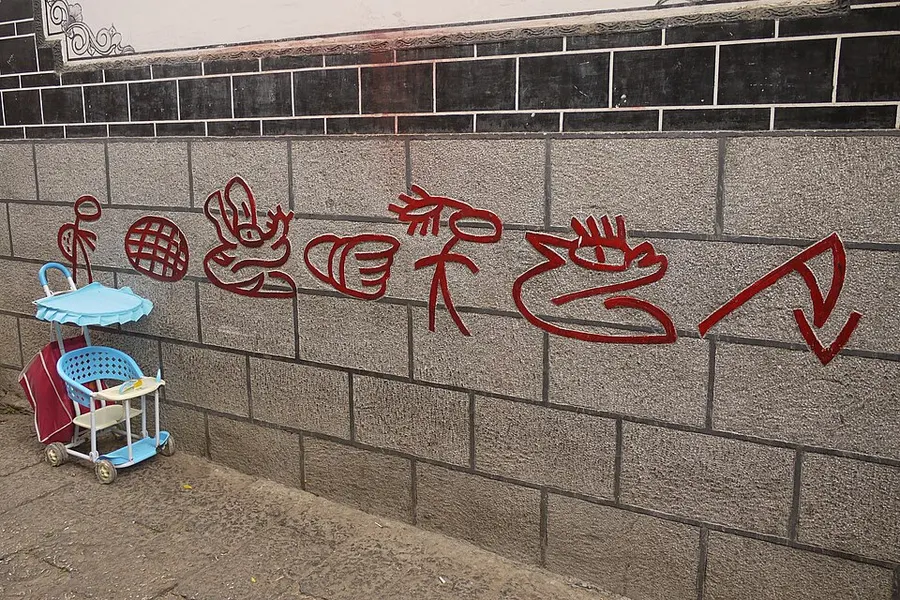
People of Lijiang, Yunnan, with the world's only living pictographic script (Dongba), known for Dongba ritual arts and Baishag archaic music.
The Soul of the Naxi
People of Lijiang, Yunnan, with the world's only living pictographic script (Dongba), known for Dongba ritual arts and Baishag archaic music.
The Naxi have cultivated a distinct cultural identity expressed through language, music, dance, craft, and ritual — a living heritage that has been passed down through countless generations. Their traditions reflect a profound relationship with their environment and a resilient spirit of cultural continuity.
Central to their identity is the Preserved orally — a vessel for cultural memory and spiritual knowledge. The Naxi worldview is fundamentally interconnected, viewing their surroundings not merely as terrain, but as a living environment where spirit and nature are inseparable.
Cultural DNA
- Identity
- Naxi
- 纳西族
- Population
- ~32万
- 0.02% of China
- Language Family
- Preserved orally
- Primary Regions
- Ancestral lands across China
- Representative Heritage
- MusicDanceCraftsRitualsOral
- Status
- Active · Living Tradition
The Heritage Constellation
Cartography of the Homeland
An exploration of sacred geography, settlements, and historical migration pathways of the Naxi.
Living Traditions
Intangible knowledge passed through generations.
Neighboring Peoples
The Naxi share cultural landscapes and historical exchange with neighboring ethnic communities across the region.
The Ritual Cycle
Festivals mark the rhythms of life for the Naxi — celebrating harvests, honoring ancestors, and strengthening community bonds through music, dance, and feasting.
No festival relations recorded. Explore festival calendar
A Journey Through Time
Cross-Cultural Threads
History & Development
The Naxi, roughly 320,000 people, center on Lijiang Old Town beneath Jade Dragon Snow Mountain, where their Tibeto-Burman language coexists with the world's last living pictographic script. Dongba priests wrote manuscripts in some 1,400 glyphs — part picture, part phonetic — preserving creation chants, funerary guides, and divination manuals; over 30,000 surviving volumes circulate in libraries worldwide, and UNESCO's Memory of the World register admitted the Dongba manuscript collection in 2003.
Lijiang's timber canal-city, rebuilt after a 1996 earthquake with strict craft codes, became a UNESCO World Heritage site in 1997, turning Naxi homeland into China's most visited heritage town. Music tourism revived "ancient Naxi concerts" — Taoist Tang-suite melodies played on heirloom instruments by elder societies — while dongba painting schools retrain apprentices in pigment scrolls listed nationally in 2006.
Cultural Pillars
- 01
Dongba Pictographic Script
Glyphs sketch meaning directly — a man, a valley, an offering — letting ritual texts be read across dialects; a handful of certified scribes still copy scriptures for temple archives.
- 02
Ancient Music Societies
Elder ensembles preserve Tang and Song suite melodies on gugin-family lutes and flutes, including pieces lost elsewhere in China; nightly concerts fund instrument conservation.
- 03
Dongba Scroll Painting
Mineral pigments fill narrative strips of gods and demon journeys following iconometric rules; national listing in 2006 anchored academy training programs.
- 04
Canal-Town Stewardship
Three-tiered weirs allocate spring water for drinking, washing, then gardens; household rules enforced by lane committees keep the World Heritage grid functioning as homes, not museum set.
Common Questions
Is the Dongba script really used?
Yes — ceremonially. Certified dongba write new copies of scriptures and sign festival documents in glyphs; literacy beyond ritual contexts is rare, which is why Memory-of-the-World digitization matters for study. Compare logographic systems via Chinese calligraphy.
What music plays in Lijiang concerts?
"Baisha xiyue" and other suites attributed to Tang-Song court traditions, sustained locally for centuries; instruments include surviving dragon-headed pipa said to predate outside equivalents.
How crowded is Lijiang Old Town?
Daytime lanes pack heavily, but early mornings and the quieter Shuhe and Baisha quarters reveal canal life; overnight residents still number in the thousands under stewardship rules.