Bai (白族)
People of Dali, Yunnan, known for the Three-Cup Tea ceremony, tie-dye (zaran) fabric, and the grand Guanyin Temple fair.
The Soul of the Bai
People of Dali, Yunnan, known for the Three-Cup Tea ceremony, tie-dye (zaran) fabric, and the grand Guanyin Temple fair.
The Bai have cultivated a distinct cultural identity expressed through language, music, dance, craft, and ritual — a living heritage that has been passed down through countless generations. Their traditions reflect a profound relationship with their environment and a resilient spirit of cultural continuity.
Central to their identity is the Preserved orally — a vessel for cultural memory and spiritual knowledge. The Bai worldview is fundamentally interconnected, viewing their surroundings not merely as terrain, but as a living environment where spirit and nature are inseparable.
Cultural DNA
- Identity
- Bai
- 白族
- Population
- ~190万
- 0.14% of China
- Language Family
- Preserved orally
- Primary Regions
- Ancestral lands across China
- Representative Heritage
- MusicDanceCraftsRitualsOral
- Status
- Active · Living Tradition
The Heritage Constellation
Cartography of the Homeland
An exploration of sacred geography, settlements, and historical migration pathways of the Bai.
Living Traditions
Intangible knowledge passed through generations.
Neighboring Peoples
The Bai share cultural landscapes and historical exchange with neighboring ethnic communities across the region.
The Ritual Cycle
Festivals mark the rhythms of life for the Bai — celebrating harvests, honoring ancestors, and strengthening community bonds through music, dance, and feasting.
No festival relations recorded. Explore festival calendar
A Journey Through Time
Cross-Cultural Threads
History & Development
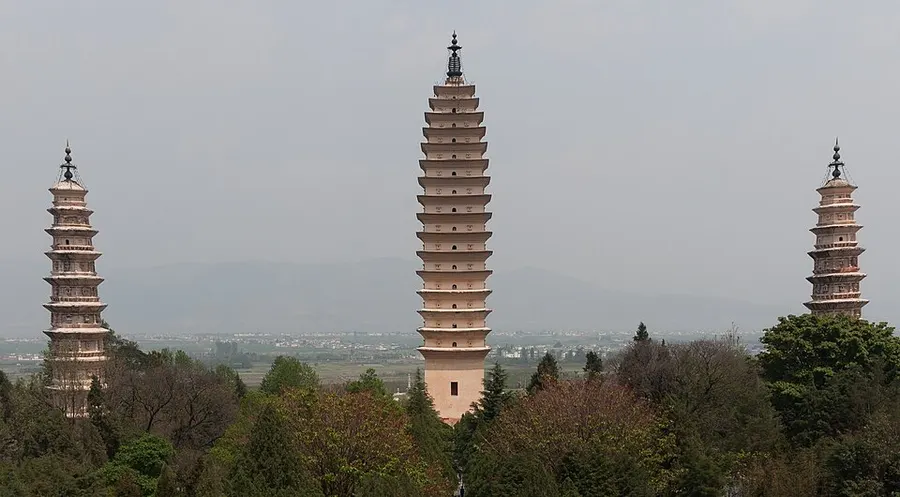
The Bai, about 2.09 million people, farm the Erhai lake basin around Dali in Yunnan, heirs of the Nanzhao Kingdom (738–937) and its successor Dali Kingdom whose Buddhist rulers built pagodas still defining the valley skyline. Bai speech mixes Tibeto-Burman grammar with centuries of Chinese loanwords, and the group ran one of Southwest China's great trade fairs — Third Month Fair — drawing Tibetan, Han, and Muslim caravans beneath the Cangshan peaks since at least the Tang.
Heritage registers center on craft and ceremony: Zhoucheng tie-dye workshops indigo-stamp cloth with clamp-resist patterns, and the Three-Course Tea service — bitter roast, sweet with walnuts and honey, then spicy with Sichuan pepper — was nationally listed in 2008 as hospitality philosophy ("first bitter, second sweet, third aftertaste"). Village patron temples bind communities to local lords (benzhu), unique guardian deities blending historical heroes with nature spirits.
Cultural Pillars
- 01
Three-Course Tea
Roasted bitter brew, sweetened nut-and-honey course, then pepper-laced warming cup — served with couplet recitations at weddings and guest receptions.
- 02
Zhoucheng Tie-Dye
Clamp-bound cloth dipped repeatedly in live indigo vats yields snowflake and butterfly motifs; the town's courtyards dry bolts like blue flags each morning.
- 03
Third Month Fair
Lunar mid-March week combining horse racing, commodity trading, and opera below the Three Pagodas — a caravan-era market that now moves millions in goods annually.
- 04
Benzhu Patron Worship
Each village keeps a temple to its own deified lord — founding ancestor, loyal general, elephant spirit — feted on rotating calendar days with feasts and opera.
Common Questions
Why three courses of tea?
The sequence teaches life philosophy: bitterness first (roasted tea), sweetness second (honey and nuts), lingering spice third — guests discuss the moral after each sip. The service style connects to broader Chinese tea ceremony traditions.
What is a benzhu temple?
A village shrine to its specific patron deity — often a real historical figure — celebrated on that lord's own festival day, making Bai religious calendars hyper-local mosaic maps of the Erhai plain.
When should visitors come to Dali?
Third Month Fair (lunar March 15 onward) for maximum spectacle; year-round, tie-dye workshops in Zhoucheng and morning markets around the old town show living crafts against southwest highland backdrops.