佛山
Foshan
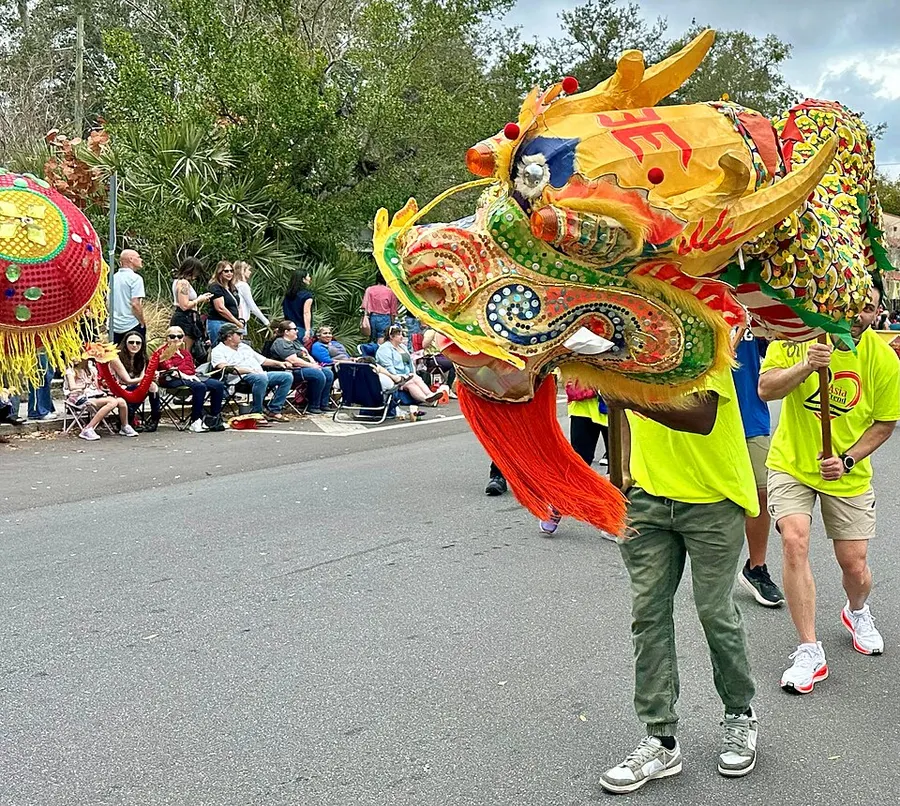
A city in Guangdong Province famous for its southern lion dance tradition, martial arts heritage (Wing Chun), and traditional ceramic and lantern crafts.
As a vital node in China's cultural geography, this location has nurtured artistic traditions that have endured through dynastic changes, social transformations, and the challenges of modernity. The continuity of these practices speaks to the deep relationship between place and cultural identity.
Today, Foshan continues to be a living center of heritage — where master artisans train the next generation, festivals mark the seasons, and ancient crafts adapt to contemporary life.
Civilization Snapshot
Where heritage lives — the geography of cultural practice
Interact with the nodes of cultural heritage across the region's ancient grid.
Heritage District
The cultural heart of Foshan
Craft Village
Traditional workshops and living heritage
The heritage collection of Foshan
A Lineage of Eras
Keepers of the Flame
Master Artisan
“The craft is not just technique — it is the memory of our ancestors speaking through our hands.”
EXPLORE MASTERSMaster Artisan
“The craft is not just technique — it is the memory of our ancestors speaking through our hands.”
EXPLORE MASTERSThe Cultural Constellation of Foshan
The heritage of Foshan does not exist in isolation. It is the core of a sophisticated network of exchange, where techniques, motifs, and melodies traveled to shape the identity of an entire civilization.
- Beijing Connected Heritage
- Nanjing Connected Heritage
- Suzhou Connected Heritage
The Rhythms of Time
Spring Festival
2 seasonal observances
Summer Festival
2 seasonal observances
Autumn Festival
2 seasonal observances
Winter Festival
2 seasonal observances
Nearby heritage destinations
Beijing
北京 · The capital of China, Beijing has been the political and cul...
Nanjing
南京 · An ancient capital of six dynasties, Nanjing is the birthpla...
Suzhou
苏州 · Famous for its classical gardens and silk industry, Suzhou i...
Chenjiagou
陈家沟 · A small village in Henan Province, Chenjiagou is the birthpl...
History & Development
Foshan has fired its Nanfeng dragon kiln almost without pause since 1506, making the Shiwan pottery district one of the longest continuously operating kiln sites on earth. Ming and Qing patrons called the output "Shiwan ware, finest under heaven," and roof-ridge figure groups from these kilns still crown temples across Lingnan.
The city wrote modern martial-arts history. Wong Fei-hung opened his Po Chi Lam academy here in the 1860s, and Yip Man, who later taught Bruce Lee in Hong Kong, learned Wing Chun from Foshan master Chan Wah-shun. Lion-dance troupes from Foshan carried the southern style to every Chinatown on earth.
Cultural Traditions
- 01
Ancestral Temple Theatre
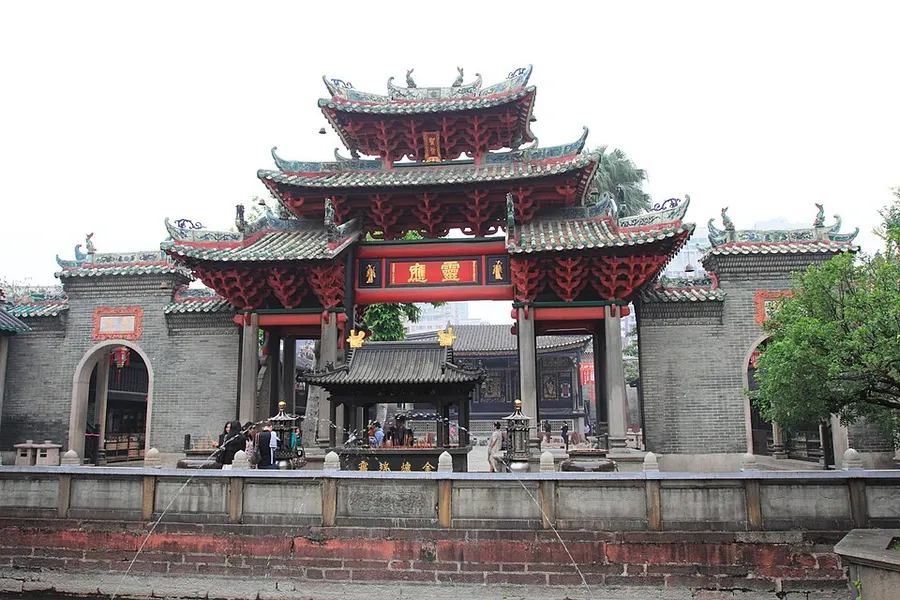
A gilded stage inside the Zumiao complex has staged Cantonese opera since the Qing era.
- 02
Lion Dance Workshops
Workshops here build competition lion heads and train southern lion dance champions.
- 03
Shiwan Figurines
Kiln-side studios sculpt expressive ceramic scholars, warriors, and opera stars.
Common Questions
Why is Foshan linked to kung fu?
Wong Fei-hung and Yip Man both trained here, and the city remains a national centre for Chinese martial arts.
Is the ancient kiln still working?
Yes. The Nanfeng kiln has been fired since 1506, and artisans still throw pots beside it today.
What role does Foshan play in Cantonese opera?
It is a recognised cradle of the genre; UNESCO inscribed Cantonese opera in 2009 with Foshan troupes at the core of the nomination.
Watch & Learn
From the Archive
Photographs documenting the materials, makers, and settings behind these traditions.