青海省
Qinghai Province
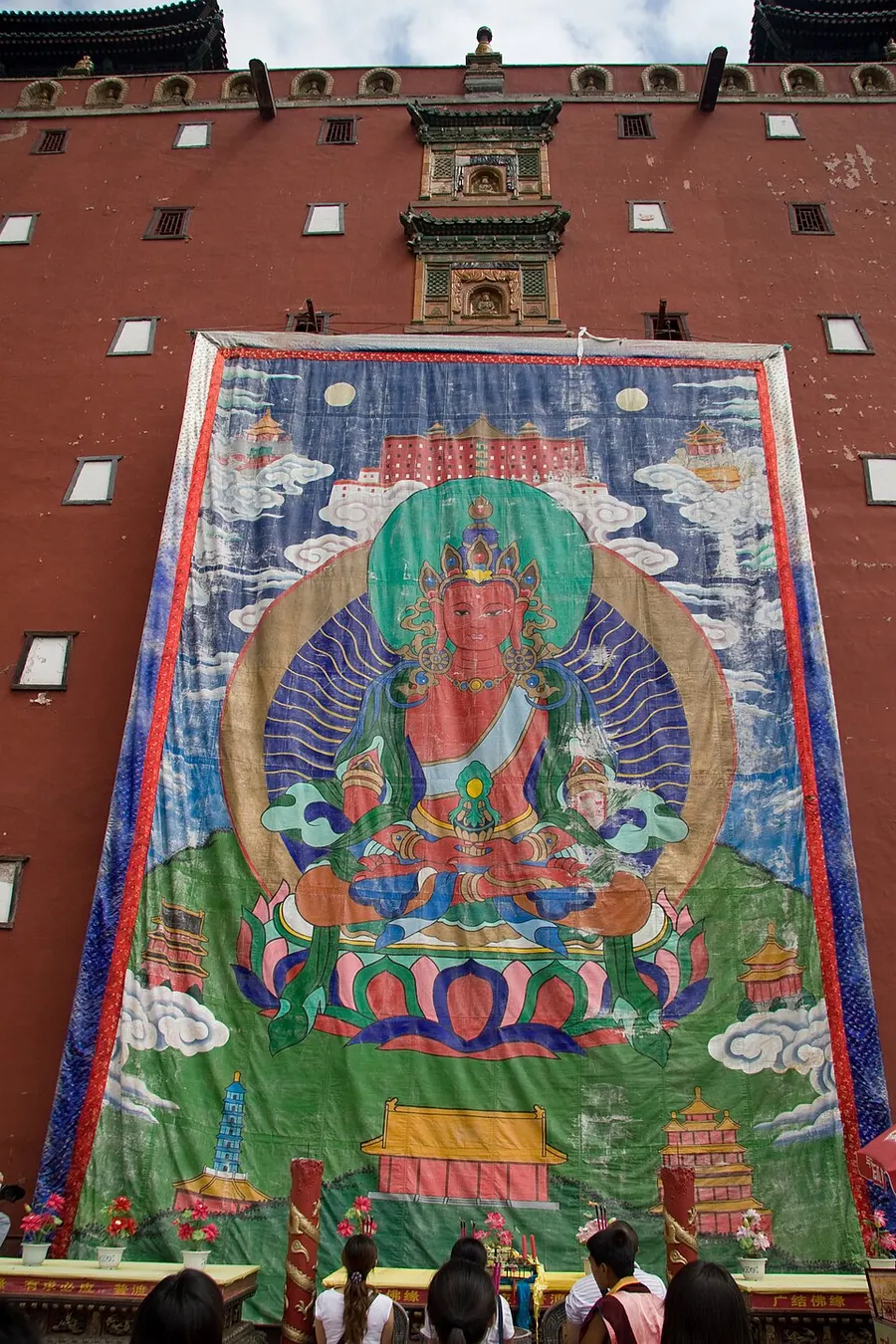
The Tibetan Plateau province, home to the Regong art tradition (thangka painting, murals, sculpture) in the Tongren area.
As a vital node in China's cultural geography, this location has nurtured artistic traditions that have endured through dynastic changes, social transformations, and the challenges of modernity. The continuity of these practices speaks to the deep relationship between place and cultural identity.
Today, Qinghai Province continues to be a living center of heritage — where master artisans train the next generation, festivals mark the seasons, and ancient crafts adapt to contemporary life.
Civilization Snapshot
Where heritage lives — the geography of cultural practice
Interact with the nodes of cultural heritage across the region's ancient grid.
Heritage District
The cultural heart of Qinghai Province
Craft Village
Traditional workshops and living heritage
The heritage collection of Qinghai Province
A Lineage of Eras
Keepers of the Flame
Jin Xiuping
“The craft is not just technique — it is the memory of our ancestors speaking through our hands.”
READ THEIR STORYThe Cultural Constellation of Qinghai Province
The heritage of Qinghai Province does not exist in isolation. It is the core of a sophisticated network of exchange, where techniques, motifs, and melodies traveled to shape the identity of an entire civilization.
- Beijing Connected Heritage
- Nanjing Connected Heritage
- Suzhou Connected Heritage
The Rhythms of Time
Spring Festival
2 seasonal observances
Summer Festival
2 seasonal observances
Autumn Festival
2 seasonal observances
Winter Festival
2 seasonal observances
Nearby heritage destinations
Beijing
北京 · The capital of China, Beijing has been the political and cul...
Nanjing
南京 · An ancient capital of six dynasties, Nanjing is the birthpla...
Suzhou
苏州 · Famous for its classical gardens and silk industry, Suzhou i...
Chenjiagou
陈家沟 · A small village in Henan Province, Chenjiagou is the birthpl...
History & Development
Qinghai sits on the Tibetan Plateau at an average elevation above three thousand metres and gives birth to three of Asia's great rivers: the Yangtze, the Yellow River, and the Lancang-Mekong. Sanjiangyuan National Park now guards this "water tower" across more than one hundred and fifty thousand square kilometres of grassland and glacier.
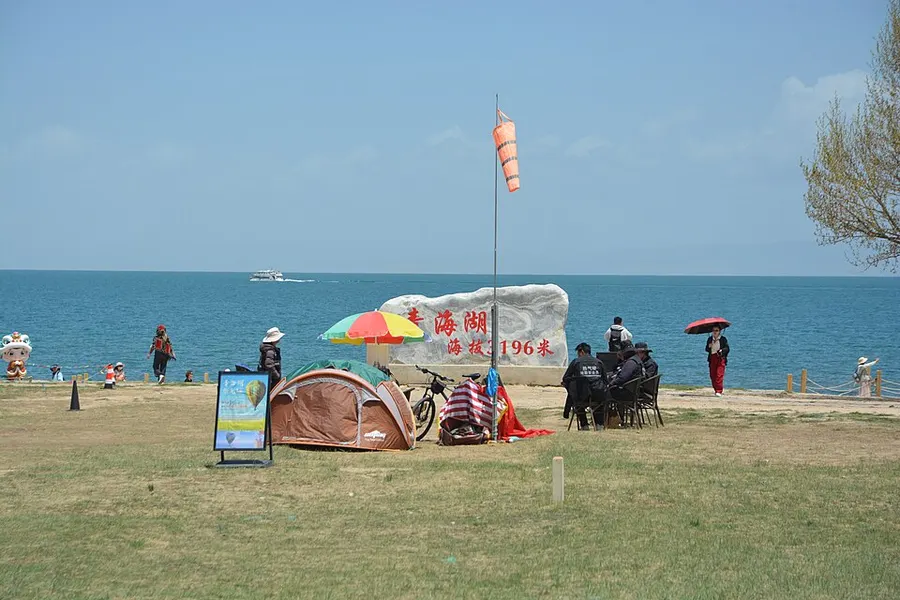
At Rebgong in Tongren County, monastery-trained painters have refined thangka artistry since the seventeenth century; UNESCO added Regong arts to the Representative List in 2009. Qinghai Lake, China's largest at forty-six hundred square kilometres, anchors pilgrim circuits, and Kunlun jade supplied the medals of the 2008 Beijing Olympics.
Cultural Traditions
- 01
Regong Painting
Apprentices grind mineral pigments and learn proportion grids before touching canvas.
- 02
Lake Kora
Pilgrims circle sacred geography around Qinghai Lake on foot or horseback.
- 03
High-Pasture Festivals
Tibetan communities race horses and stage open-air opera during brief mountain summers.
Common Questions
Which rivers start in Qinghai?
The Yangtze, Yellow River, and Lancang-Mekong all rise here, which is why the province is called Asia's water tower.
What are Regong arts?
Thangka painting, murals, and quilted embroidery from Tongren, UNESCO-listed in 2009.
Why visit Qinghai Lake?
It is China's largest saltwater lake at forty-six hundred square kilometres, famous for bird island and cycling circuits.
Watch & Learn
From the Archive
Photographs documenting the materials, makers, and settings behind these traditions.