
Doje Sangpo
多杰桑波
Doje Sangpo is a master of Tibetan Guozhuang dance from the Nagqu region of the Tibetan Plateau. He learned the traditional circle dance from village elders and has dedicated his life to preserving…
Doje Sangpo is a master of Tibetan Guozhuang dance from the Nagqu region of the Tibetan Plateau. He learned the traditional circle dance from village elders and has dedicated his life to preserving the authentic forms of Guozhuang, training youth troupes across Tibetan communities and documenting regional variations.
Tibet Autonomous Region
西藏自治区
Region
Southwest China
Level
national
Status
active
Born
1960
Heritage DNA
Classification
National Inheritor
Status
active
Year of Birth
1960
Age
66 years
Location
Tibet Autonomous Region
Region
Southwest China
Next Master
Sangzhub
桑珠
See the Craft
in Motion
The Cultural Network
Heritage is not a static artifact; it is a living web. Our mapping engine traces the cross-pollination of techniques across three millennia, revealing how Doje's thread vibrates through the broader tapestry.
Territories of
Heritage
Geography shapes identity. Journey through the historical corridors that defined a civilization, from the arid Silk Road to the lush Tea Horse Road.
Tibet Autonomous Region
Southwest China
The Living Masters
The true archive of heritage is found in the hands and minds of those who refuse to let the fire die out.
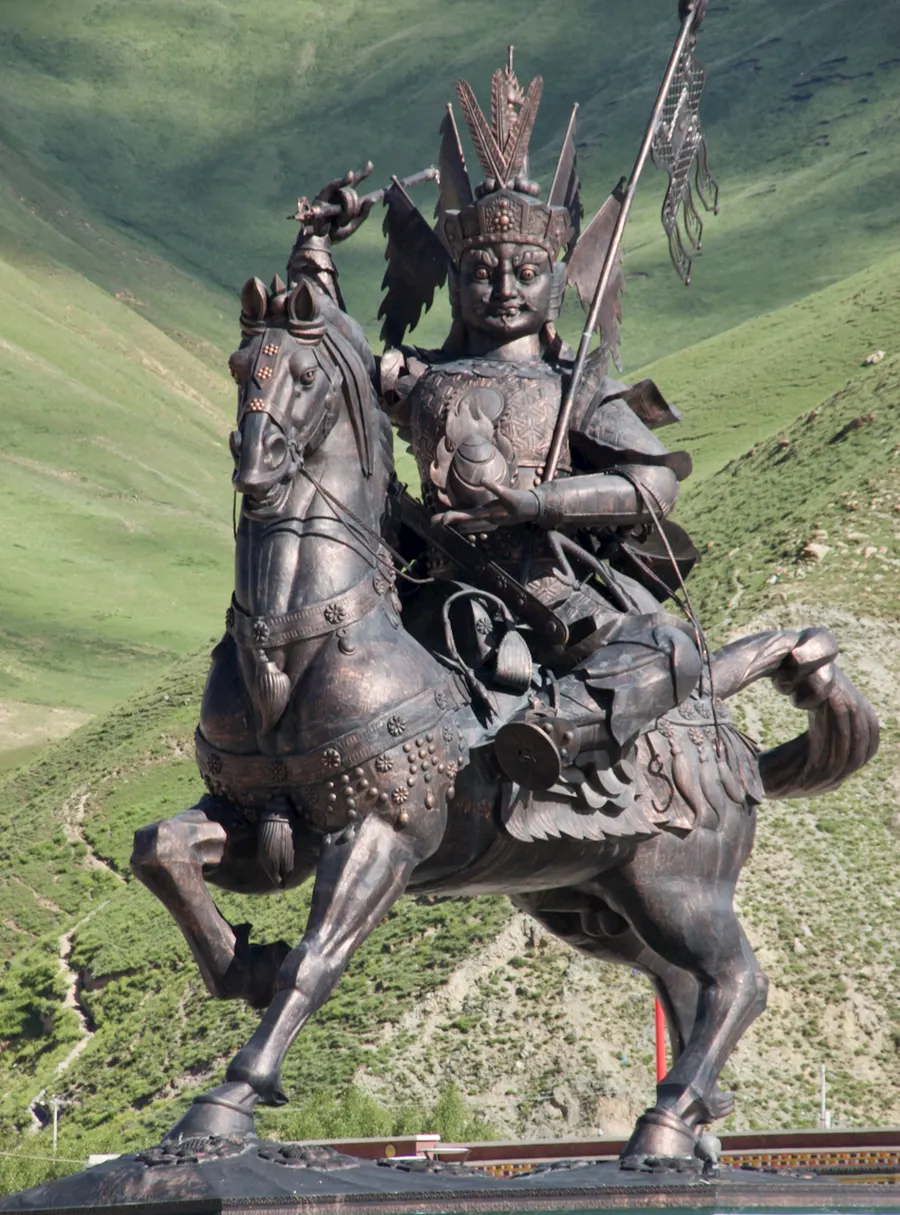
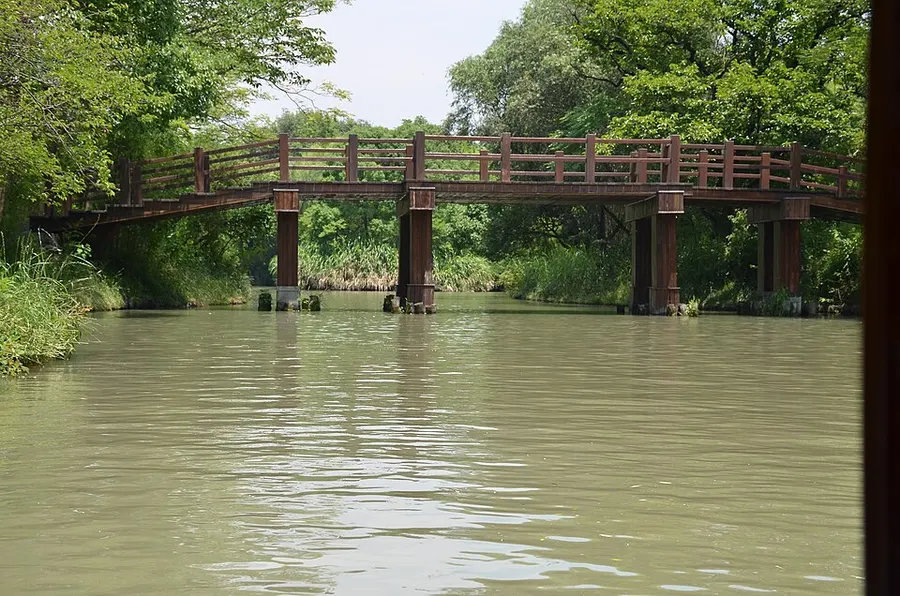
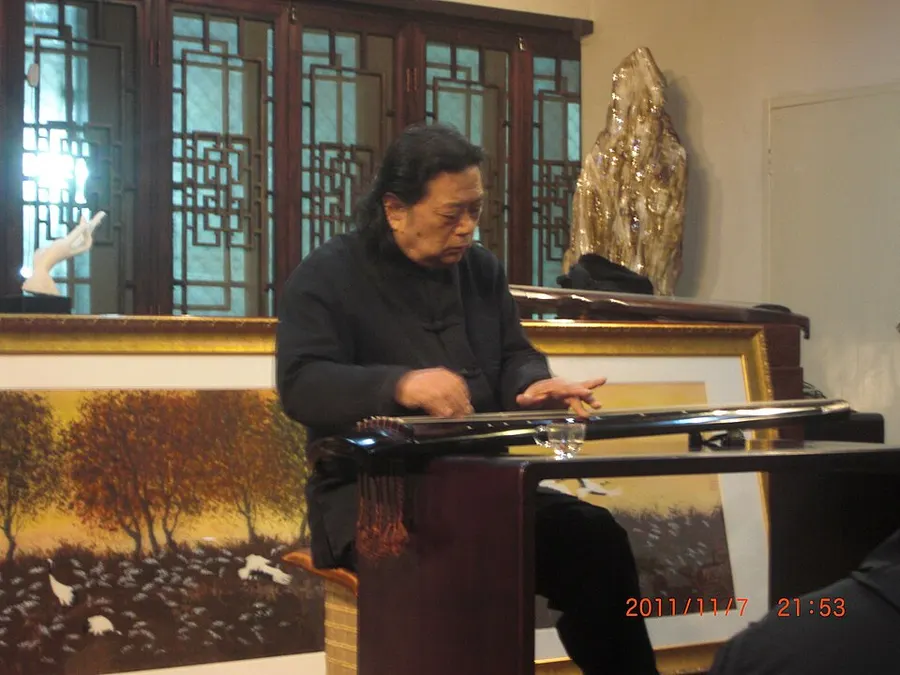
How Doje Sangpo connects to the broader network of heritage.
The Atlas is Living
Every master is a living archive. Join a collective of explorers, artisans, and scholars dedicated to tracing the vibrant pulse of our shared world.
History & Development
Tibetan Guozhuang circle dancing gathers villages into linked-arm rings at harvests, weddings, and New Year gatherings, with lead singers improvising verses while the ring rotates through stepping patterns that vary by region — Changdu's vigorous guozhuang contrasts with gentler farming-area styles further south.
Listed nationally in 2006 and folded into the Tibetan dance heritage framework recognized internationally, the tradition survives through community transmission rather than professional troupes, and bearers such as Doje Sangpo organize inter-village gatherings where repertoire breadth determines a singer's standing.
Cultural Traditions
-
Lead Singer Verse Improvisation
Ring leaders compose couplets honoring hosts on the spot, and melodic lines repeat while lyric content flexes to occasion and audience.
-
Regional Step Grammars
Farming-area guozhuang favors grounded shuffling turns while highland versions add leaps and stamp accents matched to thinner-air breathing rhythms.
-
All-Age Participation Rule
Circles absorb children and elders in the same rotation, embedding the dance in social life instead of separating performers from audience.
Common Questions
What does guozhuang mean literally?
The term references the indoor hearth around which early circle dances formed, and Tibetan Guozhuang dance still opens household celebrations before moving outdoors.
Is there a fixed songbook?
Core melodies persist across villages, but verse content stays fluid, and a singer's repertoire strength lies in matching fresh couplets to each gathering.