
Baatarchuluun
巴特尔楚伦
Baatarchuluun is a master of Mongolian Khoomei throat singing from the Xilingol Grassland of Inner Mongolia. Learning from elder herders in his youth, he has mastered all three styles — kharkhiraa…
Baatarchuluun is a master of Mongolian Khoomei throat singing from the Xilingol Grassland of Inner Mongolia. Learning from elder herders in his youth, he has mastered all three styles — kharkhiraa (deep drone), isgeree (whistling overtone), and khamryn (nasal). He has performed internationally and established a khoomei training center in Hohhot to transmit the tradition to younger generations.
Inner Mongolia Autonomous Region
内蒙古
Region
North China
Level
national
Status
active
Born
1962
Heritage DNA
Classification
National Inheritor
Status
active
Year of Birth
1962
Age
64 years
Location
Inner Mongolia Autonomous Region
Region
North China
Next Master
Chang Xiangyu
常香玉
See the Craft
in Motion
The Cultural Network
Heritage is not a static artifact; it is a living web. Our mapping engine traces the cross-pollination of techniques across three millennia, revealing how Baatarchuluun's thread vibrates through the broader tapestry.
Territories of
Heritage
Geography shapes identity. Journey through the historical corridors that defined a civilization, from the arid Silk Road to the lush Tea Horse Road.
Inner Mongolia Autonomous Region
North China
The Living Masters
The true archive of heritage is found in the hands and minds of those who refuse to let the fire die out.

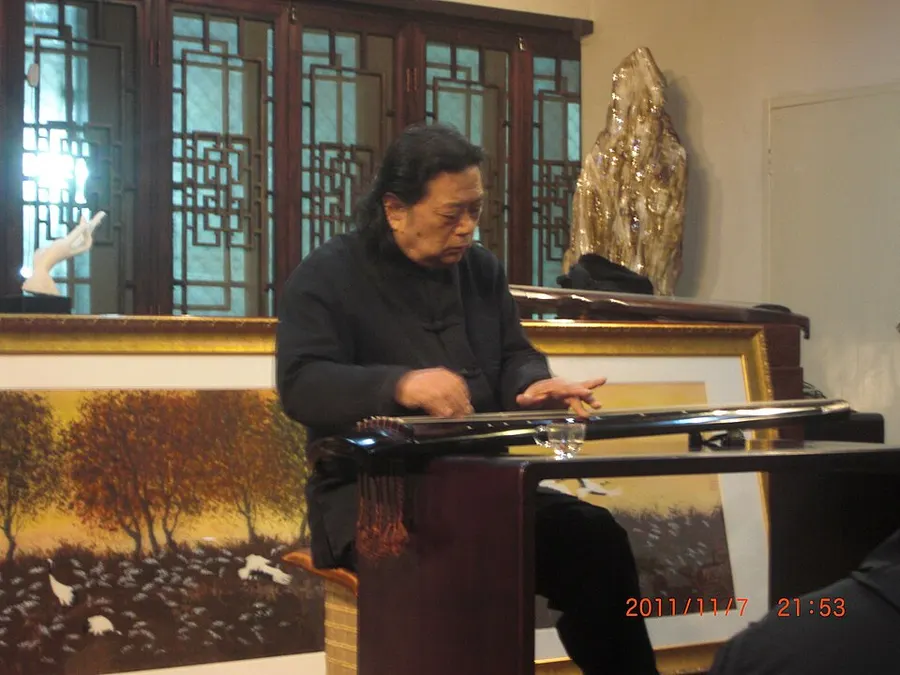
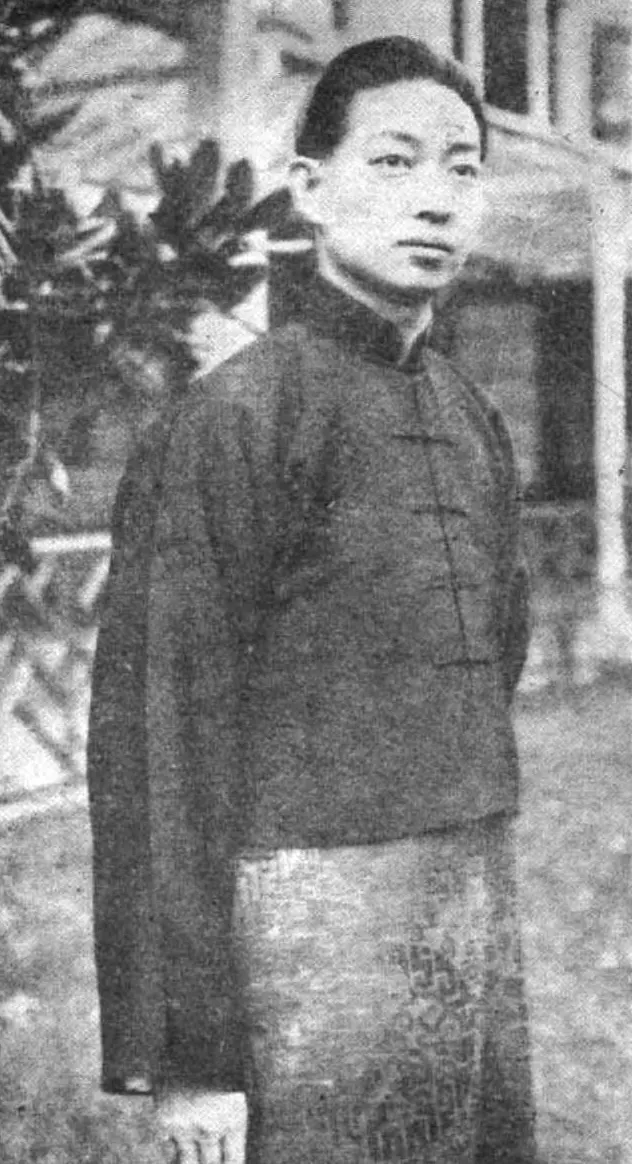
How Baatarchuluun connects to the broader network of heritage.
The Atlas is Living
Every master is a living archive. Join a collective of explorers, artisans, and scholars dedicated to tracing the vibrant pulse of our shared world.
History & Development
Mongolian khoomei produces two audible pitches at once — a low fundamental drone and a whistling harmonic melody above it — shaped by precise tongue placement and throat constriction over breath streams sustained far longer than ordinary singing allows. The technique traveled with steppe pastoralism, echoing wind over grassland and river courses.
China listed Mongolian khoomei nationally in 2008, and UNESCO inscribed it on the Representative List in 2009 jointly with Mongolia. Bearers such as Baatarchuluun perform internationally while teaching conservatory modules in Hohhot that transcribe overtone melodies once learned purely by imitation on the pasture.
Cultural Traditions
-
Harmonic Melody Shaping
Singers tune mouth cavity size with tongue and jaw positions to amplify selected overtones, effectively playing their own vocal tract as an instrument.
-
Breath Economy Training
Circular-breath-like phrasing sustains drones beyond forty seconds, built through abdominal pacing drills rather than lung volume alone.
-
Nature Mimicry Repertoire
Classic pieces imitate wind, running water, and bird calls, reflecting pastoral cosmology where skilled overtone work was believed to summon weather attention.
Common Questions
Is khoomei the same as throat singing elsewhere?
Mongolian khoomei shares mechanics with Tuvan and Altai styles but carries distinct repertoires, ornament ethics, and steppe ceremonial contexts recognized in its own UNESCO inscription.
Can adults learn overtone singing?
Conservatory classes report motivated adults isolating their first clear harmonic within weeks, though repertoire fluency requires years of drone-stability drilling.