潍坊
Weifang
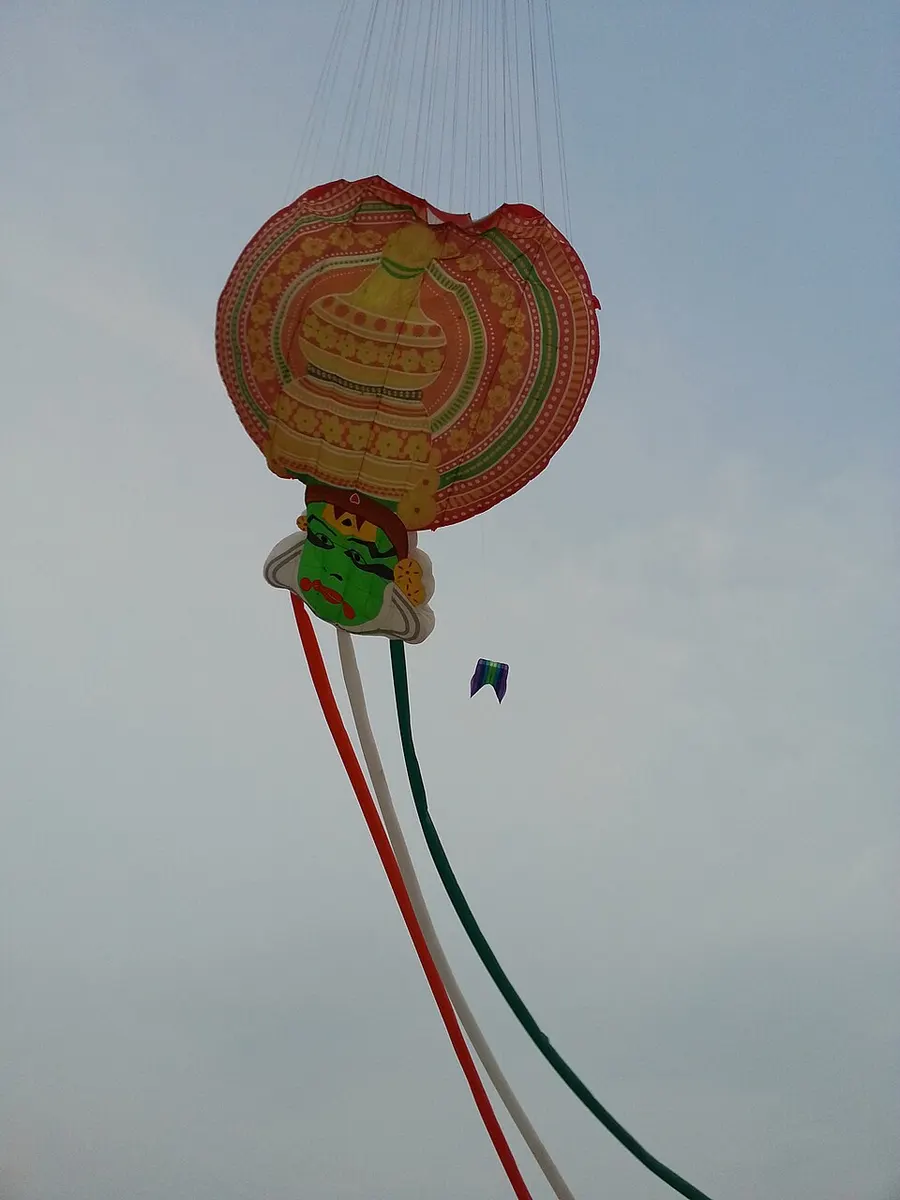
Known as the "Kite Capital of the World," Weifang hosts an annual international kite festival and has a kite-making tradition spanning centuries.
As a vital node in China's cultural geography, this location has nurtured artistic traditions that have endured through dynastic changes, social transformations, and the challenges of modernity. The continuity of these practices speaks to the deep relationship between place and cultural identity.
Today, Weifang continues to be a living center of heritage — where master artisans train the next generation, festivals mark the seasons, and ancient crafts adapt to contemporary life.
Civilization Snapshot
Where heritage lives — the geography of cultural practice
Interact with the nodes of cultural heritage across the region's ancient grid.
Heritage District
The cultural heart of Weifang
Craft Village
Traditional workshops and living heritage
A Lineage of Eras
Keepers of the Flame
Yu Shui
“The craft is not just technique — it is the memory of our ancestors speaking through our hands.”
READ THEIR STORYThe Cultural Constellation of Weifang
The heritage of Weifang does not exist in isolation. It is the core of a sophisticated network of exchange, where techniques, motifs, and melodies traveled to shape the identity of an entire civilization.
- Beijing Connected Heritage
- Nanjing Connected Heritage
- Suzhou Connected Heritage
The Rhythms of Time
Spring Festival
2 seasonal observances
Summer Festival
2 seasonal observances
Autumn Festival
2 seasonal observances
Winter Festival
2 seasonal observances
Nearby heritage destinations
Beijing
北京 · The capital of China, Beijing has been the political and cul...
Nanjing
南京 · An ancient capital of six dynasties, Nanjing is the birthpla...
Suzhou
苏州 · Famous for its classical gardens and silk industry, Suzhou i...
Chenjiagou
陈家沟 · A small village in Henan Province, Chenjiagou is the birthpl...
History & Development
Weifang flies more kites than anywhere else on Earth. The city launched the first Weifang International Kite Festival in April 1984, drawing flyers from dozens of nations to the salt-flat fields of Binhai, and the International Kite Federation crowned it "world kite capital" in 1988. Local masters descend from the famed "four great families" whose centipede and swallow frames set workshop standards.
Woodblock colour keeps pace beside the sky. Yangjiabu village has cut New Year print blocks since the Ming — six centuries of door gods and kitchen gods pulled on mulberry paper — and the Qing magistrate Zheng Banqiao, stationed here 1746–1753, left bamboo-and-rock paintings that still anchor the region's scholarly image.
Cultural Traditions
- 01
Kite Workshops
Family shops split bamboo and paint swallow kites by inherited pattern.
- 02
Festival Fields
April thermals carry hundred-metre dragon-headed centipedes aloft.
- 03
Print Blocks
New year prints from Yangjiabu colour doorways across the north.
- 04
Zheng Banqiao Legacy
The poet-official's orchid-and-rock style shapes local connoisseurship.
Common Questions
Why is Weifang the kite capital?
Continuous craftsmanship, the 1984 international festival, and the 1988 federation title secure the claim; see kite making up close.
What is Yangjiabu known for?
Ming-era woodblock New Year prints, still pulled by hand each winter.
When is kite season?
The international festival flies each April, though workshops produce year-round.
Watch & Learn
From the Archive
Photographs documenting the materials, makers, and settings behind these traditions.