
Shi Hongmei
石红梅
Shi Hongmei is a master of traditional Li textile techniques from Hainan Island. She learned cotton spinning, indigo dyeing, and waist-loom weaving from her grandmother. She has revived the intricate…
Shi Hongmei is a master of traditional Li textile techniques from Hainan Island. She learned cotton spinning, indigo dyeing, and waist-loom weaving from her grandmother. She has revived the intricate double-face embroidery technique and trains young Li women at the Hainan Ethnic Research Institute. Her works are featured in the National Museum of China.
Heritage DNA
Classification
National Inheritor
Status
active
Year of Birth
1970
Age
56 years
Location
Hainan Province
Region
South China
Next Master
Chang Xiangyu
常香玉
See the Craft
in Motion
The Cultural Network
Heritage is not a static artifact; it is a living web. Our mapping engine traces the cross-pollination of techniques across three millennia, revealing how Shi's thread vibrates through the broader tapestry.
Territories of
Heritage
Geography shapes identity. Journey through the historical corridors that defined a civilization, from the arid Silk Road to the lush Tea Horse Road.
Hainan Province
South China
The Living Masters
The true archive of heritage is found in the hands and minds of those who refuse to let the fire die out.
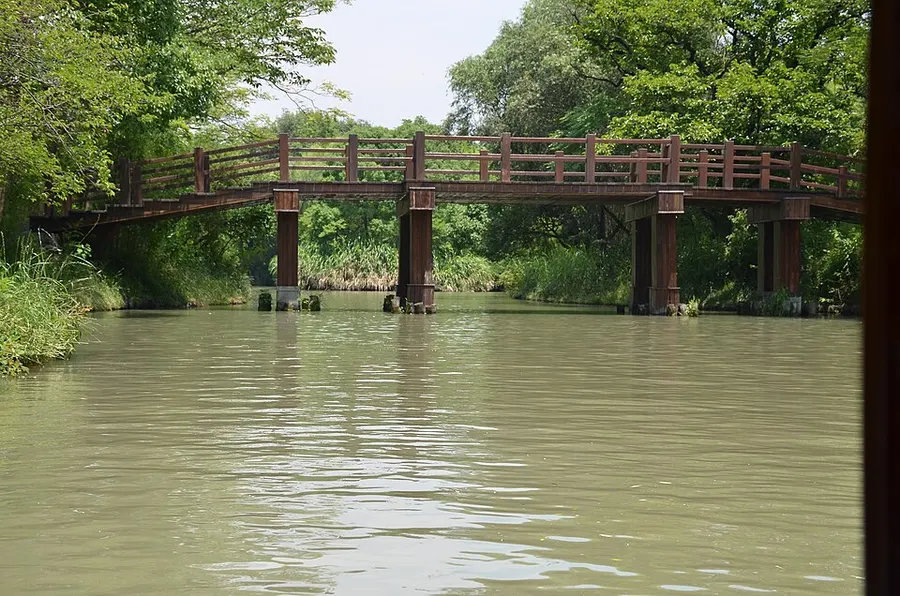
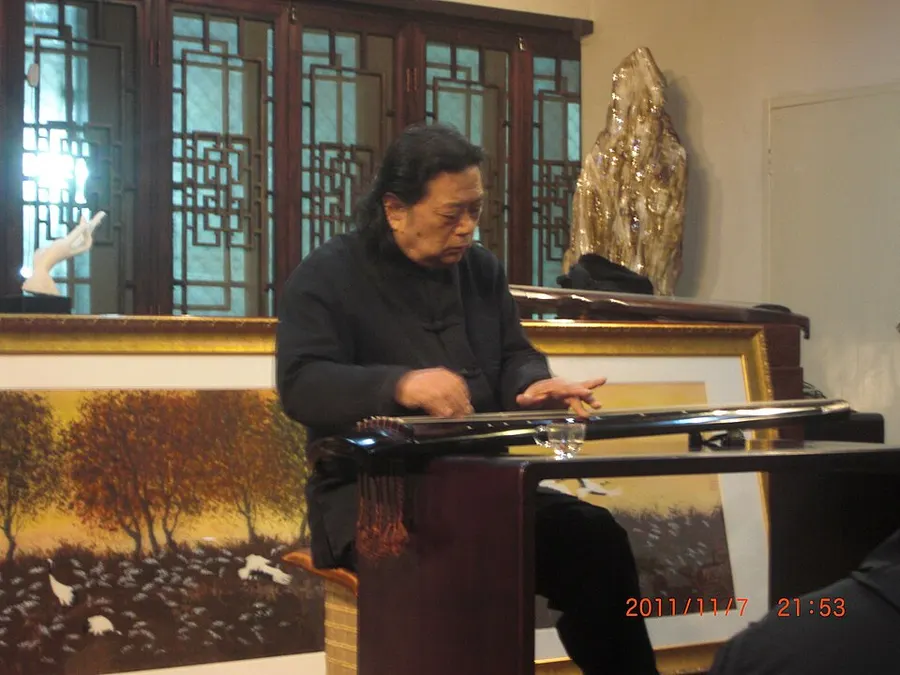
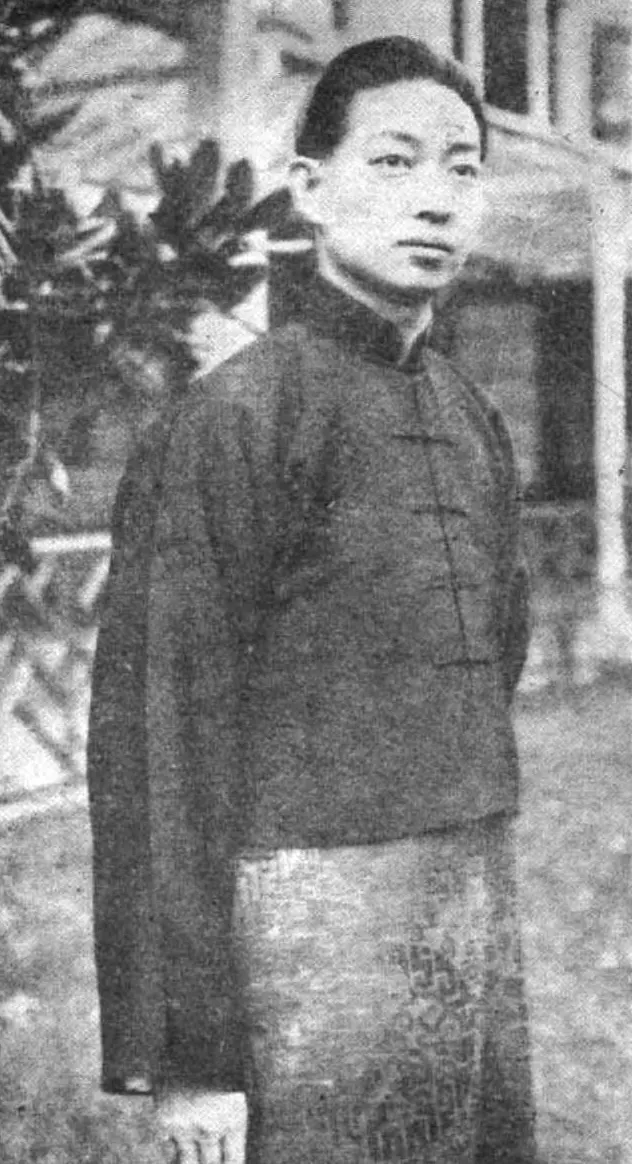
How Shi Hongmei connects to the broader network of heritage.
The Atlas is Living
Every master is a living archive. Join a collective of explorers, artisans, and scholars dedicated to tracing the vibrant pulse of our shared world.
History & Development
Li textile techniques on Hainan Island predate written Chinese record of the island, with archaeological spindle whorls dating cotton cultivation there beyond three thousand years. The craft's spinning, natural dyeing, backstrap weaving, and double-face embroidery survived because Li women wove bridal costumes that encoded clan identity into geometric motifs.
UNESCO placed the tradition on the Urgent Safeguarding List in 2009 as elders dwindled, then moved it to the Representative List in 2024 after Hainan rebuilt training workshops and school programs — the first Chinese element to complete that graduation path. Bearers including Shi Hongmei anchor county-level cooperatives that supply museum reproductions and runway collaborations.
Cultural Traditions
-
Backstrap Loom Tension Weaving
Weavers tension warp threads between a body strap and a fixed post, adjusting pattern density by leaning pressure rather than mechanical reeds.
-
Ikat-Style Binding Dye
The zharan technique binds and dyes warp bundles before weaving, so patterns emerge pre-aligned only when tension math is exact.
-
Double-Face Motif Embroidery
Human ancestor and totem figures are embroidered identically on both fabric faces, demanding mirrored stitch planning across hundreds of passes.
Common Questions
Why did Li brocade graduate from UNESCO's urgent list?
Enrolled apprentice numbers multiplied after provincial workshops institutionalized teaching, letting Li textile techniques meet viability criteria by 2024.
Are the motifs purely decorative?
Patterns function as genealogical records; specific figure rows identify the weaver's lineage village and marital status within traditional dress codes.