Manchu (满族)
Founders of the Qing Dynasty, now largely sinicized but preserving shamanic rituals, traditional archery, and Qing court culture.
The Soul of the Manchu
Founders of the Qing Dynasty, now largely sinicized but preserving shamanic rituals, traditional archery, and Qing court culture.
The Manchu have cultivated a distinct cultural identity expressed through language, music, dance, craft, and ritual — a living heritage that has been passed down through countless generations. Their traditions reflect a profound relationship with their environment and a resilient spirit of cultural continuity.
Central to their identity is the Preserved orally — a vessel for cultural memory and spiritual knowledge. The Manchu worldview is fundamentally interconnected, viewing their surroundings not merely as terrain, but as a living environment where spirit and nature are inseparable.
Cultural DNA
- Identity
- Manchu
- 满族
- Population
- ~1000万
- 0.71% of China
- Language Family
- Preserved orally
- Primary Regions
- Ancestral lands across China
- Representative Heritage
- MusicDanceCraftsRitualsOral
- Status
- Active · Living Tradition
The Heritage Constellation
Cartography of the Homeland
An exploration of sacred geography, settlements, and historical migration pathways of the Manchu.
Living Traditions
Intangible knowledge passed through generations.
Neighboring Peoples
The Manchu share cultural landscapes and historical exchange with neighboring ethnic communities across the region.
The Ritual Cycle
Festivals mark the rhythms of life for the Manchu — celebrating harvests, honoring ancestors, and strengthening community bonds through music, dance, and feasting.
No festival relations recorded. Explore festival calendar
A Journey Through Time
Cross-Cultural Threads
History & Development
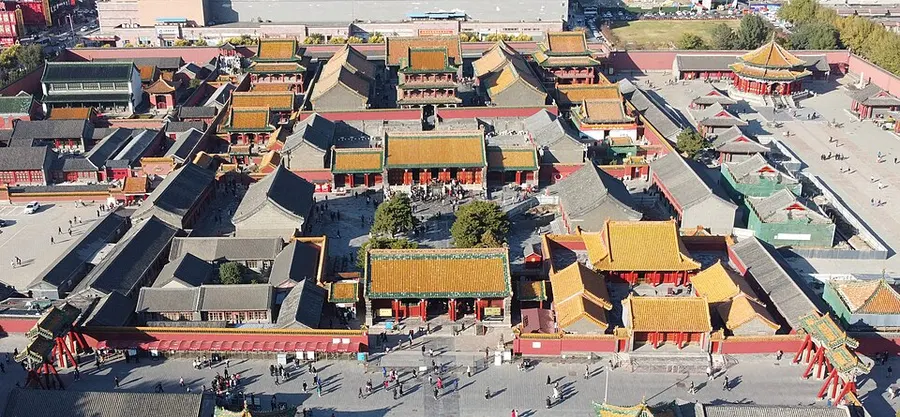
The Manchu, about 10.4 million people, descend from the Jurchen tribes whose Aisin Gioro leader Nurhaci unified them in 1616; his descendants conquered China outright, ruling as the Qing Dynasty (1644–1912) from Beijing. Eight Banner institutions organized conquest society into hereditary military households, and Manchu became an imperial court language whose archives — millions of documents — remain only partially translated.
After 1912 most banner people assimilated into Han urban life, and fluent Manchu speakers today number in the dozens of elders near Sanjiazi village, Heilongjiang. Yet cultural imprint runs deep: the qipao dress evolved from banner robes into China's modern national garment, shamanic rites preserved clan genealogies recited each winter, and storytelling epics known as Manchu Ulabun entered the first national heritage list in 2006 alongside paper-cut traditions of Manchu households in the Northeast.
Cultural Pillars
- 01
Ulabun Storytelling
All-night epic recitation alternating sung verse and spoken prose, preserving foundation myths of clans and heroes; national listing came in 2006 with staged revivals in Jilin.
- 02
Clan Shamanic Rites
Household shamans offer pork and recite lineage prayers before spirit poles; written ritual manuals in Manchu script survive in family archives despite language shift.
- 03
Banner Dress to Qipao
Riding robes with side slits and horseshoe cuffs evolved into the fitted qipao of 1920s Shanghai and beyond — arguably the empire's most visible living export.
- 04
Northeast Paper-Cutting
Manchu households cut reverse-text "zhuandie" window flowers and spirit figures tied to Niangniang goddess worship, a craft branch listed within national paper-cut heritage.
Common Questions
Is Manchu still spoken?
As a native tongue, barely — fieldwork counts fewer than twenty fully fluent elderly speakers in Sanjiazi and nearby villages. Universities and online courses now teach it, and archives ensure the language survives in documents even where daily speech ended.
What is the connection between qipao and Manchu dress?
The qipao descends directly from banner women's long robes; Republican-era tailors slimmed the silhouette and raised slits, turning court clothing into the figure-hugging national dress worn today. Compare its textile context with Nanjing Yunjin brocade weaving.
Where does Manchu culture stay most visible?
Northeast village rites, the annual Banjin Festival each lunar October marking the 1635 ethnonym decree, and museum towns such as Xinbin's Hetu Ala reconstructing the dynasty's founding city in the northeast.