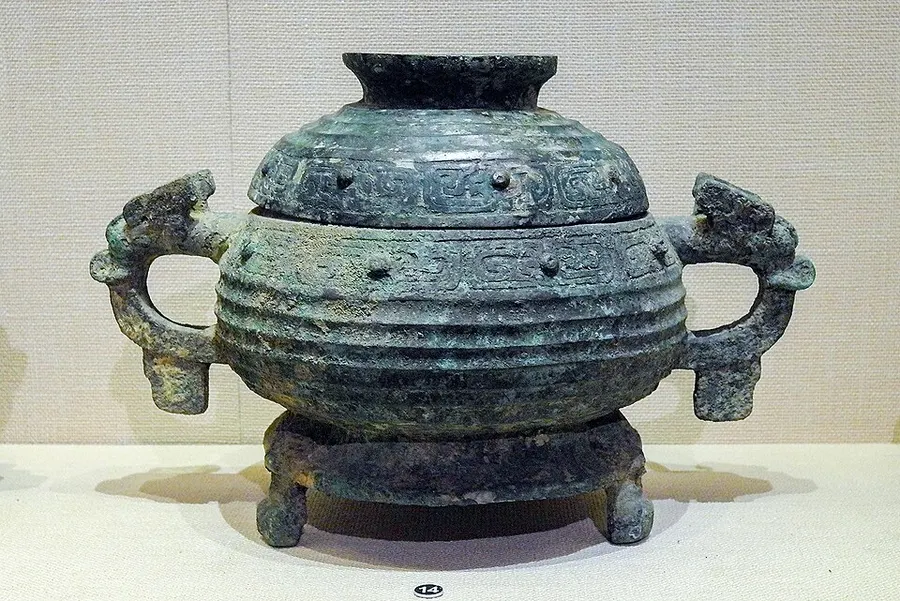
春秋时期
Spring and Autumn Period
Dynastic Timeline
A period of the Eastern Zhou marked by the decline of central power and the rise of regional states, yet a golden age of Chinese philosophy including Confucius and Laozi.
The cultural innovations and artistic achievements of this era continue to influence Chinese heritage traditions practiced today — from music and opera to crafts and martial arts. Understanding the Spring and Autumn Period is essential to understanding the deep roots of China's intangible cultural heritage.
Civilization Profile
An Era of Creation
Arts & Aesthetics
Distinctive artistic styles that defined the era
Literature & Philosophy
Foundational texts and schools of thought
Science & Innovation
Technological and scientific advances
Anchors of Empire
Chang'an
The world's first true metropolis and the pulse of the dynasty.
Dunhuang
The spiritual gateway where East met West in stone and light.
The Knowledge Network
“The arts flourished under imperial patronage, with master craftsmen refining their techniques to unprecedented levels of sophistication.”
Court Historian Imperial Records“The innovations of this era laid the foundation for cultural practices that continue to define Chinese identity today.”
Contemporary Scholar Cultural HeritageFoundation
Consolidation of cultural institutions and imperial patronage
Golden Age
Peak of artistic, intellectual, and commercial achievement
Enduring Legacy
Enduring influence on Chinese heritage traditions today
春秋时期 Pulse in the Modern Day
The Spring and Autumn Period left an indelible mark on Chinese civilization. Its contributions to art, philosophy, technology, and governance continue to resonate in the heritage practices preserved by communities across China today — a testament to the enduring power of cultural memory.
Explore the AtlasHistory & Development
This age of contested hegemonies incubated China's intellectual golden age. Confucius (551-479 BCE) taught ritual propriety and government by virtue, Laozi's Daoist tradition took shape, and Sun Tzu compiled The Art of War, still studied in military academies worldwide.
Technology shifted just as fast. Iron tools and ox-drawn ploughs spread through the eastern plains, raising yields and arming new powers, while the sword of King Goujian of Yue, excavated in Hubei in 1965 after 2,500 years underground, emerged untarnished from its lacquered scabbard.
Cultural Traditions
-
Hundred Schools of Thought
Itinerant advisers sold competing doctrines of virtue, law, diplomacy, and war to rival courts.
-
Iron and the Plough
Cast-iron implements appeared centuries before they reached Europe, transforming agriculture and warfare alike.
-
Hegemon System
Senior lords convened interstate summits and enforced order in the king's name without formally dethroning him.
Common Questions
Was Confucius a native of this region?
He taught in Lu, present-day Qufu in Shandong province, where his descendants' mansion and cemetery form a UNESCO World Heritage site.
Why does Goujian's sword matter?
Its razor edge and mirror surface demonstrate metallurgical mastery two and a half millennia old, preserved by airtight scabbard conditions.