夏朝
Xia Dynasty
The first dynasty in traditional Chinese historiography, marking the transition from Neolithic tribal society to a bronze-age state structure.
The cultural innovations and artistic achievements of this era continue to influence Chinese heritage traditions practiced today — from music and opera to crafts and martial arts. Understanding the Xia Dynasty is essential to understanding the deep roots of China's intangible cultural heritage.
Civilization Profile
An Era of Creation
Arts & Aesthetics
Distinctive artistic styles that defined the era
Literature & Philosophy
Foundational texts and schools of thought
Science & Innovation
Technological and scientific advances
Anchors of Empire
Chang'an
The world's first true metropolis and the pulse of the dynasty.
Dunhuang
The spiritual gateway where East met West in stone and light.
The Knowledge Network
“The arts flourished under imperial patronage, with master craftsmen refining their techniques to unprecedented levels of sophistication.”
Court Historian Imperial Records“The innovations of this era laid the foundation for cultural practices that continue to define Chinese identity today.”
Contemporary Scholar Cultural HeritageFoundation
Consolidation of cultural institutions and imperial patronage
Golden Age
Peak of artistic, intellectual, and commercial achievement
Enduring Legacy
Enduring influence on Chinese heritage traditions today
夏朝 Pulse in the Modern Day
The Xia Dynasty left an indelible mark on Chinese civilization. Its contributions to art, philosophy, technology, and governance continue to resonate in the heritage practices preserved by communities across China today — a testament to the enduring power of cultural memory.
Explore the AtlasHistory & Development
The Xia sits at the boundary between archaeology and living memory. The Erlitou site in Henan, excavated from 1959 onward, yielded China's earliest bronze workshop complexes and palace foundations across roughly three square kilometres, and the Xia-Shang-Zhou Chronology Project mobilised more than 200 scholars between 1996 and 2000 to place the dynasty near 2070 to 1600 BCE.
Whatever the final scholarly verdict on Erlitou's royal identity, the era marks the decisive shift from Neolithic villages to territorial states. Flood-control labour along the Yellow River demanded coordinated hierarchies, and hereditary succession replaced merit-based abdication after the legendary Yu the Great tamed the waters.
Cultural Traditions
-
Erlitou Bronze Beginnings
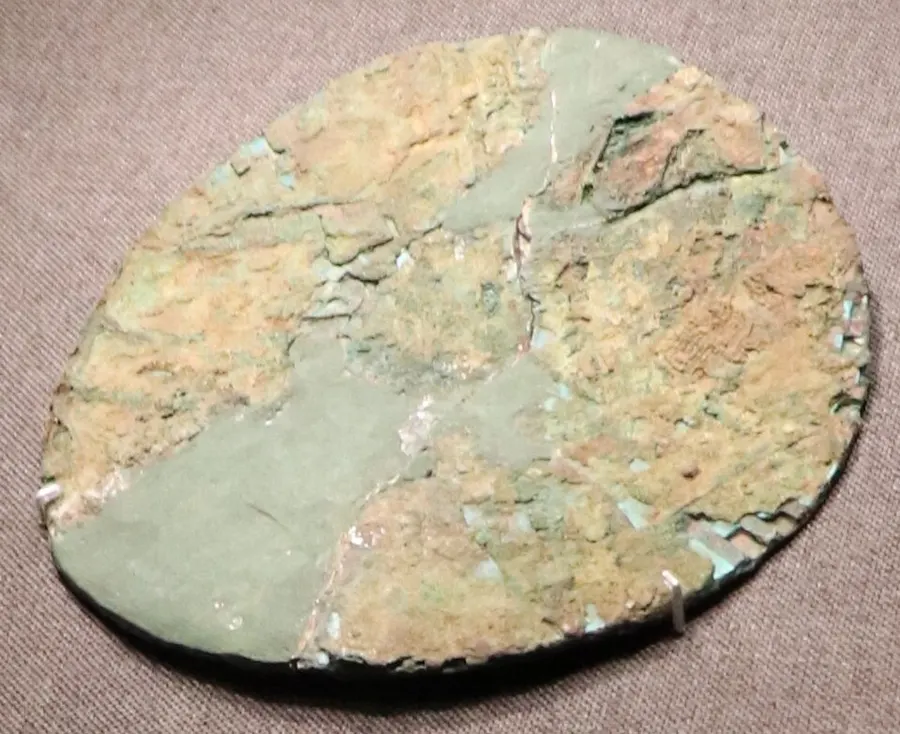
Turquoise-inlaid bronze plaques and casting moulds from Erlitou are among the earliest bronze ritual objects in East Asia.
-
Hereditary Kingship
The succession of Qi, son of Yu, established dynastic rule that shaped Chinese statehood for four millennia.
-
River Flood Organization
Large-scale dike and channel labour set the precedent for corvée engineering that later dynasties institutionalised.
Common Questions
Has the Xia dynasty been archaeologically confirmed?
No direct writing survives, so most historians treat it as proto-historical. The Yellow River basin excavations at Erlitou show a state-level society exactly where tradition places the Xia.
What was the Chronology Project?
A state-funded research programme (1996-2000) that combined radiocarbon dating, astronomy, and textual analysis to anchor early dynasty dates.