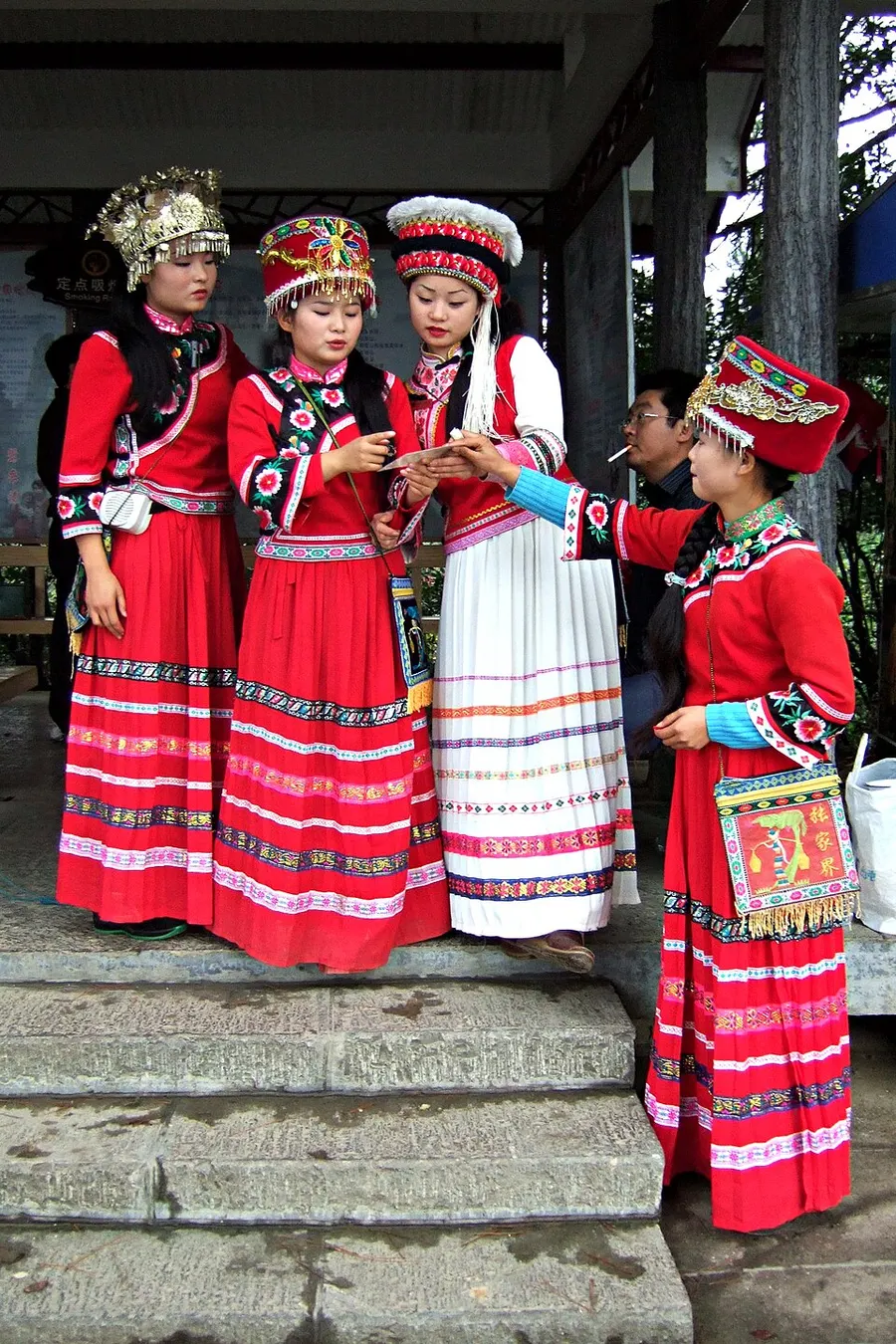
Tujia (土家族)
Mountain people of Wuling Range, known for hand-waving dance (baishouwu), brocade weaving (xilan kapu), and吊脚楼 stilt houses.
The Soul of the Tujia
Mountain people of Wuling Range, known for hand-waving dance (baishouwu), brocade weaving (xilan kapu), and吊脚楼 stilt houses.
The Tujia have cultivated a distinct cultural identity expressed through language, music, dance, craft, and ritual — a living heritage that has been passed down through countless generations. Their traditions reflect a profound relationship with their environment and a resilient spirit of cultural continuity.
Central to their identity is the Preserved orally — a vessel for cultural memory and spiritual knowledge. The Tujia worldview is fundamentally interconnected, viewing their surroundings not merely as terrain, but as a living environment where spirit and nature are inseparable.
Cultural DNA
- Identity
- Tujia
- 土家族
- Population
- ~800万
- 0.57% of China
- Language Family
- Preserved orally
- Primary Regions
- Ancestral lands across China
- Representative Heritage
- MusicDanceCraftsRitualsOral
- Status
- Active · Living Tradition
The Heritage Constellation
Cartography of the Homeland
An exploration of sacred geography, settlements, and historical migration pathways of the Tujia.
Living Traditions
Intangible knowledge passed through generations.
Neighboring Peoples
The Tujia share cultural landscapes and historical exchange with neighboring ethnic communities across the region.
The Ritual Cycle
Festivals mark the rhythms of life for the Tujia — celebrating harvests, honoring ancestors, and strengthening community bonds through music, dance, and feasting.
No festival relations recorded. Explore festival calendar
A Journey Through Time
Cross-Cultural Threads
History & Development
The Tujia, about 8.35 million people, inhabit the Wuling Mountains straddling western Hunan and Hubei plus Chongqing's southeast, descendants of the ancient Ba people whose tiger-totem bronzes predate the Qin. Their language, a Tibeto-Burman isolate relative, survives among perhaps tens of thousands of elders, while most Tujia now speak Southwestern Mandarin — yet ritual practice kept identity intact where words did not.
State recognition arrived in 1957, and heritage listings followed quickly: hand-waving dance (baishou), the maogusi proto-drama performed in straw costumes, and Xilankapu brocade all joined the first national register in 2006. Wailing weddings — brides trained to weep structured lament verses nightly for a month before marriage — persist as the group's most distinctive rite of passage, documented by folklorists as living oral poetry.
Cultural Pillars
- 01
Baishou Hand-Waving Dance
Up to thousands link hands in plaza circles cycling seventy-plus agricultural motifs — sowing, reaping, winnowing — performed at Tujia New Year in the sixth lunar month.
- 02
Maogusi Straw Drama
Performers coat themselves in straw reenacting primordial hunting and farming; scholars call it a living fossil of pre-theater ritual, staged before baishou each festival.
- 03
Xilankapu Brocade
Waist looms weave geometric "flower strips" in indigo and madder red, forty-eight classical patterns passed through weaver lineages in Longshan county.
- 04
Crying-Marriage Laments
Brides and female relatives perform wept verses praising parents and cursing parting; fluency in lament improvisation traditionally measured a household's cultivation.
Common Questions
What is the hand-waving dance about?
It dramatizes subsistence history — each movement cycle quotes farming, hunting, or military drill — performed communally at new year gatherings led by ritual masters called tisi.
Why do Tujia brides cry?
Weeping marks gratitude and severance rather than sorrow alone; the month-long "crying marriage" trains daughters in verse composition and family history, ending when the sedan departs.
How does Xilankapu differ from other Chinese brocades?
It uses a small waist loom worked diagonally without heddles, producing reversible geometric strips for quilts, belts, and baby carriers — domestic scale beside imperial workshops like Yunjin.