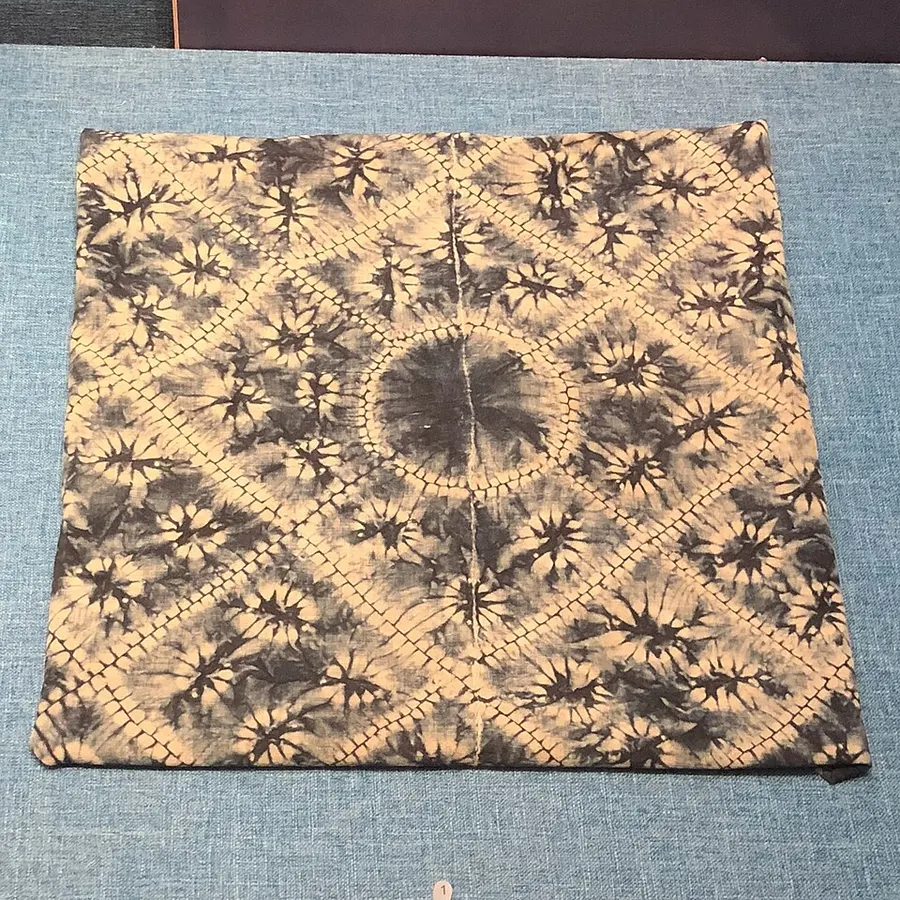
Mulao (仫佬族)
Rice-farming people of Guangxi, known for Yifan festival, walking prince drama, and bamboo-ball field hockey (dagunqiu).
The Soul of the Mulao
Rice-farming people of Guangxi, known for Yifan festival, walking prince drama, and bamboo-ball field hockey (dagunqiu).
The Mulao have cultivated a distinct cultural identity expressed through language, music, dance, craft, and ritual — a living heritage that has been passed down through countless generations. Their traditions reflect a profound relationship with their environment and a resilient spirit of cultural continuity.
Central to their identity is the Preserved orally — a vessel for cultural memory and spiritual knowledge. The Mulao worldview is fundamentally interconnected, viewing their surroundings not merely as terrain, but as a living environment where spirit and nature are inseparable.
Cultural DNA
- Identity
- Mulao
- 仫佬族
- Population
- ~21万
- 0.01% of China
- Language Family
- Preserved orally
- Primary Regions
- Ancestral lands across China
- Representative Heritage
- MusicDanceCraftsRitualsOral
- Status
- Active · Living Tradition
The Heritage Constellation
Cartography of the Homeland
An exploration of sacred geography, settlements, and historical migration pathways of the Mulao.
Living Traditions
Intangible knowledge passed through generations.
Neighboring Peoples
The Mulao share cultural landscapes and historical exchange with neighboring ethnic communities across the region.
The Ritual Cycle
Festivals mark the rhythms of life for the Mulao — celebrating harvests, honoring ancestors, and strengthening community bonds through music, dance, and feasting.
No festival relations recorded. Explore festival calendar
A Journey Through Time
Cross-Cultural Threads
History & Development
The Mulao, about 217,000 people, concentrate almost entirely in Luocheng County, Guangxi, farming karst valleys where their Dong-Sui language persists alongside Mandarin schooling. Historical tin and coal mining organized much of rural economy, and Mulao smiths cast famous coal-clay pots — composite vessels blending ore residue with local clay — that cooked and warmed households across northern Guangxi for generations.
Religious life peaks at the Yifan Festival, a grand thanksgiving every few lunar years when ritual masters ("yifa") erect lantern poles, recite clan registers, and feast entire villages in honor of guardian deities — nationally listed in 2006. Spring courtship fairs called Zuopo send young people singing up hillsides, while "walking-slope" verse exchanges remain the classic route to marriage alliances between surname groups.
Cultural Pillars
- 01
Yifan Thanksgiving
Multi-day rites renew village covenants: lantern poles invite star deities down, masters chant each surname's history, and communal banquets close with token goods auctioned for luck.
- 02
Coal-Clay Pot Casting
Smiths fuse anthracite fines with river clay into heat-tolerant cooking pots prized regionally; kiln knowhow passed through named workshop lineages.
- 03
Zuopo Courtship Fairs
Spring hillside gatherings pair antiphonal singing with gift riddles — correct answers advance courtships, wrong ones earn teasing encores.
- 04
Surname Feast Order
Yifan seating and serving rotate among the eight-plus founding surnames, an edible map of settlement sequence maintained through strict protocol.
Common Questions
How often does Yifan happen?
Traditionally every one to three years per village cycle, timed after autumn harvest; Luocheng's county-wide edition now draws regional tourists alongside the ritual core reserved for lineage members.
What is special about coal-clay pots?
They marry mining waste to pottery craft — cheap, crack-resistant over fire, and uniquely Mulao in material signature, though competition from enamelware nearly ended the lineage practice.
Are Mulao related to other Guangxi groups?
Linguistically yes — closest to Dong and Shui speakers; culturally they share hillside song courts with Zhuang neighbors while keeping distinct ancestor-rite calendars in northern Guangxi's karst belt.