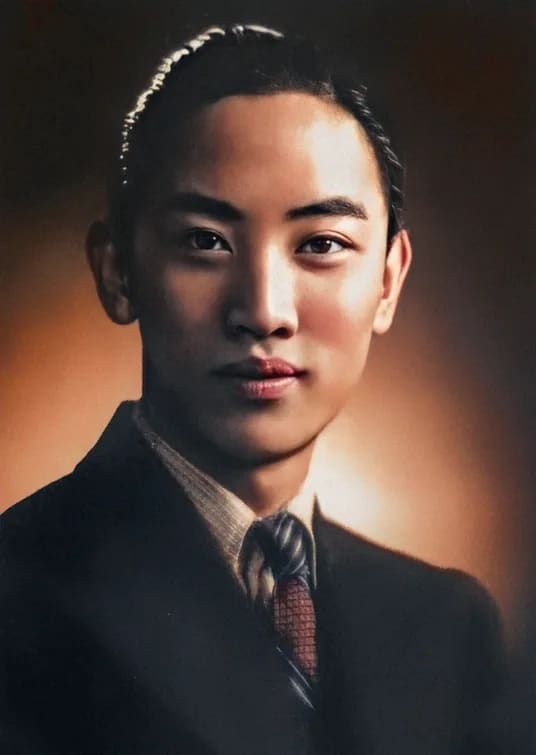
Zhang Junqiu
张君秋
Zhang Junqiu (1920-1997) was a Chinese Peking Opera qingyi performer, one of the Four Small Dan and founder of the Zhang school. His bright, supple singing drew on the four great dan styles and became one of the most widely taught voices in modern Peking Opera.
Zhang Junqiu (1920-1997), born Teng Jiaming, was a Chinese Peking Opera qingyi performer, one of the Four Small Dan and founder of the Zhang school. His singing blended the Mei, Shang, Cheng and Xun styles into a fresh, buoyant voice, and he is remembered for plays such as Wangjiang Pavilion.
Heritage DNA
Classification
Master of the Craft
Status
deceased
Year of Birth
1920
Location
Beijing
Region
North China
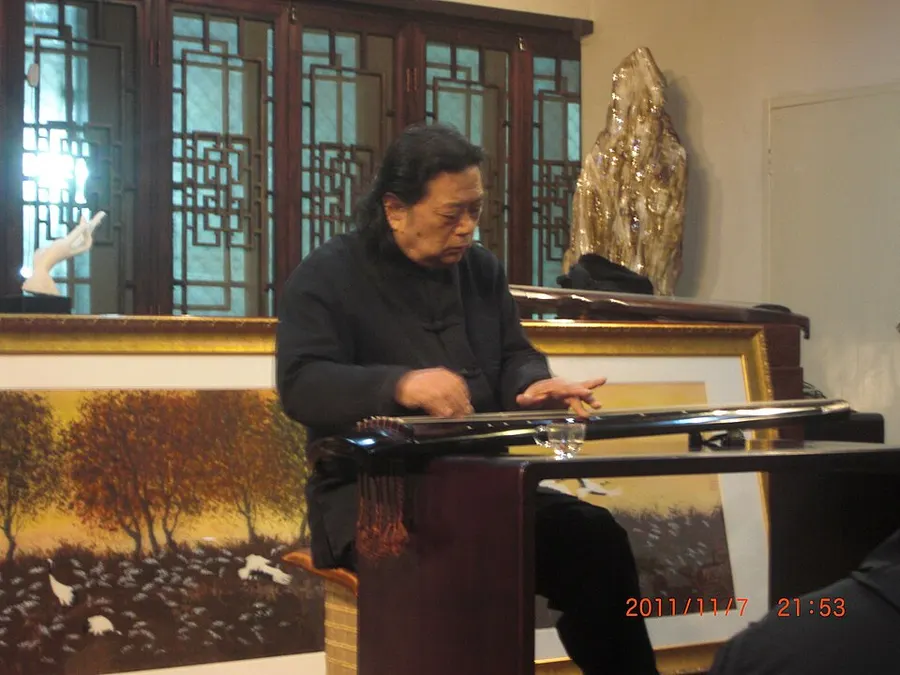
Next Master
Li Xiangting
李祥霆
See the Craft in Motion
The Cultural Network
Heritage is not a static artifact; it is a living web. These connections trace how a practice travels between people, places and crafts, and how Zhang's work sits within a wider tradition.
Domains of Mastery
Territories of Heritage
Geography shapes identity. Journey through the historical corridors that defined a civilization, from the arid Silk Road to the lush Tea Horse Road.
Beijing
North China
Masters of the Tradition
The true archive of heritage is found in the hands and minds of those who refuse to let the fire die out.
History & Development
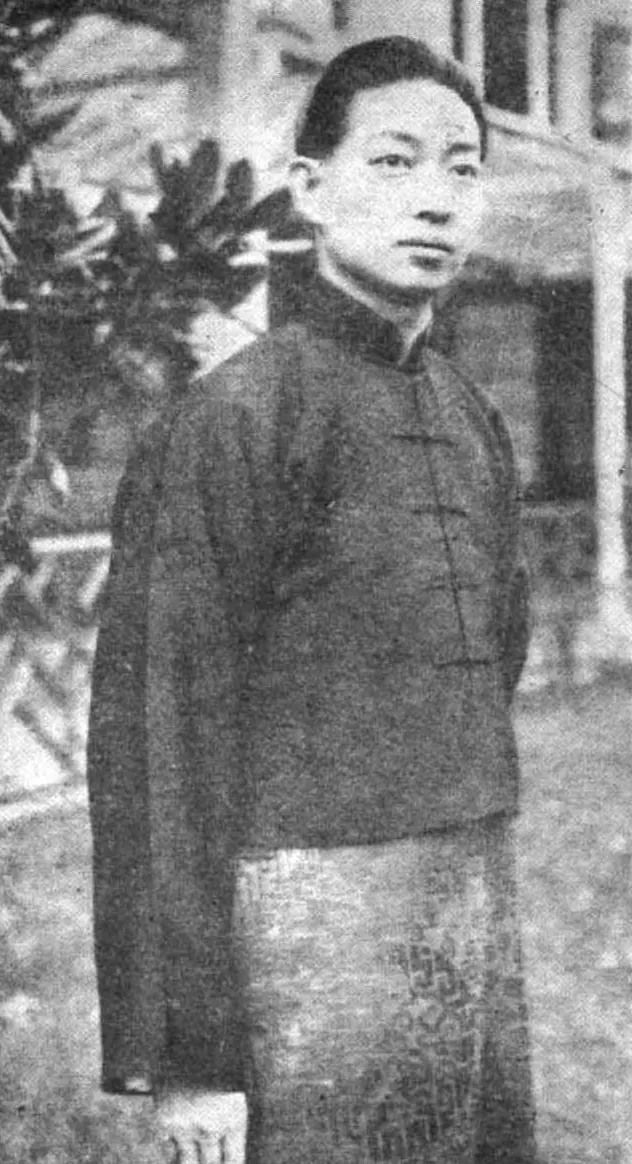
Zhang Junqiu was born in Beijing in 1920, originally named Teng Jiaming, with family roots in Dantu, Jiangsu. His family was poor and he was introduced to the actor Li Lingfeng in 1933, studying qingyi, the role type of dignified young or mature women. He made his name in 1935 with a performance of the opera segment The Prison Song, and in 1936 was named one of the Four Small Dan alongside Li Shifang, Mao Shilai and Song Dezhu.
He absorbed the strengths of the four great dan schools of Mei Lanfang, Shang Xiaoyun, Cheng Yanqiu and Xun Huisheng, and shaped them into a bright, flexible style of his own, the Zhang school. A contemporary paper summarised it as having the bearing of Mei, the voice of Shang, the phrasing of Cheng and the acting of Xun. He helped found the Beijing Peking Opera Troupe in 1951 and created new works as well as reviving classics.
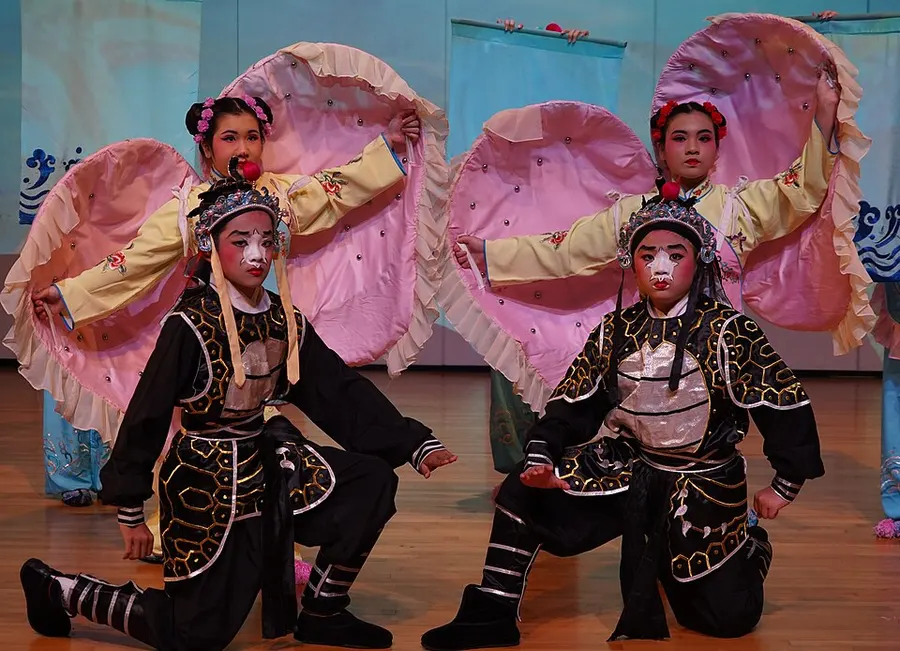
In later decades he devoted himself to transmission and preservation, directing an intensive training course for the Tianjin Youth Peking Opera Troupe and serving as artistic adviser to a large project that paired historic recordings with present-day performers. He died in 1997. The wider art form is described on our Peking Opera page.
Zhang Junqiu at a Glance
Core facts from CCTV, People's Daily and biographical records.
| Detail | Record |
|---|---|
| Born - died | 1920 - 1997 |
| Real name | Teng Jiaming (滕家鸣) |
| Origins | Born in Beijing; ancestral home Dantu, Jiangsu |
| Field | Peking Opera - qingyi (female) roles |
| School | Founder of the Zhang school (张派); one of the Four Small Dan |
| Training | Studied under Li Lingfeng from 1933; debuted in 1935 |
| Signature plays | Wangjiang Pavilion, The Imperial Concubine's Sacrifice, Zhuangyuan Chivalry |
| Later work | Led the "audio-with-image" preservation project for Peking Opera |
Cultural Traditions
-
Combining the Schools
Zhang studied the four great dan styles and forged a new synthesis from them. His voice is known for clarity, buoyancy and a wide expressive range.
-
Qingyi as Centre
Qingyi roles stress singing and poised bearing. Zhang expanded the emotional and vocal scope of the role type while keeping its discipline.
-
New Works
He created and staged new plays such as Wangjiang Pavilion and The Imperial Concubine's Sacrifice, which became staples of the Zhang repertoire.
-
Preserving Recordings
He advised the project that matched historic audio recordings to contemporary performers, a widely used method for keeping older interpretations alive.
Common Questions
Who was Zhang Junqiu?
Zhang Junqiu (1920-1997) was a Chinese Peking Opera qingyi performer, one of the Four Small Dan and founder of the Zhang school. He is remembered for plays such as Wangjiang Pavilion.
Was Zhang Junqiu one of the Four Great Dan?
No. He belonged to the next generation, counted among the Four Small Dan. The Four Great Dan were Mei Lanfang, Shang Xiaoyun, Cheng Yanqiu and Xun Huisheng, whose styles he studied and combined.
What characterises the Zhang school?
It is known for a bright, supple and emotionally direct vocal style. Zhang drew on the Mei, Shang, Cheng and Xun schools and fused them into a distinct, widely taught approach.
What is Zhang Junqiu's best-known play?
Wangjiang Pavilion (望江亭) is among his signature works, along with The Imperial Concubine's Sacrifice and Zhuangyuan Chivalry.
Where can I read about Peking Opera?
The history and performance conventions of the art form are covered on our Peking Opera page.
Behind the name
A life in craft leads somewhere you can visit.
The visit layer traces the traditions behind these profiles to the places where the craft is still taught and practised today.
This is a reading link, not a booking. Opening hours, tickets and prices change — check current details with the provider on the visit page.
The Atlas is Living
Every master is a living archive. Join a collective of explorers, artisans, and scholars dedicated to tracing the vibrant pulse of our shared world.