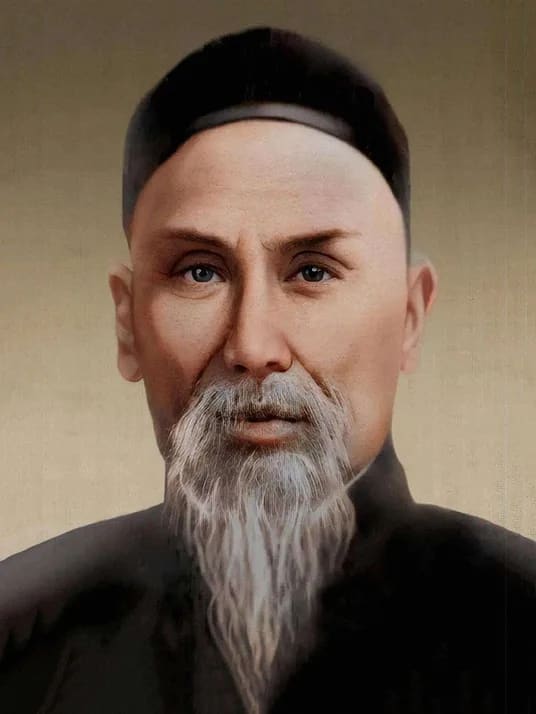
Yang Luchan
杨露禅
Yang Luchan (c.1799-1872) was the founder of Yang-style tai chi. He travelled from Hebei to Chenjiagou to study under Chen Changxing, then adapted the art into a gentler, more accessible form that his family taught in Beijing and that became the most widely practised style of tai chi.
Yang Luchan (c.1799-1872), born in Guangping prefecture, Hebei (today's Handan), was the founder of Yang-style tai chi. He travelled three times to Chenjiagou to learn from Chen Changxing and later simplified the art so that it could be taught widely in Beijing, passing it to his sons and grandson Yang Chengfu.
Heritage DNA
Classification
Master of the Craft
Status
deceased
Year of Birth
1799
Location
Hebei Province
Region
North China
Next Master
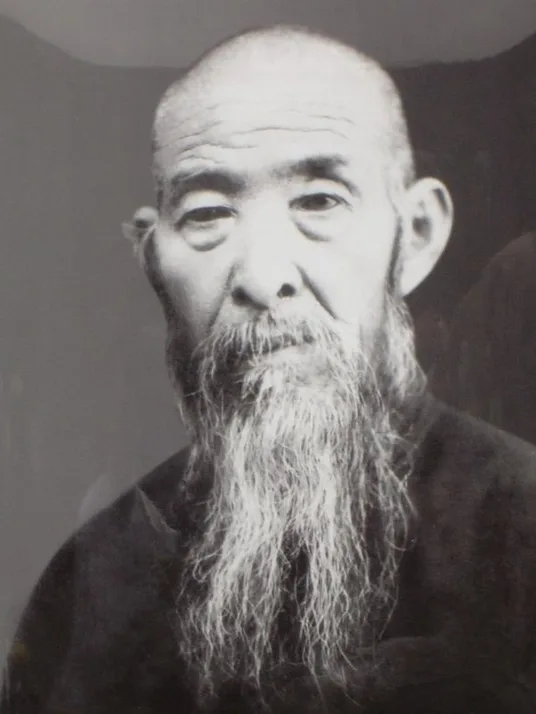
Sun Lutang
孙禄堂
See the Craft in Motion
The Cultural Network
Heritage is not a static artifact; it is a living web. These connections trace how a practice travels between people, places and crafts, and how Yang's work sits within a wider tradition.
Domains of Mastery
Territories of Heritage
Geography shapes identity. Journey through the historical corridors that defined a civilization, from the arid Silk Road to the lush Tea Horse Road.
Hebei Province
North China
Masters of the Tradition
The true archive of heritage is found in the hands and minds of those who refuse to let the fire die out.
History & Development
Yang Luchan was born in Guangping prefecture, Hebei, in the late eighteenth century; sources give both 1799 and 1796 as his birth year. He travelled to Chenjiagou in Henan to learn the local art, and according to the standard account studied under Chen Changxing over three visits spanning roughly eighteen years. Early accounts also describe him working in the Chen household before being accepted as a student; the popular "stealing the art" stories belong mainly to fiction and oral tradition.
He later taught in Beijing, where he adjusted the more demanding movements of the Chen form into a gentler, slower practice suited to a wider range of students. This made the art far easier to spread. His sons Yang Banhou and Yang Jianhou and especially his grandson Yang Chengfu refined the form into the Yang style known today.
He died in 1872. The Yang family teaching over three generations made tai chi one of the most practised internal martial arts in the world. The art and its history are described on our Tai Chi page.
Yang Luchan at a Glance
Core facts from the Baidu Baike biographical entry and tai chi historical records.
| Detail | Record |
|---|---|
| Born - died | c.1799 (also given as 1796) - 1872 |
| Birthplace | Guangping prefecture, Hebei (today's Handan) |
| Field | Internal martial arts - founder of Yang-style tai chi |
| Teacher | Chen Changxing of Chenjiagou, Henan |
| Training | Three trips to Chenjiagou over about eighteen years |
| Innovation | Simplified the hard movements into a softer, slower form |
| Family | Sons Yang Banhou and Yang Jianhou; grandson Yang Chengfu |
| Legacy | First to bring tai chi to a wide public in Beijing |
Cultural Traditions
-
Learning at Chenjiagou
Yang travelled repeatedly to Henan to study under Chen Changxing. The occasions and details vary in the sources, but the Chen connection is the central event of his biography.
-
Making the Art Accessible
He softened and simplified the form, reducing its most demanding movements. That change is widely credited with turning a village art into a practice that could spread through Beijing society.
-
A Family Transmission
His sons and grandson taught and revised the form. Yang Chengfu in particular fixed the large-frame Yang style that is common today.
-
A Recorded Founder
Yang is the first figure in the tai chi tradition whose teaching and family line are documented in some detail, which is why he is often called the first great transmitter of the art.
Common Questions
Who was Yang Luchan?
Yang Luchan (c.1799-1872) was the founder of Yang-style tai chi. He learned the art in Chenjiagou, Henan, and adapted it into a softer form that his family spread in Beijing.
Who taught Yang Luchan?
The standard account names Chen Changxing of Chenjiagou, Henan, as his teacher. Stories that Yang learned by secretly watching are largely later fiction and oral tradition.
What is Yang-style tai chi?
It is the most widely practised style of tai chi, developed from Yang Luchan's teaching and revised by his sons and grandson Yang Chengfu. Our Tai Chi page covers the art more broadly.
What did Yang Luchan change?
He simplified some of the more demanding movements of the older form, making the practice slower and gentler and therefore easier to teach to a wide range of people.
When was Yang Luchan born?
Sources differ: Baidu Baike gives both 1799 and 1796. His death year is consistently recorded as 1872, so his birth year is best treated as approximate.
Behind the name
A life in craft leads somewhere you can visit.
The visit layer traces the traditions behind these profiles to the places where the craft is still taught and practised today.
This is a reading link, not a booking. Opening hours, tickets and prices change — check current details with the provider on the visit page.
The Atlas is Living
Every master is a living archive. Join a collective of explorers, artisans, and scholars dedicated to tracing the vibrant pulse of our shared world.