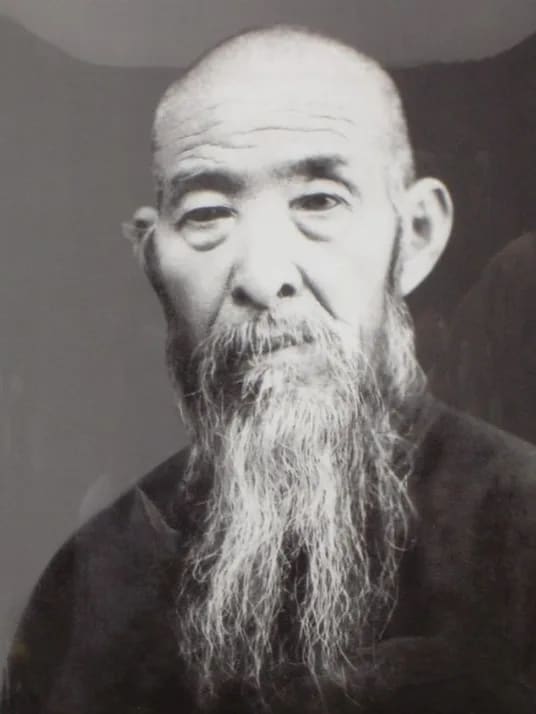
Sun Lutang
孙禄堂
Sun Lutang (1860-1933) was a Chinese martial artist who mastered xingyiquan, baguazhang and taijiquan, then combined them into the style that bears his name. He wrote several of the first systematic books on the internal martial arts and taught students across China.
Sun Lutang (1860-1933), born in Wangdu county, Hebei, was a martial artist who mastered xingyiquan, baguazhang and taijiquan and fused them into Sun-style tai chi. He wrote several foundational books on internal martial arts and taught many students, including his daughter Sun Jianyun.
Heritage DNA
Classification
Master of the Craft
Status
deceased
Year of Birth
1860
Location
Hebei Province
Region
North China
Next Master
Yang Luchan
杨露禅
See the Craft in Motion
The Cultural Network
Heritage is not a static artifact; it is a living web. These connections trace how a practice travels between people, places and crafts, and how Sun's work sits within a wider tradition.
Domains of Mastery
Territories of Heritage
Geography shapes identity. Journey through the historical corridors that defined a civilization, from the arid Silk Road to the lush Tea Horse Road.
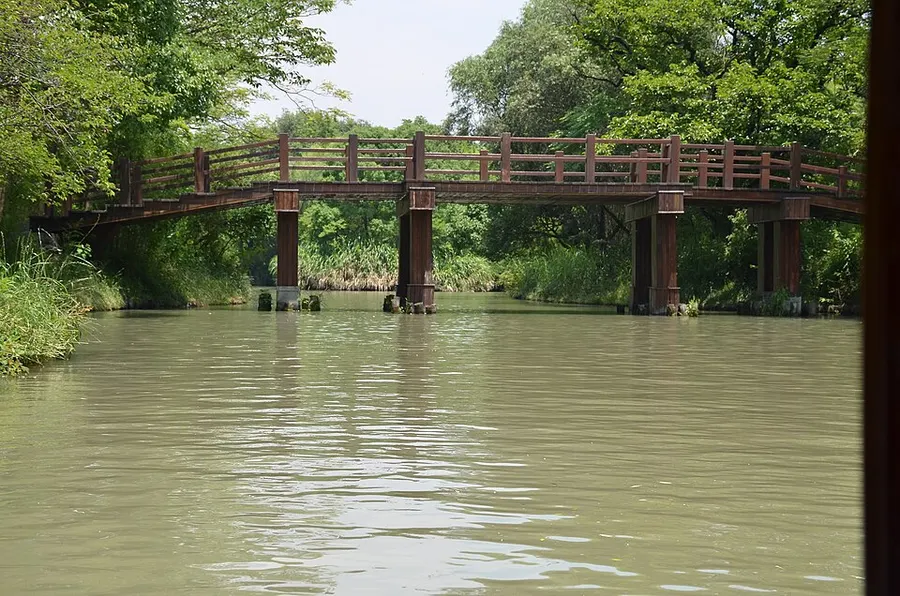
Hebei Province
North China
Masters of the Tradition
The true archive of heritage is found in the hands and minds of those who refuse to let the fire die out.
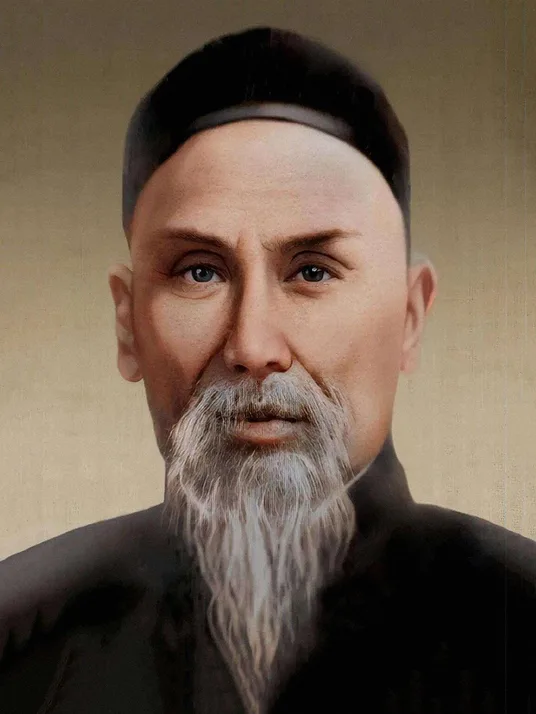
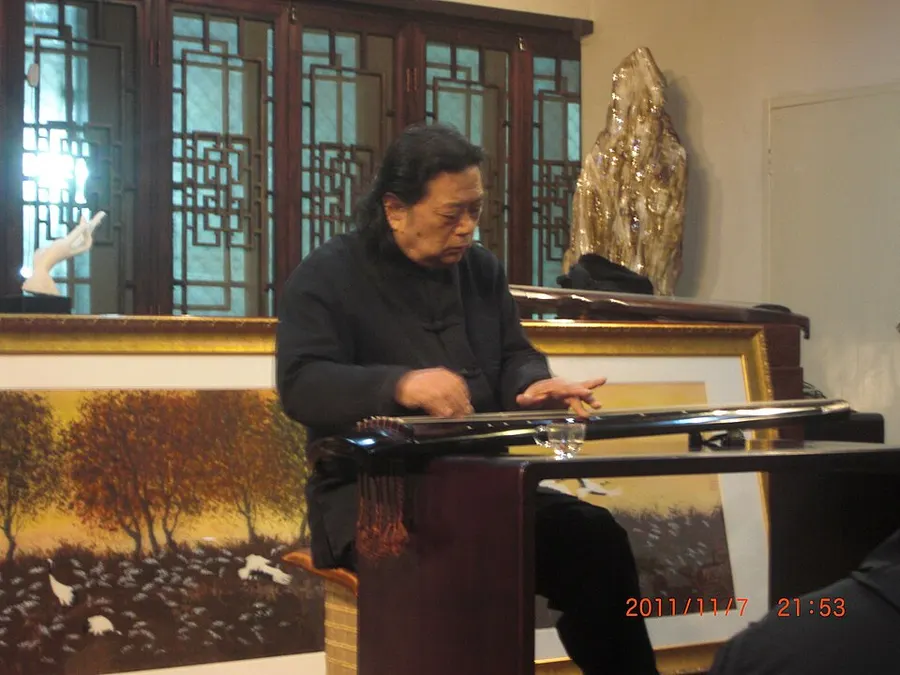
History & Development
Sun Lutang was born in 1860, with ancestral roots in Wangdu county, Hebei. He first studied xingyiquan for more than a decade under Li Kuiyuan and Guo Yunshen, and also received instruction from Song Shirong, Che Yizhai and Bai Xiyuan. He then learned baguazhang from Cheng Tinghua in Beijing, and in 1912 received the teaching of Hao Weizhen in taijiquan.
Around 1918 he brought the three arts together into a single system, now called Sun-style tai chi. Between 1915 and 1932 he wrote a series of books that were among the first systematic treatments of the internal martial arts, including studies of xingyiquan, baguazhang, taijiquan and the illustrated account of boxing principles, Quanyi Shuzhen.
He taught many students, among them Jin Yunting, Li Runru, Chen Weiming and Sha Guozheng, as well as his son Sun Cunzhou and daughter Sun Jianyun, who became a leading teacher of the style. He died in 1933. The broader art form is described on our Tai Chi page.
Sun Lutang at a Glance
Core facts from the Baidu Baike biographical entry and historical records.
| Detail | Record |
|---|---|
| Born - died | 1860 - 1933 |
| Birthplace | Wangdu county, Hebei (ancestral home) |
| Field | Internal martial arts: xingyiquan, baguazhang, taijiquan |
| Founded | Sun-style tai chi, synthesised around 1918 |
| Teachers | Li Kuiyuan, Guo Yunshen (xingyi); Cheng Tinghua (bagua); Hao Weizhen (tai chi) |
| Writings | Xingyiquan Xue; Baguazhang Xue; Taijiquan Xue; Quanyi Shuzhen |
| Students | Jin Yunting, Li Runru, Chen Weiming, Sha Guozheng, Sun Cunzhou, Sun Jianyun |
| Legacy | One of the major twentieth-century figures of the internal martial arts |
Cultural Traditions
-
Three Arts, One System
Sun trained for years in xingyiquan and baguazhang before receiving taijiquan teaching in Beijing. He synthesised the three into a distinct style rather than treating them as separate arts.
-
Books and Theory
His books set out the theory and practice of the internal arts in writing at a time when much of the transmission was oral, and remain reference texts for practitioners.
-
A Teaching Lineage
His students and family members carried the style onward. His daughter Sun Jianyun became the second-generation head of the Sun-style association.
-
Beyond Fighting
The Sun school emphasises cultivated movement and internal development as well as martial application, a theme that runs through his writings.
Common Questions
Who was Sun Lutang?
Sun Lutang (1860-1933) was a Chinese martial artist who studied xingyiquan, baguazhang and taijiquan and combined them into Sun-style tai chi. He also wrote influential books on the internal martial arts.
What was Sun Lutang famous for?
He was known for mastering three major internal martial arts and synthesising them into one system, and for writing systematic books that helped transmit their theory in print.
What is Sun-style tai chi?
It is a style of tai chi founded by Sun Lutang, drawing on xingyiquan and baguazhang as well as taijiquan. It is one of the recognised major styles of the art described on our Tai Chi page.
Who did Sun Lutang teach?
His notable students included Jin Yunting, Li Runru, Chen Weiming and Sha Guozheng. His son Sun Cunzhou and daughter Sun Jianyun also continued the family teaching.
What books did Sun Lutang write?
His works include Xingyiquan Xue, Baguazhang Xue, Taijiquan Xue and Quanyi Shuzhen, written mainly between 1915 and 1932.
Behind the name
A life in craft leads somewhere you can visit.
The visit layer traces the traditions behind these profiles to the places where the craft is still taught and practised today.
This is a reading link, not a booking. Opening hours, tickets and prices change — check current details with the provider on the visit page.
The Atlas is Living
Every master is a living archive. Join a collective of explorers, artisans, and scholars dedicated to tracing the vibrant pulse of our shared world.