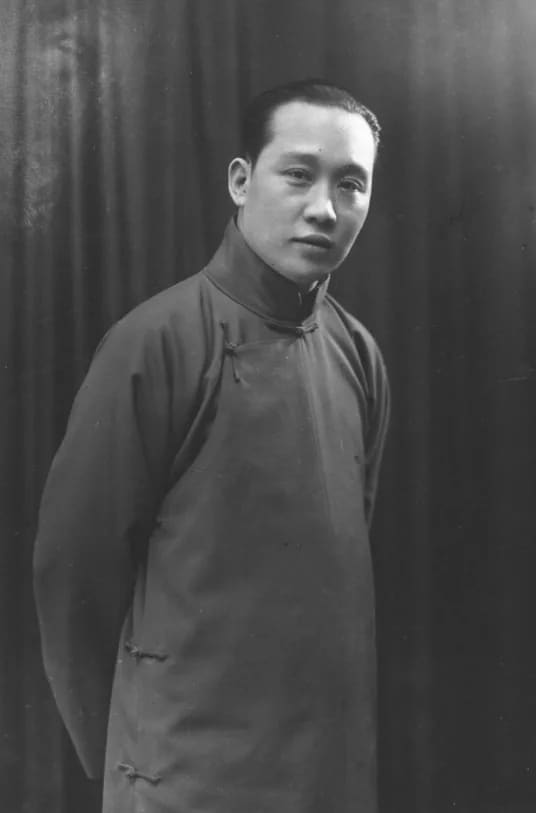
Xun Huisheng
荀慧生
Xun Huisheng (1900-1968) was a Chinese Peking Opera dan performer, one of the Four Great Dan and founder of the Xun school. Once known by the stage name White Peony, he brought a natural, spirited style to young female roles and wrote nearly a hundred new plays.
Xun Huisheng (1900-1968) was a Chinese Peking Opera dan performer and founder of the Xun school, one of the Four Great Dan. First trained in Hebei bangzi and once known by the stage name White Peony, he brought a lively, natural style to young female roles and created nearly a hundred new plays.
Heritage DNA
Classification
Master of the Craft
Status
deceased
Year of Birth
1900
Location
Beijing
Region
North China
Next Master
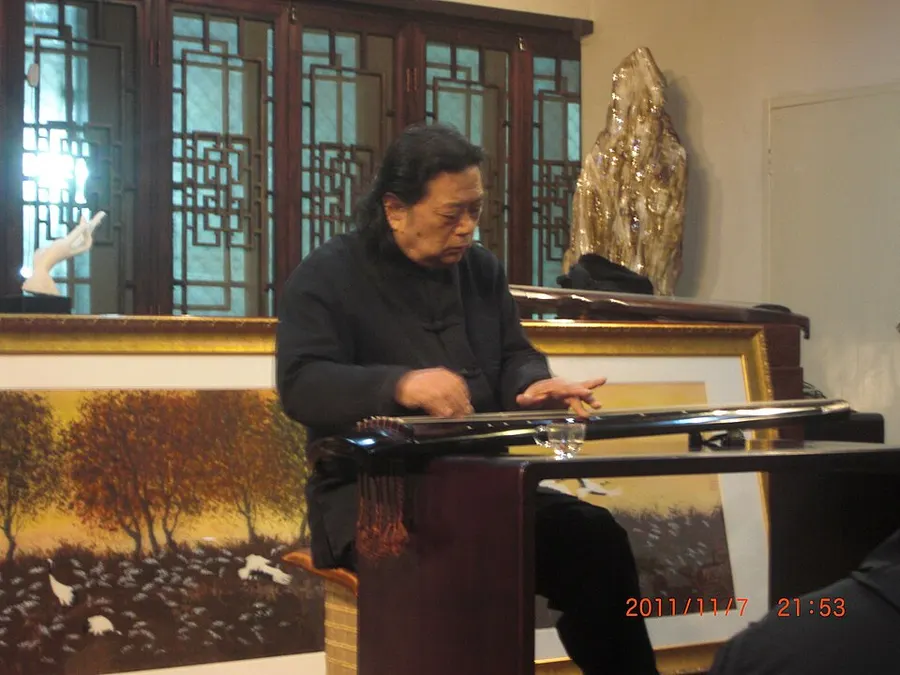
Li Xiangting
李祥霆
See the Craft in Motion
The Cultural Network
Heritage is not a static artifact; it is a living web. These connections trace how a practice travels between people, places and crafts, and how Xun's work sits within a wider tradition.
Domains of Mastery
Territories of Heritage
Geography shapes identity. Journey through the historical corridors that defined a civilization, from the arid Silk Road to the lush Tea Horse Road.
Beijing
North China
Masters of the Tradition
The true archive of heritage is found in the hands and minds of those who refuse to let the fire die out.
History & Development
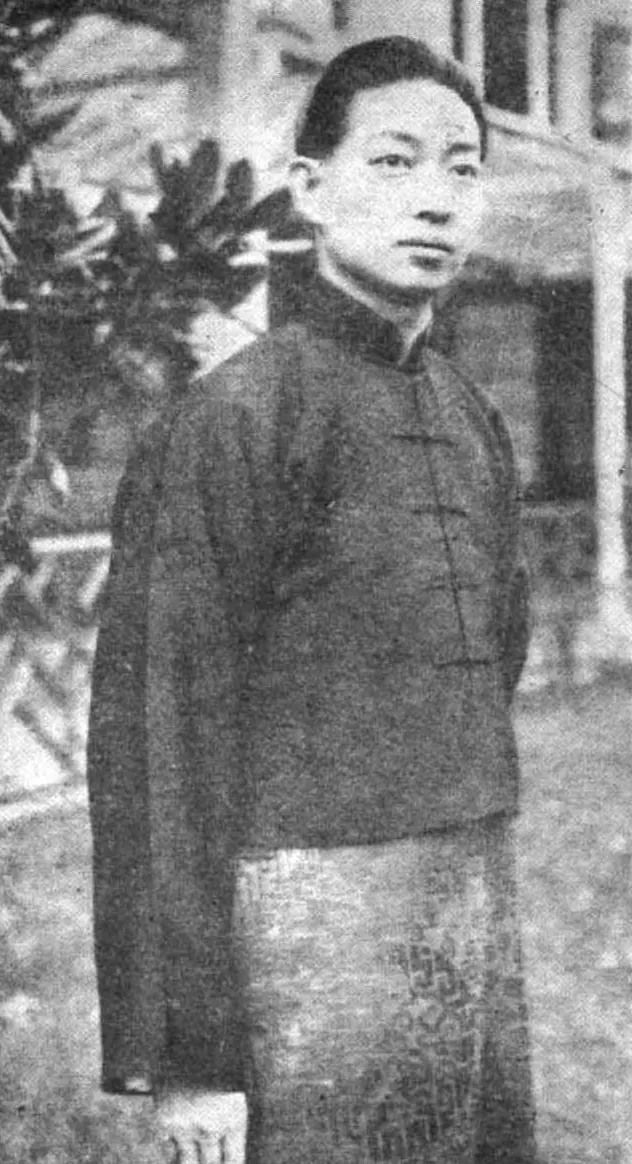
Xun Huisheng was born in 1900 in Fucheng county, Hebei. He first trained and performed in Hebei bangzi, a regional opera, appearing on stage as a child under the name White Peony. He moved into Peking Opera in 1917 and, after performing with the older-male specialist Yu Shuyan, took the name by which he is remembered.
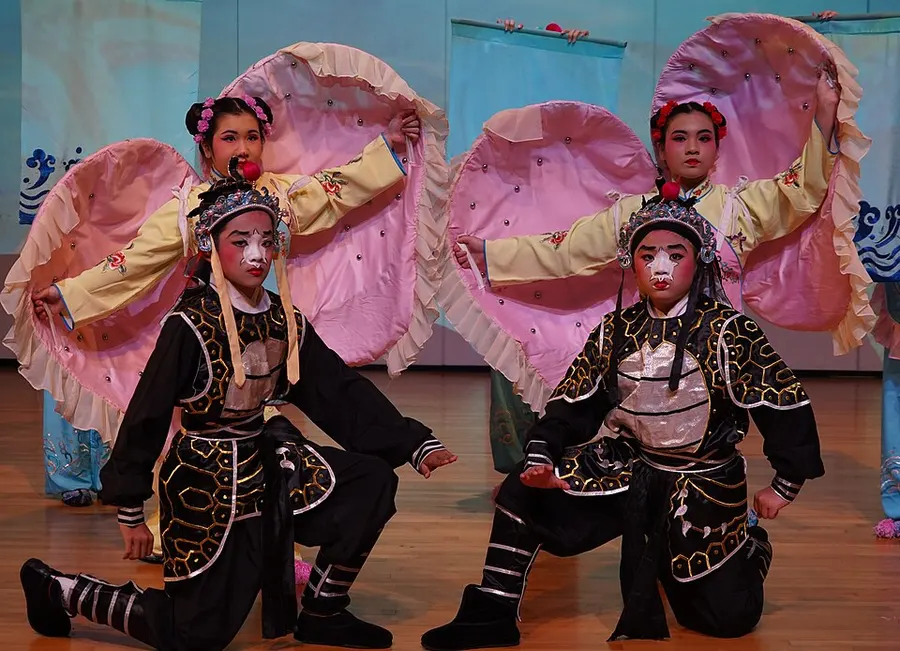
He drew on Kun, bangzi and other regional tunes to widen the dan vocabulary, and was known for lively, natural young women rather than only stately heroines. The Red Maid, the clever maidservant from the Romance of the Western Chamber, became his most famous role. Across his career he created close to a hundred new plays, more than almost any of his contemporaries, and his school became one of the four great dan traditions.
During the war he gave benefit performances for the resistance and refused to perform for the Manchukuo regime. After 1949 he held posts in dramatists' associations and opera research. He died in 1968. The wider art form is described on our Peking Opera page.
Xun Huisheng at a Glance
Core facts from People's Daily, CCTV and the China Federation of Literary and Art Circles.
| Detail | Record |
|---|---|
| Born - died | 1900 - 1968 |
| Origins | Born in Fucheng county, Hebei |
| Stage name | Bai Mudan (白牡丹, White Peony) |
| Field | Peking Opera - dan (female) roles |
| School | Founder of the Xun school (荀派); one of the Four Great Dan |
| Early training | Trained first in Hebei bangzi, switched to Peking Opera in 1917 |
| Signature plays | The Red Maid, The Story of Xun Guanniang, Jin Yunu |
| Output | Created nearly a hundred new plays |
Cultural Traditions
-
From Bangzi to Peking Opera
Xun began in Hebei bangzi and carried its direct, vigorous energy into Peking Opera. That mixed background fed the accessibility of his style.
-
The Xun School
His dan style is warm, natural and expressive, especially in the portrayal of young women. It stresses clear speech and believable feeling over formal display.
-
Prolific New Plays
He wrote and staged nearly a hundred new works. The Red Maid and the Xun Guanniang stories remain central to the repertoire he left behind.
-
A Wide Role Range
Though identified with huadan and young female types, he could play qingyi, daomadan and other roles, an unusual breadth among the Four Great Dan.
Common Questions
Who was Xun Huisheng?
Xun Huisheng (1900-1968) was a Chinese Peking Opera dan performer, one of the Four Great Dan and founder of the Xun school. He was known for lively young female roles and for creating nearly a hundred new plays.
What is the Xun school known for?
It is known for a warm, natural style, especially in young female roles. Xun drew on regional tunes such as bangzi and emphasised clear speech and believable emotion.
Why was he called White Peony?
Bai Mudan, or White Peony, was his early stage name from his years performing Hebei bangzi as a child. He later adopted the name Xun Huisheng.
What is Xun Huisheng's most famous play?
The Red Maid (红娘), in which he played the quick-witted maidservant from the Romance of the Western Chamber, is his best-known role. He also created the Xun Guanniang plays.
Where can I read about Peking Opera?
The history and performance conventions of the art form are covered on our Peking Opera page.
Behind the name
A life in craft leads somewhere you can visit.
The visit layer traces the traditions behind these profiles to the places where the craft is still taught and practised today.
This is a reading link, not a booking. Opening hours, tickets and prices change — check current details with the provider on the visit page.
The Atlas is Living
Every master is a living archive. Join a collective of explorers, artisans, and scholars dedicated to tracing the vibrant pulse of our shared world.