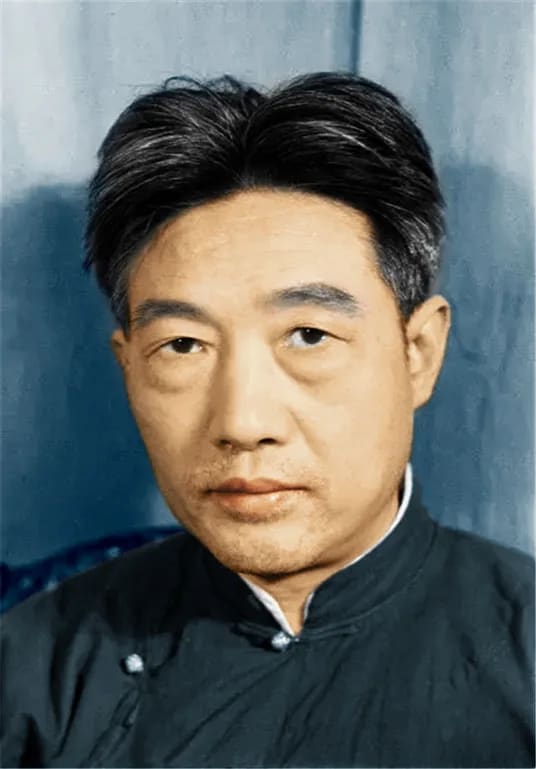
Xu Beihong
徐悲鸿
Xu Beihong (1895-1953) was a Chinese painter and art educator who helped found modern Chinese fine art. Trained in Japan and France, he brought Western realist drawing into Chinese ink painting and became a defining art teacher of his generation.
Xu Beihong (1895-1953) was a Chinese painter and art educator from Yixing, Jiangsu, a founder of modern Chinese fine art. He studied in Japan and France, returned in 1927, and blended Western realist technique with Chinese ink painting. He taught at National Central University and became president of the Central Academy of Fine Arts in 1949.
Heritage DNA
Classification
Master of the Craft
Status
deceased
Year of Birth
1895
Location
Beijing
Region
North China
Next Master
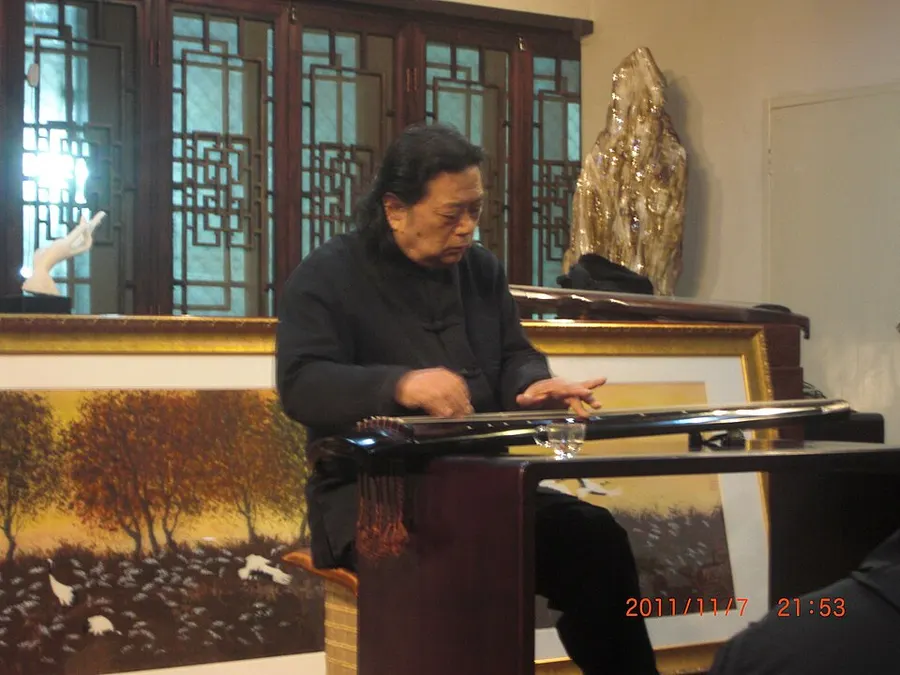
Li Xiangting
李祥霆
See the Craft in Motion
The Cultural Network
Heritage is not a static artifact; it is a living web. These connections trace how a practice travels between people, places and crafts, and how Xu's work sits within a wider tradition.
Domains of Mastery
Territories of Heritage
Geography shapes identity. Journey through the historical corridors that defined a civilization, from the arid Silk Road to the lush Tea Horse Road.
Beijing
North China
Masters of the Tradition
The true archive of heritage is found in the hands and minds of those who refuse to let the fire die out.
History & Development
Xu Beihong was born in 1895 in Yixing, Jiangsu Province. He studied in Japan in 1917 and then went to France in 1919, where he trained in oil painting and drawing and travelled through Western Europe. He returned to China in 1927 with a commitment to realism and to the idea that Chinese art could absorb Western methods without losing its own character.
Back in China he spent decades in art education, teaching at National Central University, Beiping University and the Beiping Art School. He argued for rigorous drawing, accurate structure and close observation, and urged artists to learn from nature. His ink paintings of horses became his most recognizable subject: the animals are built from careful anatomy yet rendered with expressive, flying brushwork.
During the War of Resistance he used historical and mythological subjects to speak to the moment. He painted Yu Gong Moves Mountains while in India in 1940, drawing on the old story of a family moving mountains by hand to express perseverance. After 1949 he became president of the Central Academy of Fine Arts and chair of the national artists association. He died in 1953.
Xu Beihong at a Glance
Core facts from CCTV, the Palace Museum and Chinese military history sources.
| Detail | Record |
|---|---|
| Born - died | 1895 - 1953 |
| Origins | Yixing, Jiangsu Province |
| Training | Studied in Japan (1917) and France (from 1919); returned 1927 |
| Fields | Oil painting, sketching, Chinese ink painting, art education |
| Approach | Realist drawing and anatomy fused with Chinese brushwork |
| Signature works | Galloping Horses, Yu Gong Moves Mountains, Tian Heng and His 500 Warriors |
| Teaching | National Central University; Beiping Art School; president of the Central Academy of Fine Arts from 1949 |
| Recognition | A founder of modern Chinese fine art and a pioneer of art education |
Cultural Traditions
-
Drawing as Foundation
Xu placed sketching and anatomical accuracy at the centre of training. He believed a painter must understand structure before seeking personal expression, an idea that reshaped art teaching in China.
-
Fusing East and West
Rather than abandon ink painting, he used Western perspective and modelling to renew it. His horses are Chinese in medium but carry a realist understanding of muscle and motion.
-
Art and Public Purpose
He used large historical paintings as public statements. Yu Gong Moves Mountains and Tian Heng and His 500 Warriors turned older stories into images of collective resolve during a difficult period.
-
A Teaching Legacy
Through the Central Academy of Fine Arts and earlier posts, he trained generations of artists and shaped the institutional framework of art education in modern China.
Common Questions
Who was Xu Beihong?
Xu Beihong (1895-1953) was a Chinese painter and art educator from Yixing, Jiangsu. He studied in Japan and France, returned in 1927, and became a founder of modern Chinese fine art and a leading teacher.
What is Xu Beihong famous for painting?
He is best known for his ink paintings of horses, rendered with realist anatomy and energetic brushwork. Historical works such as Yu Gong Moves Mountains and Tian Heng and His 500 Warriors are also central to his reputation.
How did Xu Beihong change Chinese art?
He introduced systematic Western drawing and realist training into Chinese art education while keeping Chinese ink as his medium. As president of the Central Academy of Fine Arts, he shaped how art was taught in modern China.
Did Xu Beihong study in France?
Yes. He went to France in 1919 after a period of study in Japan, trained in painting and drawing, and travelled through Western Europe before returning to China in 1927.
What is the story behind Yu Gong Moves Mountains?
Yu Gong, or the Foolish Old Man, is an old Chinese tale about a family determined to carry away two mountains blocking their home. Xu painted the subject in India in 1940, using it as an image of persistence during the War of Resistance.
Behind the name
A life in craft leads somewhere you can visit.
The visit layer traces the traditions behind these profiles to the places where the craft is still taught and practised today.
This is a reading link, not a booking. Opening hours, tickets and prices change — check current details with the provider on the visit page.
The Atlas is Living
Every master is a living archive. Join a collective of explorers, artisans, and scholars dedicated to tracing the vibrant pulse of our shared world.