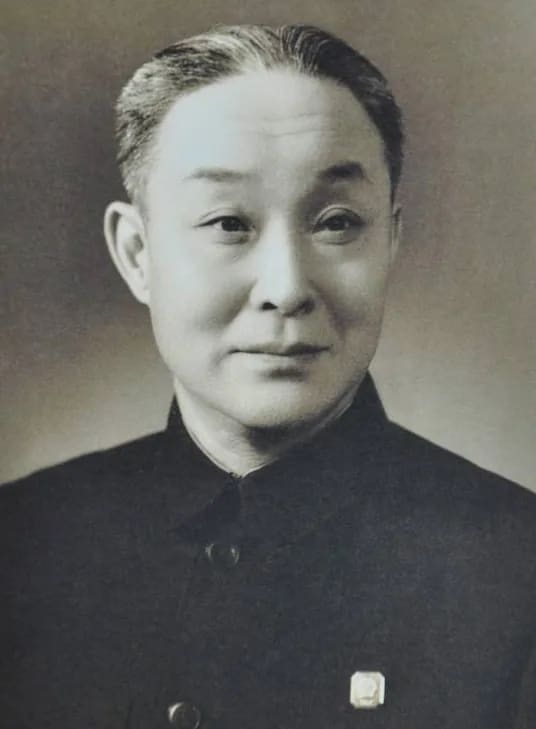
Shang Xiaoyun
尚小云
Shang Xiaoyun (1900-1976) was a Chinese Peking Opera dan performer, one of the Four Great Dan and founder of the Shang school. His high, vigorous singing and commanding stage presence made him a master of heroic female roles.
Shang Xiaoyun (1900-1976), born Shang Dequan, was a Chinese Peking Opera dan performer and founder of the Shang school, one of the Four Great Dan. His high, vigorous singing and strong stage presence suited heroic female roles, and he is remembered for Wang Zhaojun Goes Beyond the Great Wall.
Heritage DNA
Classification
Master of the Craft
Status
deceased
Year of Birth
1900
Location
Beijing
Region
North China
Next Master
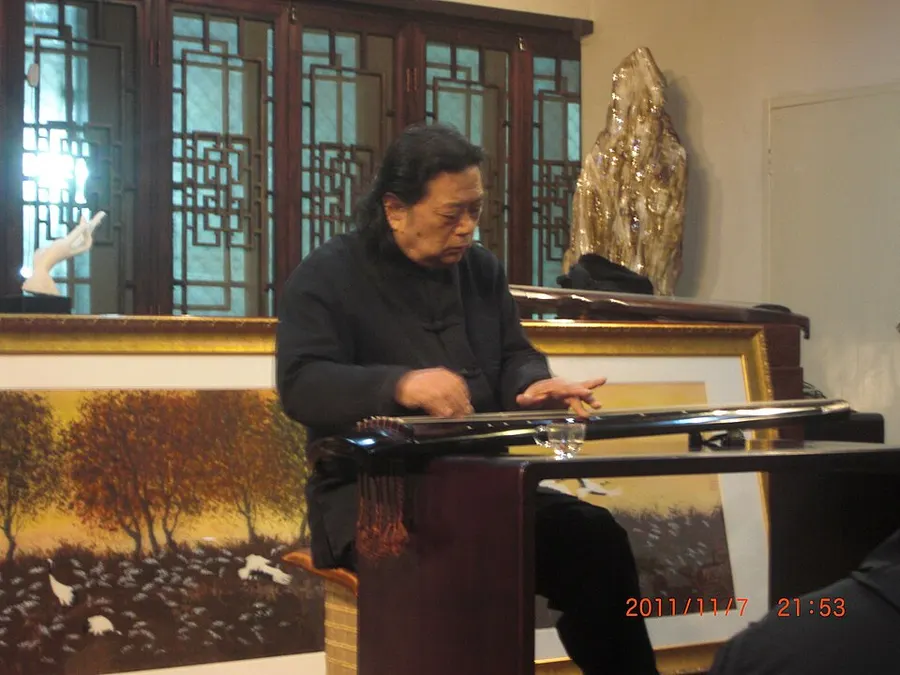
Li Xiangting
李祥霆
See the Craft in Motion
The Cultural Network
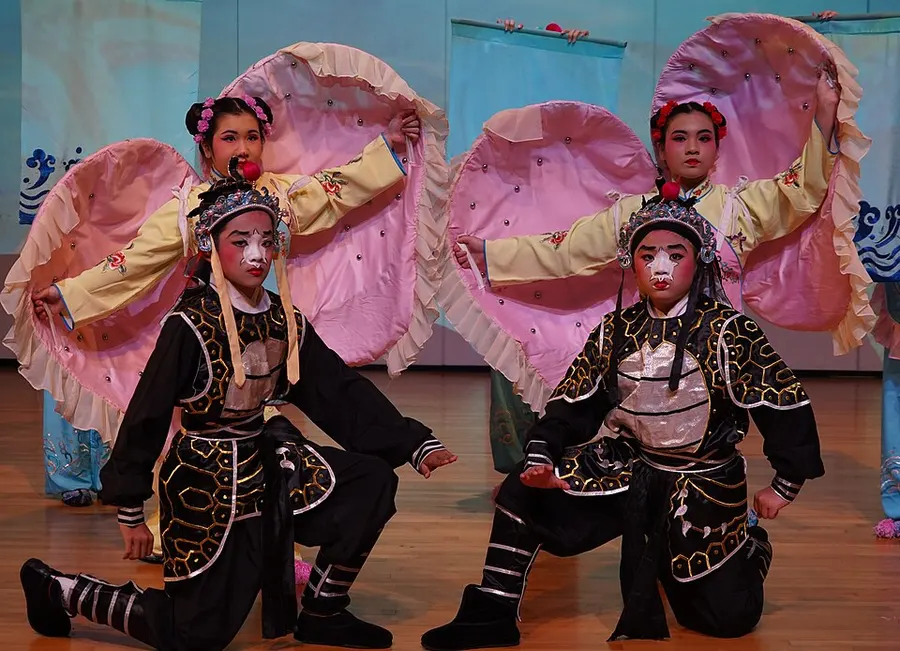
Heritage is not a static artifact; it is a living web. These connections trace how a practice travels between people, places and crafts, and how Shang's work sits within a wider tradition.
Domains of Mastery
Territories of Heritage
Geography shapes identity. Journey through the historical corridors that defined a civilization, from the arid Silk Road to the lush Tea Horse Road.
Beijing
North China
Masters of the Tradition
The true archive of heritage is found in the hands and minds of those who refuse to let the fire die out.
History & Development
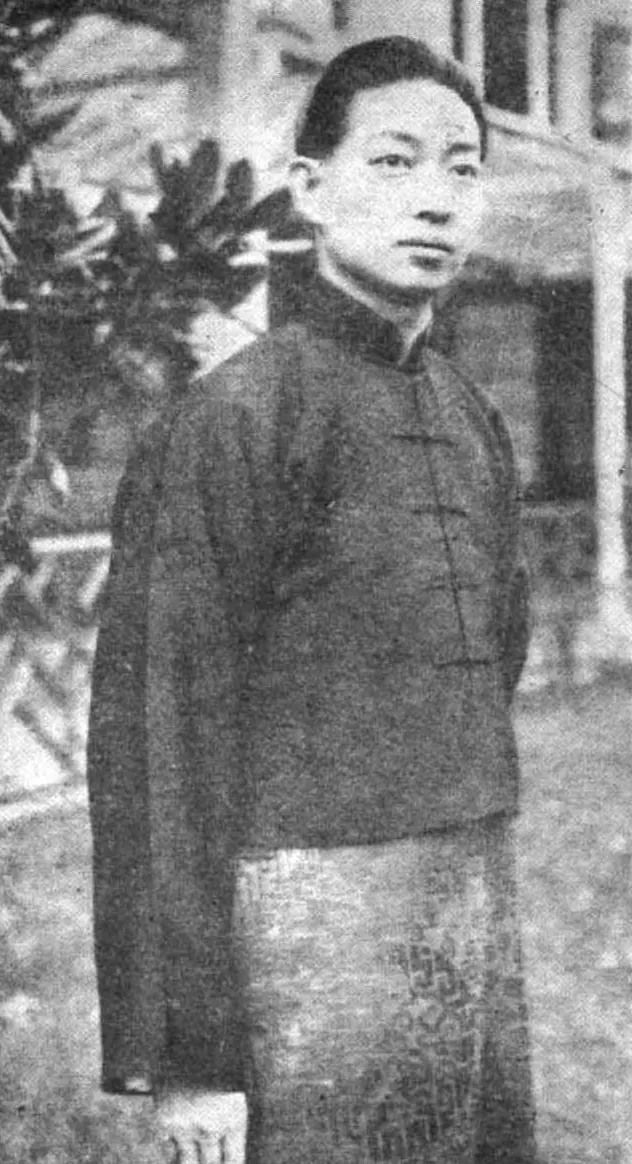
Shang Xiaoyun was born in Beijing in 1900, originally named Shang Dequan, with family roots in Nangong, Hebei. He began training as a child, first in old-male and then martial roles, before settling on dan. He was already being called a "child prodigy" by Beijing newspapers in his teens and formally completed his training in 1916.
His voice was high, clear and forceful, and he developed a method of lifting the line phrase by phrase, which suited warrior women and heroic figures. In 1924 a Beijing newspaper grouped him with Mei Lanfang, Cheng Yanqiu and Xun Huisheng as the Four Great Dan. He founded his own troupe and later a training school, and wrote and staged new plays, including works about the woman warrior Qin Liangyu.
He spent his later career in northwest China and became the first director of the Shaanxi Peking Opera Theatre. His best-known role is Wang Zhaojun travelling beyond the Great Wall, a part preserved in a 1962 film. He died in 1976. The wider art form is described on our Peking Opera page.
Shang Xiaoyun at a Glance
Core facts from People's Daily, CCTV and the China Federation of Literary and Art Circles.
| Detail | Record |
|---|---|
| Born - died | 1900 - 1976 |
| Real name | Shang Dequan (尚德泉), style name Qixia |
| Origins | Born in Beijing; ancestral home Nangong, Hebei |
| Field | Peking Opera - dan (female) roles |
| School | Founder of the Shang school (尚派); one of the Four Great Dan |
| Early training | Began in old-male and martial roles before settling on dan |
| Signature plays | Wang Zhaojun Goes Beyond the Great Wall, San Niang Teaches Her Son |
| Later post | First director of the Shaanxi Peking Opera Theatre |
Cultural Traditions
-
A Vigorous Dan Style
Shang's singing is high and strong, with a rising, phrase-by-phrase momentum. It differs from the softer styles of some other dan schools.
-
Heroic Women
He was drawn to roles of warrior women and women of principle, using martial skills and a forceful bearing within the dan repertoire.
-
Teacher and Founder
He ran his own troupe and a training school, and later led the Shaanxi Peking Opera Theatre, passing on both repertoire and method.
-
A Preserved Performance
A 1962 film of Wang Zhaojun Goes Beyond the Great Wall preserves his portrayal of the title role for later generations.
Common Questions
Who was Shang Xiaoyun?
Shang Xiaoyun (1900-1976) was a Chinese Peking Opera dan performer, one of the Four Great Dan and founder of the Shang school. He was known for heroic female roles.
What makes the Shang school different?
Its singing is high, vigorous and forceful, often rising through a series of phrases. The style lends itself to warrior women and strong dramatic characters.
What is Shang Xiaoyun's signature play?
Wang Zhaojun Goes Beyond the Great Wall (昭君出塞), in which he played the Han princess sent to the frontier, is his best-known role. A 1962 film preserves the performance.
Was Shang Xiaoyun one of the Four Great Dan?
Yes. He is counted with Mei Lanfang, Cheng Yanqiu and Xun Huisheng as the Four Great Dan of early twentieth-century Peking Opera, each the founder of a school.
Where can I read about Peking Opera?
The history and performance conventions of the art form are covered on our Peking Opera page.
Behind the name
A life in craft leads somewhere you can visit.
The visit layer traces the traditions behind these profiles to the places where the craft is still taught and practised today.
This is a reading link, not a booking. Opening hours, tickets and prices change — check current details with the provider on the visit page.
The Atlas is Living
Every master is a living archive. Join a collective of explorers, artisans, and scholars dedicated to tracing the vibrant pulse of our shared world.