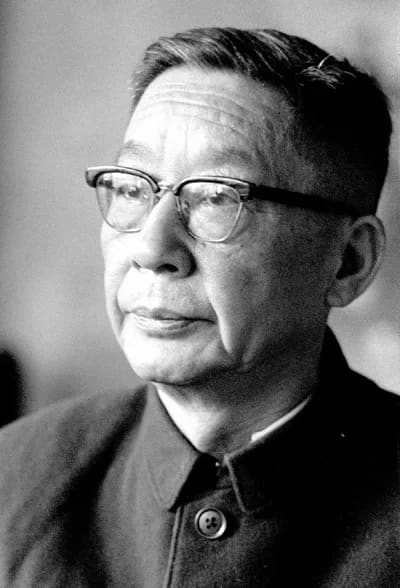
Lao She
老舍
Lao She (1899-1966) was a Chinese novelist and playwright whose humorous, colloquial writing depicted Beijing life across half a century. He is best known for the novels Rickshaw Boy and Four Generations Under One Roof and the play Teahouse.
Lao She (1899-1966), born in Beijing to a Manchu family, was a novelist and playwright known for Rickshaw Boy, Four Generations Under One Roof and the play Teahouse. His humorous, colloquial writing depicted Beijing life across half a century, and he was honoured as a "People's Artist" for his play Dragon Beard Ditch.
Heritage DNA
Classification
Master of the Craft
Status
deceased
Year of Birth
1899
Location
Beijing
Region
North China
Next Master
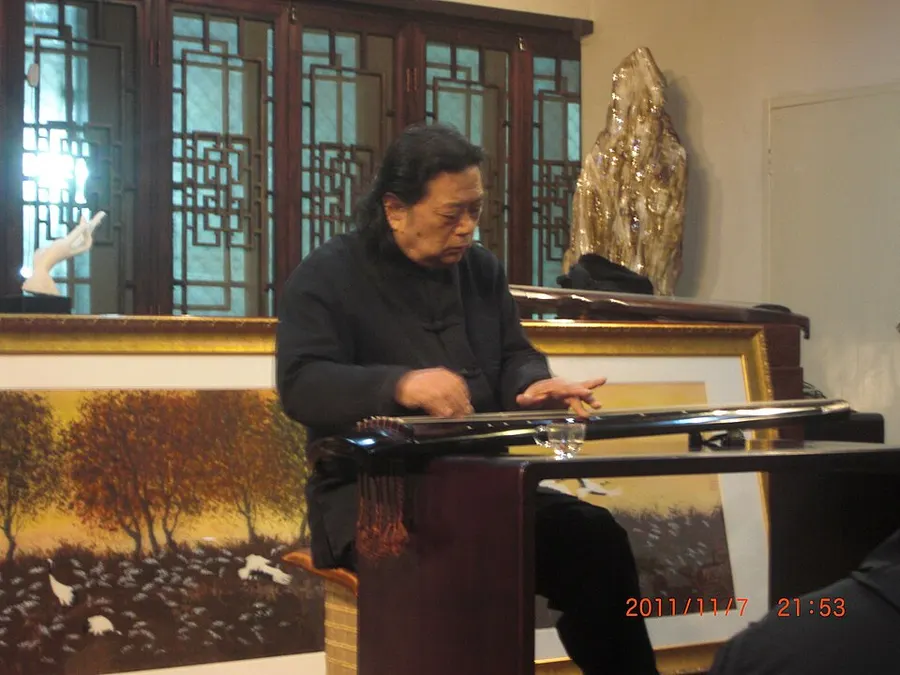
Li Xiangting
李祥霆
See the Craft in Motion
The Cultural Network
Heritage is not a static artifact; it is a living web. These connections trace how a practice travels between people, places and crafts, and how Lao's work sits within a wider tradition.
Domains of Mastery
Territories of Heritage
Geography shapes identity. Journey through the historical corridors that defined a civilization, from the arid Silk Road to the lush Tea Horse Road.
Beijing
North China
Masters of the Tradition
The true archive of heritage is found in the hands and minds of those who refuse to let the fire die out.
History & Development
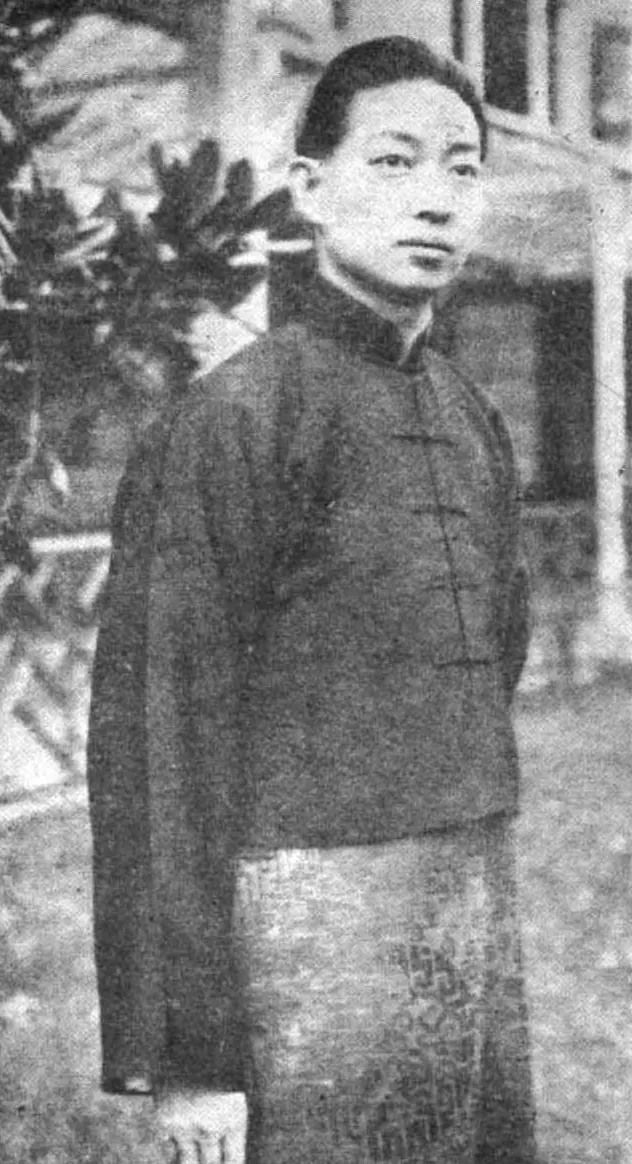
Lao She was born in Beijing in 1899 into a Manchu family with ancestral ties to Liaoyang, Liaoning. He grew up in a poor household in the city, and in 1924 went to the University of London as a lecturer, where he began publishing fiction including The Philosophy of Lao Zhang.
After returning to China he taught at Qilu University and wrote steadily through the 1930s, producing novels such as Cat Country and Four Generations Under One Roof. During the war he worked with the All-China Writers and Artists Anti-Aggression Association and wrote for the resistance effort. After 1949 he returned from a period of teaching and lecturing in the United States and served in Beijing literary organisations.
His best-known works include the novel Rickshaw Boy and the play Teahouse, both set among ordinary Beijing people. He was given the title "People's Artist" for his play Dragon Beard Ditch. He died in 1966.
Lao She at a Glance
Core facts from the Baidu Baike biographical entry and modern Chinese literary histories.
| Detail | Record |
|---|---|
| Born - died | 1899 - 1966 |
| Birthplace | Beijing; Manchu family, ancestral home in Liaoyang, Liaoning |
| Original name | Shu Qingchun, courtesy name Sheyu |
| Fields | Novel, short story, drama, prose |
| Title | "People's Artist", for the play Dragon Beard Ditch |
| Major novels | Rickshaw Boy; Four Generations Under One Roof; Cat Country |
| Major plays | Teahouse; Dragon Beard Ditch |
| Abroad | Lecturer at the University of London from 1924 |
Cultural Traditions
-
A Beijing Voice
Lao She's prose is built on the spoken language of Beijing. His dialogue and narration made everyday city life the subject of serious literature.
-
Humour and Compassion
His comic timing and warm observation of ordinary people became the hallmark of his style, from his early novels to Teahouse.
-
Teahouse
The play follows a Beijing teahouse and its customers across several decades, using a single setting to show changes in society.
-
A Wide Range
He wrote novels, short stories, plays and prose, and his works were translated into many languages.
Common Questions
Who was Lao She?
Lao She (1899-1966) was a Chinese novelist and playwright known for Rickshaw Boy, Four Generations Under One Roof and the play Teahouse, and for his vivid portrayal of Beijing life.
What is Lao She most famous for?
He is best known for the novel Rickshaw Boy and the play Teahouse. He received the title "People's Artist" for his play Dragon Beard Ditch.
What is Teahouse about?
Teahouse follows the customers and owner of a Beijing teahouse across several decades, using one setting to depict sweeping changes in Chinese society.
Where was Lao She from?
He was born in Beijing to a Manchu family whose ancestral home was in Liaoyang, Liaoning. Beijing life and speech shaped nearly all of his major works.
Was Lao She a representative inheritor?
No. Lao She was a modern writer, not a representative inheritor of an intangible cultural heritage craft. He is included here as a major cultural figure of the modern era.
Behind the name
A life in craft leads somewhere you can visit.
The visit layer traces the traditions behind these profiles to the places where the craft is still taught and practised today.
This is a reading link, not a booking. Opening hours, tickets and prices change — check current details with the provider on the visit page.
The Atlas is Living
Every master is a living archive. Join a collective of explorers, artisans, and scholars dedicated to tracing the vibrant pulse of our shared world.