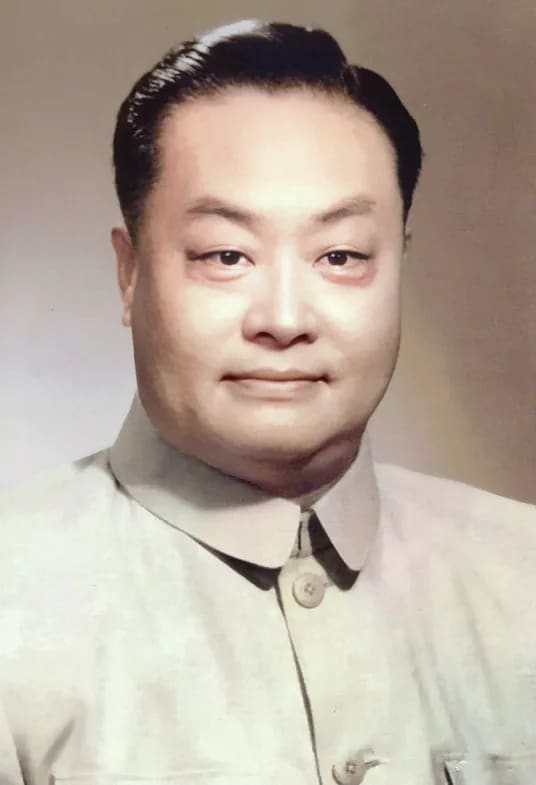
Cheng Yanqiu
程砚秋
Cheng Yanqiu (1904-1958) was a Peking Opera dan performer who became one of the Four Great Dan and founded the Cheng school. Born in Beijing to a Manchu family, he turned a youthful loss of voice into a distinctive faltering, plaintive style of singing.
Cheng Yanqiu (1904-1958) was a Chinese Peking Opera dan performer and founder of the Cheng school, one of the Four Great Dan. Born in Beijing to a Manchu family, he overcame a broken voice to create a distinctive faltering, plaintive singing style, and is remembered for plays such as The Unicorn Purse.
Heritage DNA
Classification
Master of the Craft
Status
deceased
Year of Birth
1904
Location
Beijing
Region
North China
Next Master
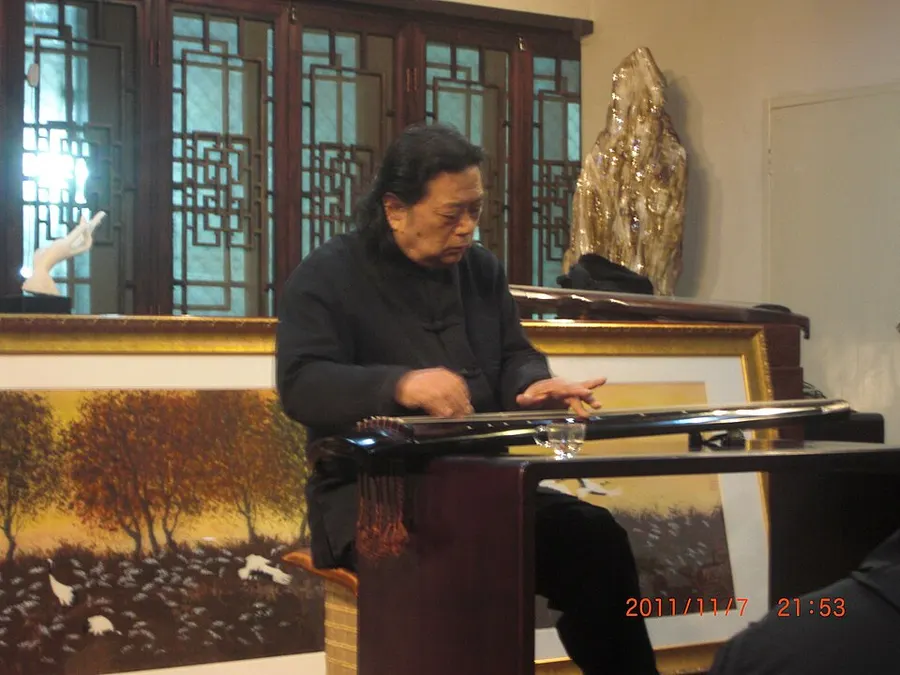
Li Xiangting
李祥霆
See the Craft in Motion
The Cultural Network
Heritage is not a static artifact; it is a living web. These connections trace how a practice travels between people, places and crafts, and how Cheng's work sits within a wider tradition.
Domains of Mastery
Territories of Heritage
Geography shapes identity. Journey through the historical corridors that defined a civilization, from the arid Silk Road to the lush Tea Horse Road.
Beijing
North China
Masters of the Tradition
The true archive of heritage is found in the hands and minds of those who refuse to let the fire die out.
History & Development
Cheng Yanqiu was born in Beijing in 1904 into a family of the Manchu Suochuo clan, originally named Chenglin. His family fell on hard times and he began training at seven under the comic actor Rong Diesheng. He first appeared under the stage name Yanqiu (艳秋). As a teenager he lost his voice, a crisis that might have ended a singing career, but he worked with his teacher Luo Yinggong to develop a new vocal method built around the voice he had.
That method became the Cheng school: a controlled, undulating line with sudden dips and pauses, suited to sorrowful and dignified female figures. He formed his own troupe in 1922 and from the 1920s to the 1940s created a string of new plays, including The Unicorn Purse (1940), which became his best-known work. He also studied opera music in southwest China and later served as deputy director of the China Academy of Dramatic Arts.
He died in Beijing in 1958 at fifty-four. In 2024 the China Federation of Literary and Art Circles, the Chinese Dramatists Association and the National Peking Opera Company marked the 120th anniversary of his birth. The wider art form is described on our Peking Opera page.
Cheng Yanqiu at a Glance
Core facts from People's Daily, Xinhua and the China Federation of Literary and Art Circles.
| Detail | Record |
|---|---|
| Born - died | 1904 - 1958 |
| Origins | Born in Beijing; Manchu, originally named Chenglin (承麟) |
| Field | Peking Opera - dan (female) roles |
| School | Founder of the Cheng school (程派); one of the Four Great Dan |
| Stage name | First Yanqiu (艳秋), changed to Yanqiu (砚秋) in 1932 |
| Voice | Faltering, plaintive, "if continuous yet broken" style |
| Signature plays | The Unicorn Purse, Tears of the Barren Mountain, Spring Dream in the Boudoir |
| Offices | Deputy director of the China Academy of Dramatic Arts |
Cultural Traditions
-
A Voice Remade
Cheng lost his singing voice as a teenager and rebuilt his technique around a lower, more flexible register. The famous "if continuous yet broken" quality grew out of that constraint.
-
The Cheng School
His style emphasises rhythmic nuance and emotional depth over display. It remains one of the major schools of Peking Opera dan performance.
-
New Plays
He created and staged many new works rather than only performing the old repertoire. The Unicorn Purse in particular became a signature of the school.
-
Scholar of the Art
Beyond the stage he investigated regional opera music, submitting a report on southwest Chinese traditions to the Ministry of Culture in 1951.
Common Questions
Who was Cheng Yanqiu?
Cheng Yanqiu (1904-1958) was a Chinese Peking Opera dan performer, one of the Four Great Dan and founder of the Cheng school. He is best known for the play The Unicorn Purse.
Why is the Cheng school singing style distinctive?
It uses a controlled, undulating line with sudden pauses and dips, creating a faltering, plaintive effect. Cheng developed it after losing his voice as a teenager, adapting his technique to the voice he had left.
What is Cheng Yanqiu's most famous play?
The Unicorn Purse (锁麟囊), first staged in 1940, is his best-known work and a centrepiece of the Cheng repertoire. Tears of the Barren Mountain and Spring Dream in the Boudoir are also closely associated with him.
Was Cheng Yanqiu one of the Four Great Dan?
Yes. He is counted with Mei Lanfang, Shang Xiaoyun and Xun Huisheng as one of the Four Great Dan of early twentieth-century Peking Opera, each the founder of a distinct school.
Where can I read about Peking Opera?
The history, roles and performance conventions of the art form are covered on our Peking Opera page.
Behind the name
A life in craft leads somewhere you can visit.
The visit layer traces the traditions behind these profiles to the places where the craft is still taught and practised today.
This is a reading link, not a booking. Opening hours, tickets and prices change — check current details with the provider on the visit page.
The Atlas is Living
Every master is a living archive. Join a collective of explorers, artisans, and scholars dedicated to tracing the vibrant pulse of our shared world.