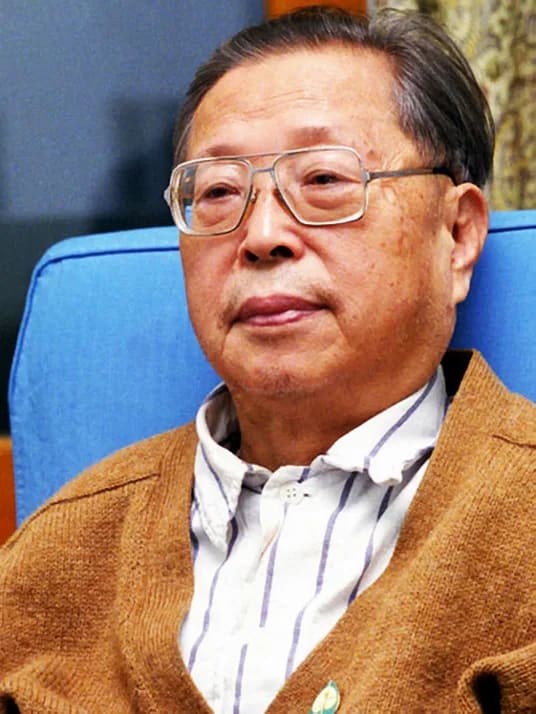
Cao Yu
曹禺
Cao Yu (1910-1996) was a modern Chinese playwright whose works Thunderstorm, Sunrise, The Wilderness and Peking Man are landmarks of the national theatre. He led the Beijing People's Art Theatre and the Central Academy of Drama.
Cao Yu (1910-1996), born in Tianjin with family roots in Qianjiang, Hubei, was a modern Chinese playwright whose Thunderstorm, Sunrise, The Wilderness and Peking Man are landmarks of modern Chinese drama. He served as president of the Beijing People's Art Theatre and of the Central Academy of Drama.
Heritage DNA
Classification
Master of the Craft
Status
deceased
Year of Birth
1910
Location
Beijing
Region
North China
Next Master
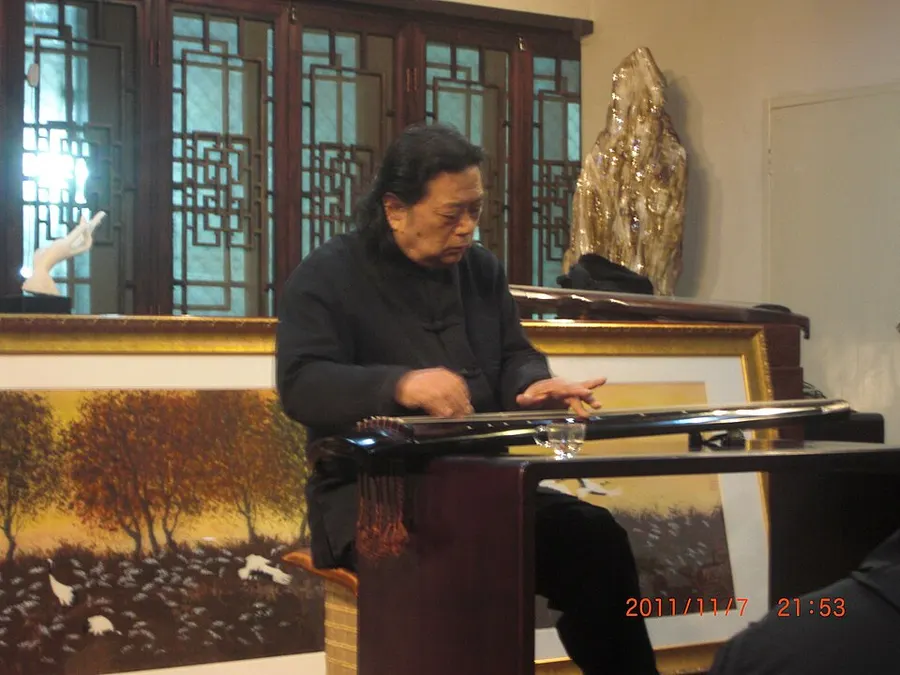
Li Xiangting
李祥霆
See the Craft in Motion
The Cultural Network
Heritage is not a static artifact; it is a living web. These connections trace how a practice travels between people, places and crafts, and how Cao's work sits within a wider tradition.
Domains of Mastery
Territories of Heritage
Geography shapes identity. Journey through the historical corridors that defined a civilization, from the arid Silk Road to the lush Tea Horse Road.
Beijing
North China
Masters of the Tradition
The true archive of heritage is found in the hands and minds of those who refuse to let the fire die out.
History & Development
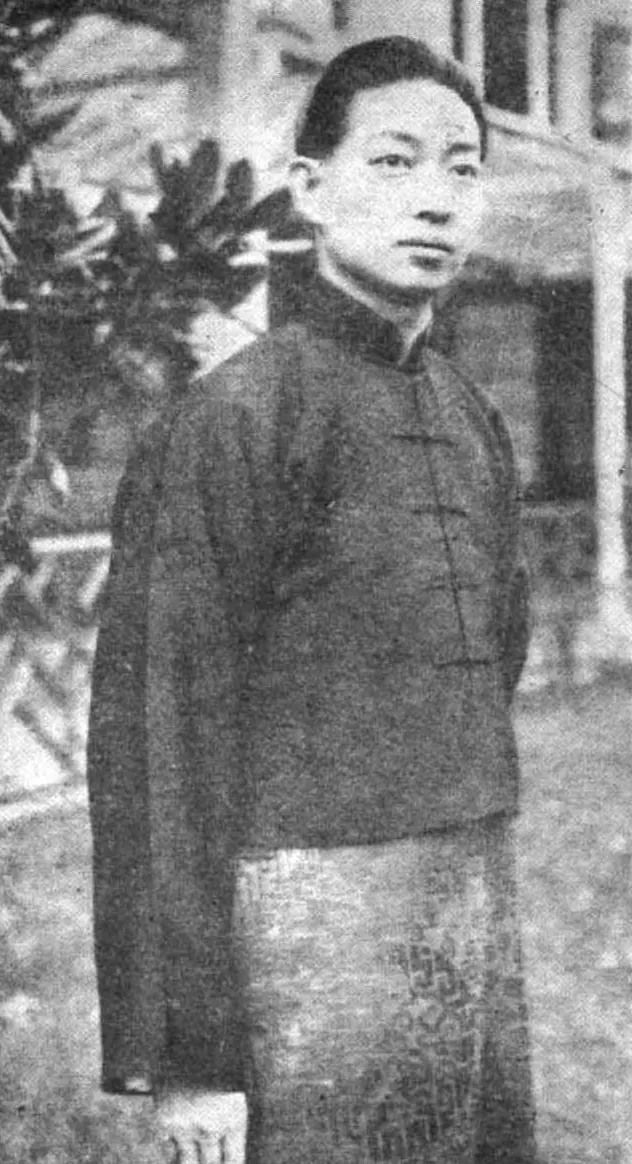
Cao Yu was born in 1910 in Tianjin, with ancestral roots in Qianjiang, Hubei, and originally named Wan Jiabao. He attended Nankai Middle School and took part in its new drama society, an experience that shaped his lifelong interest in the stage.
His first play, Thunderstorm, appeared in 1934 and is widely taken as the work that marked the maturity of modern Chinese spoken drama. He followed it with Sunrise, The Wilderness and Peking Man, plays built around intense family and social conflict. Chinese criticism has often called him the "Shakespeare of the East".
He held senior posts in Chinese theatre, including the presidency of the Beijing People's Art Theatre and of the Central Academy of Drama, and helped train generations of actors and directors. He died in Beijing in 1996.
Cao Yu at a Glance
Core facts from the Baidu Baike biographical entry and modern Chinese literary histories.
| Detail | Record |
|---|---|
| Born - died | 1910 - 1996 |
| Birthplace | Tianjin; ancestral home in Qianjiang, Hubei |
| Original name | Wan Jiabao, courtesy name Xiaoshi |
| Field | Modern Chinese drama |
| First play | Thunderstorm, 1934 |
| Major works | Thunderstorm; Sunrise; The Wilderness; Peking Man |
| Offices | President, Beijing People's Art Theatre; president and honorary president, Central Academy of Drama |
| Recognition | Called the "Shakespeare of the East" in Chinese criticism |
Cultural Traditions
-
A Young Masterpiece
He wrote Thunderstorm at the age of twenty-three. Its structure and emotional force made it a founding work of modern Chinese spoken drama.
-
Family and Society
His plays set private desires against the constraints of family and class, a tension that drives Thunderstorm and Sunrise in particular.
-
A Theatre Builder
Beyond writing, he led major institutions and taught, helping establish the institutions of modern Chinese theatre.
-
A Lasting Repertoire
His plays remain central to the repertoire of Chinese spoken drama and are regularly revived by national companies.
Common Questions
Who was Cao Yu?
Cao Yu (1910-1996) was a Chinese playwright whose Thunderstorm, Sunrise, The Wilderness and Peking Man are foundational works of modern Chinese drama.
What is Cao Yu most famous for?
He is best known for Thunderstorm, written when he was twenty-three, which is widely regarded as the work that marked the maturity of modern Chinese spoken drama.
What are Cao Yu's four major plays?
They are Thunderstorm, Sunrise, The Wilderness and Peking Man. Each explores family and social conflict through concentrated dramatic structure.
Why is Cao Yu called the Shakespeare of the East?
Chinese critics have compared him to Shakespeare for the scale of his dramatic art and his influence on the modern theatre, a description used in the biographical record rather than an objective ranking.
Was Cao Yu a representative inheritor?
No. He was a modern playwright and theatre leader, not a representative inheritor of an intangible cultural heritage craft. He is included here as a major cultural figure of the modern era.
Behind the name
A life in craft leads somewhere you can visit.
The visit layer traces the traditions behind these profiles to the places where the craft is still taught and practised today.
This is a reading link, not a booking. Opening hours, tickets and prices change — check current details with the provider on the visit page.
The Atlas is Living
Every master is a living archive. Join a collective of explorers, artisans, and scholars dedicated to tracing the vibrant pulse of our shared world.