Traditional Music
Xinjiang Uyghur Autonomous Region, Northwest China
Han Dynasty (202 BCE–220 CE), introduced via Silk Road
National Heritage
Master-Apprentice (Oral/Aural)
Oral Tradition
Pipa (Chinese Lute)
"A pear-shaped lute from the Silk Road — one of China's most virtuosic instruments with techniques that paint musical landscapes."
CIVILIZATION CONTEXT
This artifact is part of the Intangible Heritage Cluster. It connects to 8 entities across the atlas, spanning 2 regions, 0 masters, 0 festivals, and 0 skills.
Pipa (Chinese Lute): A Living Heritage
The pipa is a four-stringed plucked lute with a pear-shaped body, known for its virtuosic techniques and wide expressive range. Introduced from Central Asia during the Han Dynasty via the Silk Road, it was fully sinicized and became a major instrument in Tang Dynasty court music. Pipa techniques include powerful rolls, percussive slaps, and bending tones that can mimic the sounds of battle, horses, and flowing water.
2228+
Years of Unbroken Lineage
0
Related Cultural Vectors
History & Development
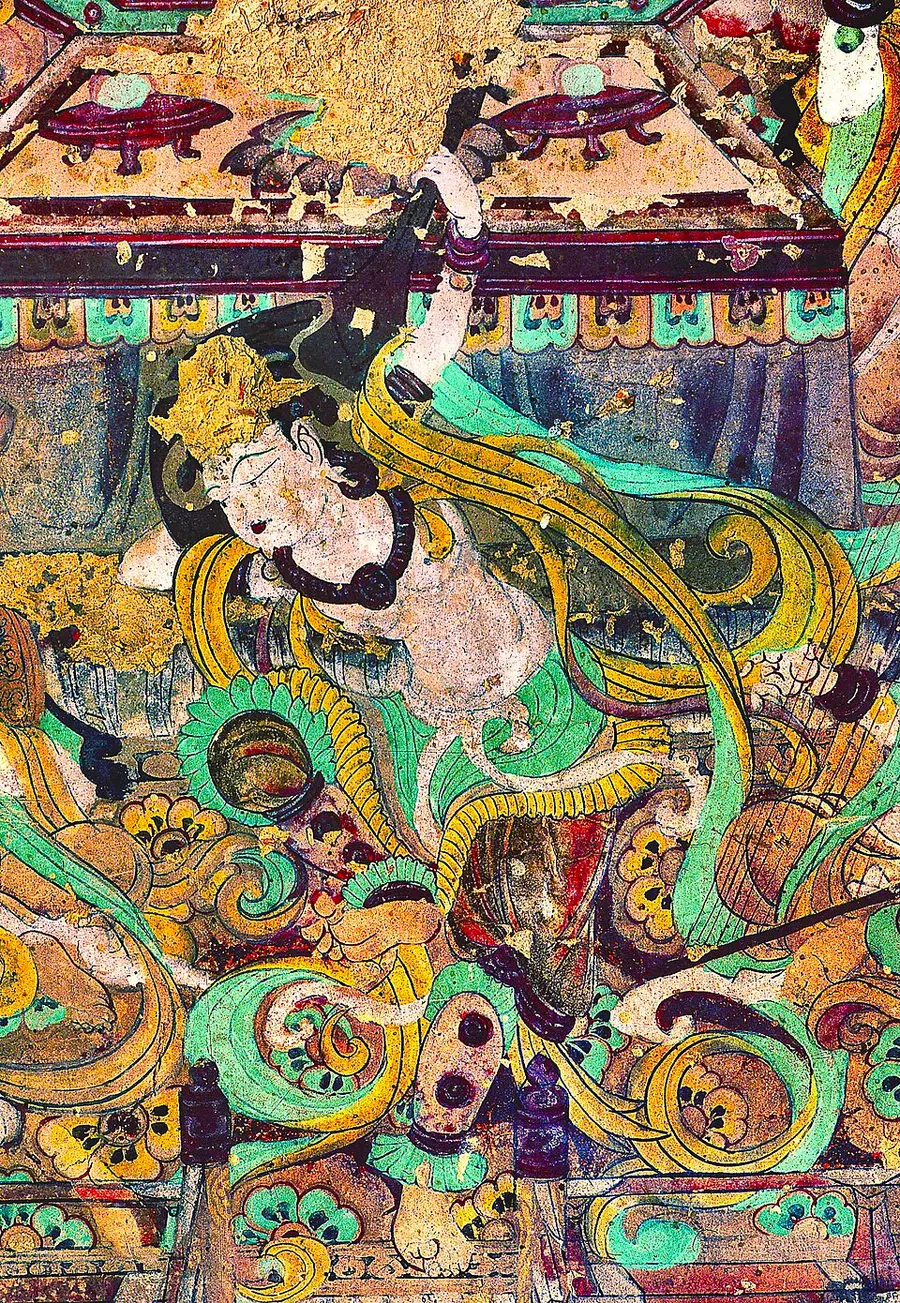
The pear-shaped pipa reached central China along the Silk Road and dominated Tang court music, when Bai Juyi's 816 poem Song of the Pipa described techniques players still name today. Performers turned the instrument upright and swapped the foreign plectrum for bare fingers during the Tang, fixing the playing position seen in the dynasty's court paintings.
The modern concert pipa carries more than thirty frets and steel strings for fully chromatic solo work, split between martial pieces such as Ambush from Ten Sides and civil lyric works like Spring River in the Flower Moon Night. A fifth-century five-string pipa survives in Japan's Shosoin treasury, and the State Council listed pipa art in the national intangible heritage list in June 2008.
How It Is Made
- 01
Training the lun finger roll
The right index, middle, ring, and thumb sweep the string in rapid succession, producing a singing tremolo that carries long melodies.
- 02
Mastering left-hand colour
Slides, bends, harmonics, and muted slaps give the four strings an orchestra of effects, from horse whinnies to temple bells.
- 03
Studying martial and civil styles
Martial pieces drive programme music with percussive attacks, while civil pieces breathe with lyrical tremolos, and players memorise both canons.
- 04
Reading gongche scores
Traditional cipher notation preserves phrase shapes, and students learn to expand its skeleton into full ornament under a teacher.
Common Questions
What does the Tang poem tell us?
Bai Juyi verses name techniques like the lun tremolo and describe a merchant's wife performing, evidence that solo pipa storytelling already filled riverside taverns twelve centuries ago.
Why is one pipa kept in Japan?
Japanese envoys carried Tang instruments home, and the Shosoin repository sealed a lacquered five-string pipa with mother-of-pearl inlay, now the oldest survivor of the family.
Where did the instrument come from?
Related lutes travelled from Central Asia, a route traced in the pipa desert story, before Chinese courts reshaped it into today's national solo voice heard beside Tang-dynasty court ensembles.
Watch & Learn
Stories & Legends
The Lute That Crossed the Desert: Pipa
historicalA Persian instrument that crossed the Silk Road and became unmistakably Chinese.
The Sound of Silk: Guzheng Across Millennia
historicalWhen the guzheng player's fingers sweep across 21 strings, Chinese memory speaks.
Relationship Constellation
Tracing the invisible threads that connect Pipa (Chinese Lute) to the broader civilization ecosystem.
Continue the Journey
Pipa (Chinese Lute)
Traditional Music
Dizi (Chinese Bamboo Flute)
Traditional Music
arrow_forwardAnsai Waist Drum Dance
Traditional Dance
arrow_forwardErhu (Chinese Two-String Fiddle)
Traditional Music
arrow_forward