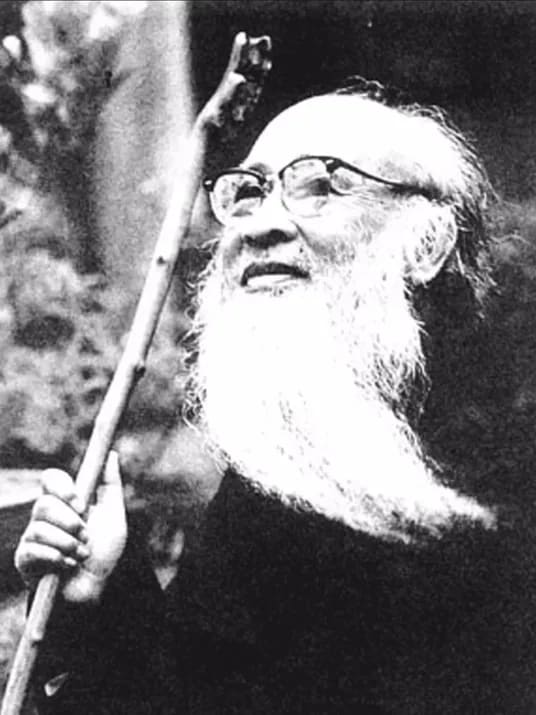
Zhang Daqian
张大千
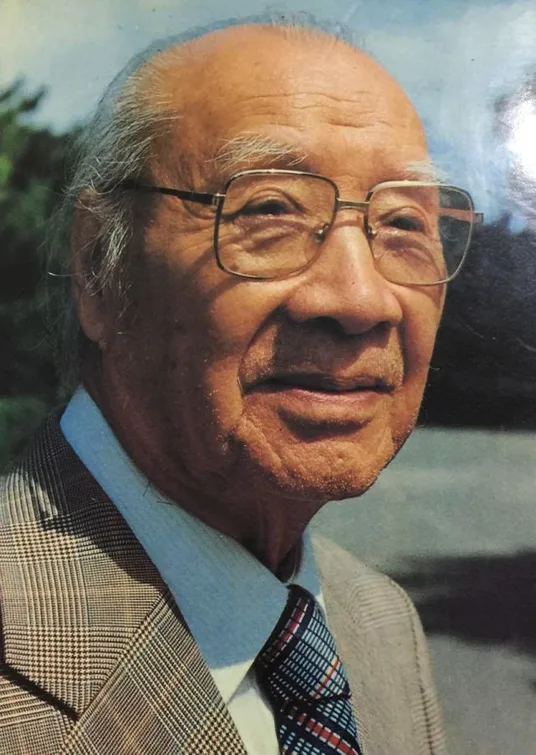
Zhang Daqian (1899-1983) was a Chinese painter whose range ran from meticulous copies of Dunhuang murals to bold splashed-ink landscapes. Born in Sichuan and later based in Taipei, he became one of the best-known Chinese artists of the twentieth century.
Zhang Daqian (1899-1983) was a Chinese painter born in Neijiang, Sichuan, known for his Dunhuang mural copies and his later splashed-ink and colour style. A versatile master of landscape, figure and flower painting, he studied in Japan, travelled widely and settled in Taipei in 1978.
Heritage DNA
Classification
Master of the Craft
Status
deceased
Year of Birth
1899
Location
Shanghai
Region
East China
Next Master
Zhang Jun
张军
See the Craft in Motion
The Cultural Network
Heritage is not a static artifact; it is a living web. These connections trace how a practice travels between people, places and crafts, and how Zhang's work sits within a wider tradition.
Domains of Mastery
Territories of Heritage
Geography shapes identity. Journey through the historical corridors that defined a civilization, from the arid Silk Road to the lush Tea Horse Road.
Shanghai
East China
Masters of the Tradition
The true archive of heritage is found in the hands and minds of those who refuse to let the fire die out.
History & Development
Zhang Daqian was born in 1899 in Neijiang, Sichuan, with ancestral roots in Panyu, Guangdong. He studied printing and painting in Japan from 1917 and returned to Shanghai in 1919, where he learned calligraphy from Zeng Xi and Li Ruiqing. With his brother Zhang Shanzi he established the Dafeng Tang studio, and he became known for an unusually wide command of earlier painting styles.
In the 1940s he spent years copying the Buddhist murals of the Mogao caves at Dunhuang, work that introduced the caves to a much wider public. He exhibited the copies to acclaim and later painted in many modes, from fine-line figures to landscapes. From the 1950s he lived and worked abroad, including in Argentina, Brazil and the United States.
In his later years he developed splashed ink and splashed colour, pouring ink and pigment onto paper and then shaping the result into landscapes. He settled in Taipei in 1978 and died there in 1983. The Palace Museum and CCTV both treat him as one of the most versatile figures in modern Chinese painting.
Zhang Daqian at a Glance
Core facts from the Palace Museum and CCTV profiles of the artist.
| Detail | Record |
|---|---|
| Born - died | 1899 - 1983 |
| Origins | Neijiang, Sichuan; ancestral home Panyu, Guangdong |
| Names | Born Zhang Quan (张权), later Zhang Yuan (张爰); style name Daqian (大千) |
| Studio | Dafeng Tang (大风堂, Hall of Great Wind) |
| Early training | Studied in Japan; studied calligraphy under Zeng Xi and Li Ruiqing in Shanghai |
| Dunhuang | Copied Mogao cave murals in the 1940s and exhibited the copies |
| Late style | Splashed ink and splashed colour (泼墨泼彩) |
| Later life | Lived abroad from 1949; settled in Taipei in 1978 |
Cultural Traditions
-
Learning from the Ancients
Zhang copied old masters intensively, especially during his Dunhuang years. Rather than hide the practice, he made the study of earlier painting a visible foundation of his own work.
-
Dunhuang as Source
His mural copies preserved and publicised the Mogao caves at a time when they were little known outside China. The palette and figural rhythm of Dunhuang art fed his later colour work.
-
Splashed Ink and Colour
In his late style he let ink and pigment flow across the paper before directing them into mountains and mist. The method sits between control and accident and became his signature.
-
A Cosmopolitan Career
He lived and exhibited across Asia, Europe and the Americas, introducing Chinese painting to international audiences while remaining rooted in classical Chinese models.
Common Questions
Who was Zhang Daqian?
Zhang Daqian (1899-1983) was a Chinese painter born in Neijiang, Sichuan, and later based in Taipei. He was known for his Dunhuang mural copies, his command of many historical styles and his later splashed-ink painting.
Why did Zhang Daqian go to Dunhuang?
In the 1940s he spent years at the Mogao caves copying their Buddhist murals. The work deepened his understanding of early Chinese painting and helped introduce Dunhuang art to a wider audience.
What is splashed-ink painting?
Splashed ink and colour is a method in which the artist pours or floods ink and pigment onto the paper, then shapes the flowing forms into a landscape. Zhang Daqian made it a signature of his late work.
Who are some famous Chinese painters?
Alongside Zhang Daqian, modern Chinese painting is associated with figures such as Qi Baishi and Xu Beihong. Each took a different route: folk-inflected ink, Western-inflected realism, and a mastery of historical styles respectively.
Where did Zhang Daqian spend his later years?
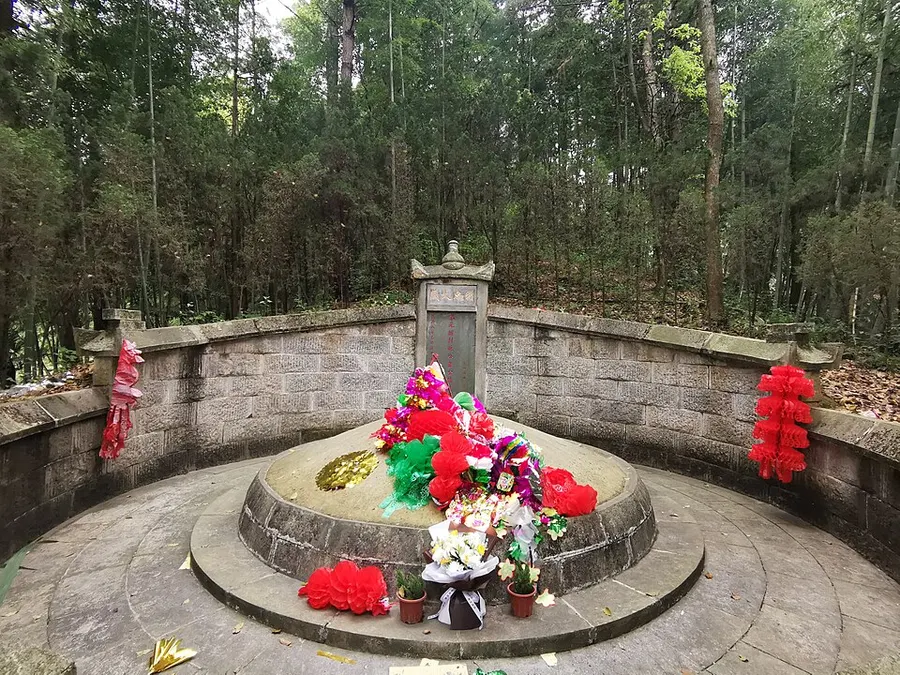
He lived abroad from 1949, including periods in Argentina, Brazil and the United States, before settling in Taipei in 1978, where he died in 1983.
Behind the name
A life in craft leads somewhere you can visit.
The visit layer traces the traditions behind these profiles to the places where the craft is still taught and practised today.
This is a reading link, not a booking. Opening hours, tickets and prices change — check current details with the provider on the visit page.
The Atlas is Living
Every master is a living archive. Join a collective of explorers, artisans, and scholars dedicated to tracing the vibrant pulse of our shared world.