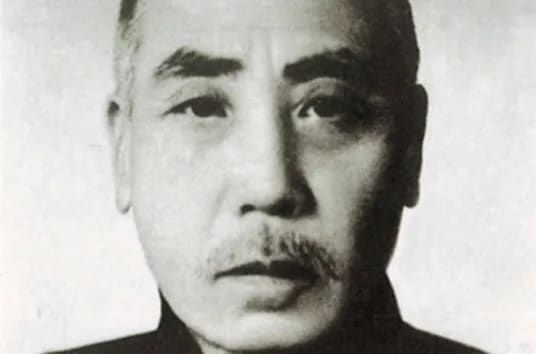
Chen Fake
陈发科
Chen Fake (1887-1957) was the ninth-generation inheritor of Chen-style tai chi from Chenjiagou, Henan. He moved to Beijing in 1928, created a new framework of the form and taught many students, establishing Chen-style tai chi well beyond its home village.
Chen Fake (1887-1957), from Chenjiagou, Wen county, Henan, was the ninth-generation inheritor of Chen-style tai chi. He moved to Beijing in 1928, created a new framework of the form and taught a generation of students, establishing Chen-style tai chi beyond its home village.
Heritage DNA
Classification
Master of the Craft
Status
deceased
Year of Birth
1887
Location
Henan Province
Region
Central China
Next Master
Chang Xiangyu
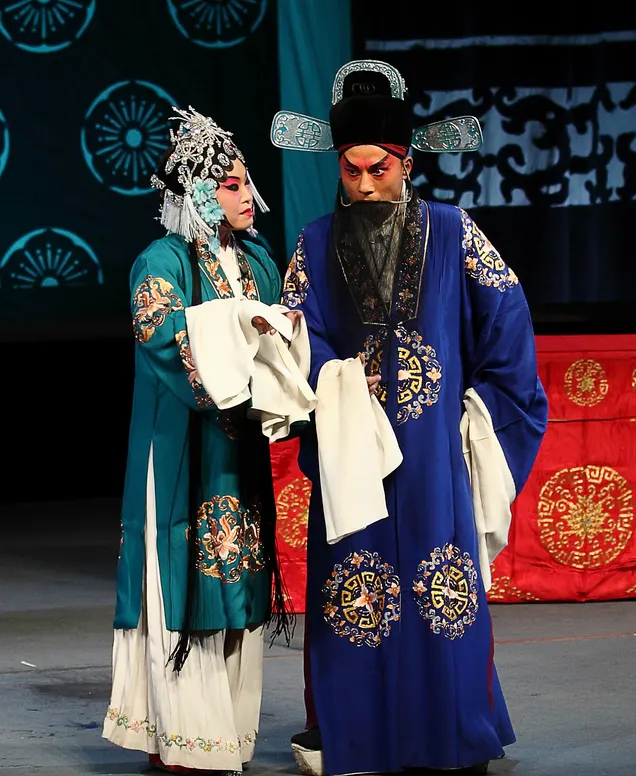
常香玉
See the Craft in Motion
The Cultural Network
Heritage is not a static artifact; it is a living web. These connections trace how a practice travels between people, places and crafts, and how Chen's work sits within a wider tradition.
Domains of Mastery
Territories of Heritage
Geography shapes identity. Journey through the historical corridors that defined a civilization, from the arid Silk Road to the lush Tea Horse Road.
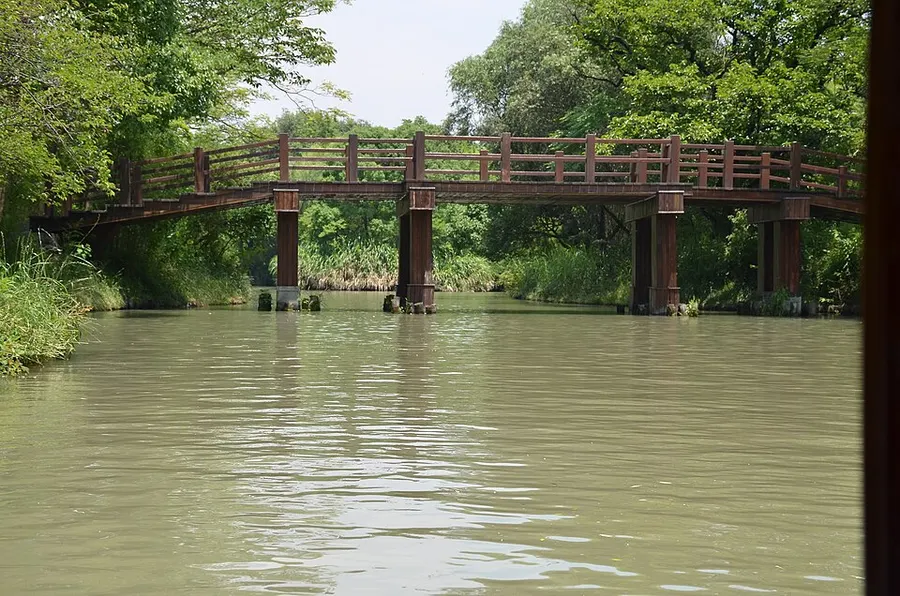
Henan Province
Central China
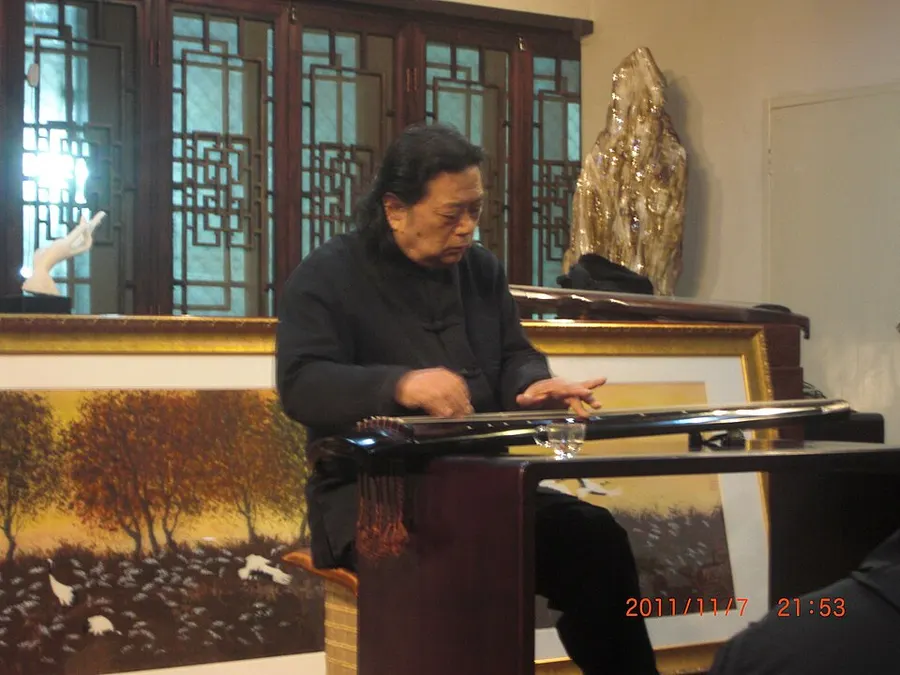
Masters of the Tradition
The true archive of heritage is found in the hands and minds of those who refuse to let the fire die out.
History & Development
Chen Fake was born in 1887 in Chenjiagou, Wen county, Henan, into the seventeenth generation of the Chen family. He learned the family art from his father Chen Yanxi. Though sickly as a child, he trained steadily and became a leading exponent of Chen-style tai chi.
In 1928 he accepted an invitation from his nephew Chen Zhaopi and went to Beijing to teach. There he developed an 83-move new framework, or xinjia, with an emphasis on close-range techniques such as cai, lie, zhou and kao. His teaching and public demonstrations won the Beijing martial arts community over, and Chen-style tai chi ceased to be confined to Chenjiagou.
He taught more than twenty noted students, including Gu Liuxin, Hong Junsheng, Tian Xiuchen, Lei Muni, Feng Zhiqiang and Li Jingwu, and passed the family art to his sons Chen Zhaoxu and Chen Zhaokui. He died in Beijing in 1957. The broader art form is described on our Tai Chi page.
Chen Fake at a Glance
Core facts from the Baidu Baike biographical entry and tai chi historical records.
| Detail | Record |
|---|---|
| Born - died | 1887 - 1957 |
| Birthplace | Chenjiagou, Wen county, Henan |
| Field | Chen-style tai chi |
| Lineage | Seventeenth generation of the Chen family; ninth-generation style inheritor |
| Move to Beijing | 1928, at the invitation of his nephew Chen Zhaopi |
| Innovation | Created an 83-move new framework (xinjia) |
| Students | Gu Liuxin, Hong Junsheng, Tian Xiuchen, Lei Muni, Feng Zhiqiang, Li Jingwu |
| Honour | Called "the foremost tai chi figure" by contemporaries |
Cultural Traditions
-
From Village to Capital
Chen moved from Chenjiagou to Beijing in 1928. His arrival marked the point at which Chen-style tai chi began to spread nationally rather than remain a family tradition.
-
A New Framework
He created an 83-move new form with an emphasis on close-quarters methods. It sits alongside the older routines preserved in Chenjiagou.
-
Teaching by Demonstration
Contemporary accounts describe him winning over the Beijing martial arts community through direct demonstrations of the art rather than through claims alone.
-
A Broad Student Body
More than twenty of his students became noted teachers, and his sons continued the family line, extending the reach of Chen-style teaching.
Common Questions
Who was Chen Fake?
Chen Fake (1887-1957) was a ninth-generation inheritor of Chen-style tai chi from Chenjiagou, Henan, who brought the art to Beijing and created a new 83-move framework of the form.
What did Chen Fake do for tai chi?
He took Chen-style tai chi beyond Chenjiagou, taught many students in Beijing and created a new form of the art. His teaching laid the basis for its modern nationwide practice.
What is the difference between Chen and Yang style?
Chen style retains more pronounced bursts of power and close-range techniques, while Yang style, developed from Yang Luchan's teaching, is generally slower and even. Both are described on our Tai Chi page.
Who were Chen Fake's students?
His students included Gu Liuxin, Hong Junsheng, Tian Xiuchen, Lei Muni, Feng Zhiqiang and Li Jingwu. His sons Chen Zhaoxu and Chen Zhaokui also inherited the family teaching.
When did Chen Fake go to Beijing?
He moved to Beijing in 1928 at the invitation of his nephew Chen Zhaopi and taught there until his death in 1957.
Behind the name
A life in craft leads somewhere you can visit.
The visit layer traces the traditions behind these profiles to the places where the craft is still taught and practised today.
This is a reading link, not a booking. Opening hours, tickets and prices change — check current details with the provider on the visit page.
The Atlas is Living
Every master is a living archive. Join a collective of explorers, artisans, and scholars dedicated to tracing the vibrant pulse of our shared world.